Mumbai's Redevelopment Push Faces 'Scary' Feasibility Check Amid High Demand
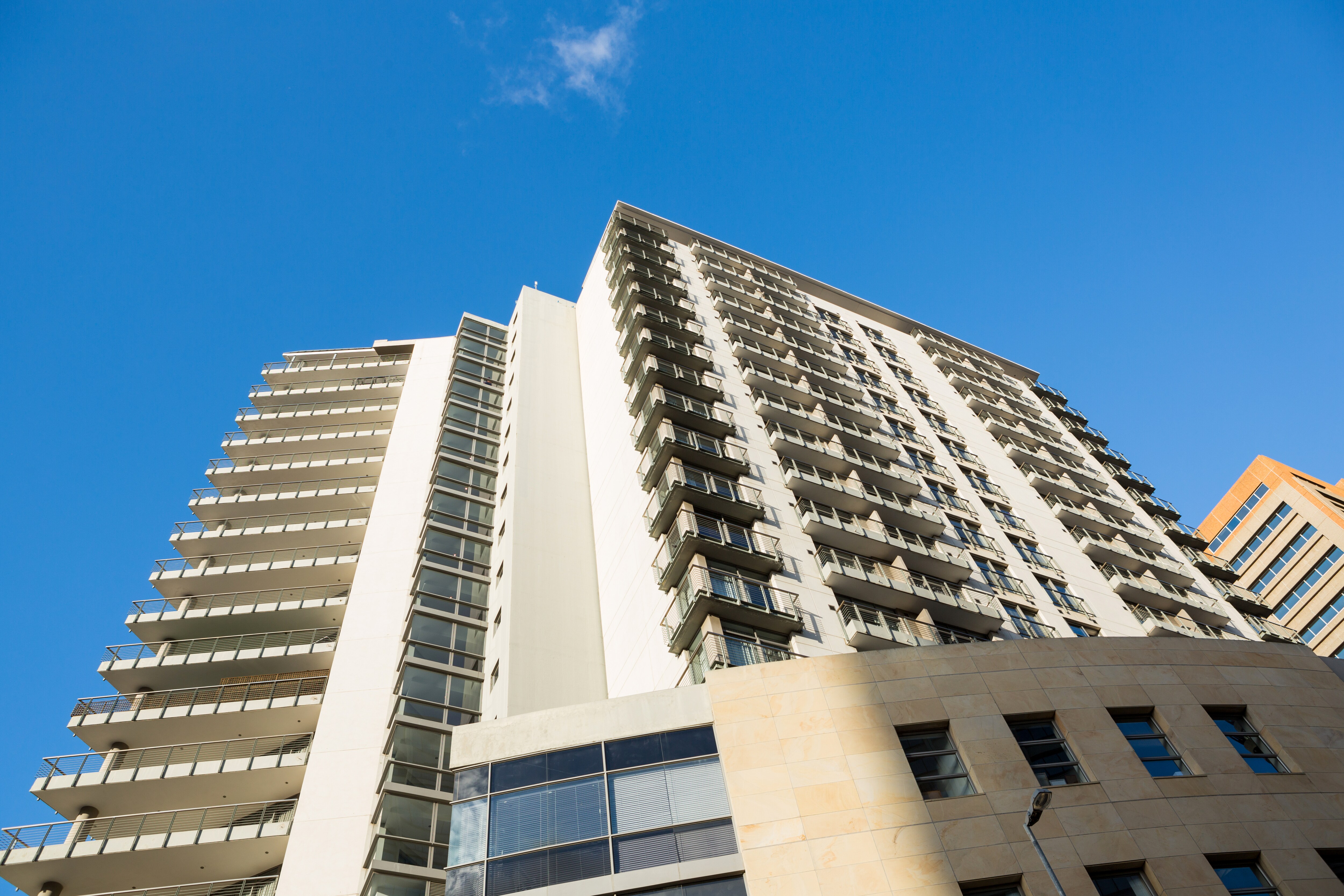
While redevelopment is not new for Mumbai, the number of societies opting for redevelopment is likely to hit a fresh high in 2025, according to commercial and residential property consultant Knight Frank. Yet, with intensifying competition among builders and the terms of some development agreements, they might not be feasible if the property cycle turns, Knight Frank India's Gulam Zia told NDTV Profit.
With competition heating up among developers and an influx of developers in Mumbai even from other parts of the country, in the future, a lot depends on the feasibility of the developments, he explained.
"Given the number of developers and not as many societies, competition has shot up so much that greed has overtaken both societies and developers are a part of it," said Zia, who is the senior executive director– research, advisory, infrastructure and valuation at the real estate consultancy firm.
The numbers that both parties are seeking for redevelopment "are making these projects a little scary", Zia added.
With overheated market conditions and sharply rising prices, we are at a stage where excessive demands and aggressive offers threaten long-term viability, he said. "Our assessment suggests that in markets below Rs 40,000 per sq ft, developers should not share more than 30–35% of the total area with the society."
This may increase to 35–40% where prices range between Rs 40,000 and Rs 60,000 per sq ft, and up to 50% in locations priced over Rs 75,000 per sq ft, according to Knight Frank's analysis.
Beyond these thresholds, cashflows lose flexibility and projects become vulnerable, Zia said, adding that both societies and developers must therefore plan with adequate buffers so that if the cycle tilts downward, there remains enough room for redressal and completion.
According to a report by Knight Frank, by 2030, the current society redevelopment projects in Mumbai region would add a total of 44,277 new homes at the value of Rs 1.3 lakh crore. These society redevelopment projects would not only unlock the residential market potential of the city but would also alter the skyline of Mumbai.
The report notes that an estimated 160,000 societies were over the age of 30 and eligible for redevelopment.
So far, Borivali, Andheri, and Bandra micro-markets emerged as the top three redevelopment hotspots, together contributing over 139 acres of activity. By contrast, Central and South Mumbai recorded just 43 redevelopment agreements, underscoring the challenges of fragmented ownership, legacy tenancies, and higher entry costs.
The report also showed that redevelopment remained concentrated in compact societies. Over 80% of registered agreements since 2020 were for plots below 0.49 acres, highlighting the operational challenges of land aggregation in dense city precincts.

-
Midterm Rally Lasted A Day. The Hard Reality Of A Divided US May Last Two Years | Opinion

Between a contested AI boom, a debt ceiling that arrives in 2027 and a president with every incentive to act alone, the next two years may prove more volatile than the first day's rally suggests.
-
Blue Wave Will Derail the AI Trade but Won't Dismantle the AI Era | Unhedged Position
The Democrats' sweep of the US Congress will see politics collide with economic forces both over the long and short term.
-
It's Time To Take The GST Council's Bet On Trust Global
Payment records can prove India's services exports, and clear, proportionate rules can bring foreign digital sellers into the tax net.
-
Opinion | India at 38: From Innovation Overperformer to Innovation Powerhouse
India now has 453 VC-backed deep science startups, 18 of them late-stage, after 117 percent growth since 2020. Laurus Labs, at USD 9.3 billion, is the most valuable deep science company in any middle-income economy outside China.
-
Navigating Energy Crossroads: S Jaishankar's Call For Diversified Supply Chains At G20 Ministerial Meeting
As geopolitical fault lines continue to test maritime trade routes and commodity flows, Jaishankar's message remains pertinent: true economic resilience requires open markets, protected transit lines, and a genuine commitment to multilateral cooperation rather than coercion.
-
Indians Are Travelling, But Not Every Journey Is A Holiday | The Week In Whys
Pilgrims, patients and working women are the real travellers, and the system hasn't quite caught up with them.
-
Getting To Work Costs Women More | The Reason Why
It is not just about women paying more than men. It is about women paying much more in cities than in villages.
-
AI Bias In Investing Cannot Be Eliminated, But It Can Be Governed
Framing is a particularly important example as identical financial information presented in terms of gains rather than losses can lead an LLM to reach a different assessment.
-
Joining The Dots | Dark Skies, Steady Diya: Why Hope Holds This Diwali
With war, a weak rupee and foreign outflows weighing on sentiment, policymakers at the NDTV World Summit and market veterans at NDTV Profit Ignite: Diwali Edition offered the same advice: stay invested and filter out the noise.









