Police's Power To Search Citizens' Phones: Journalists' Body Raises Privacy Concerns Before Supreme Court
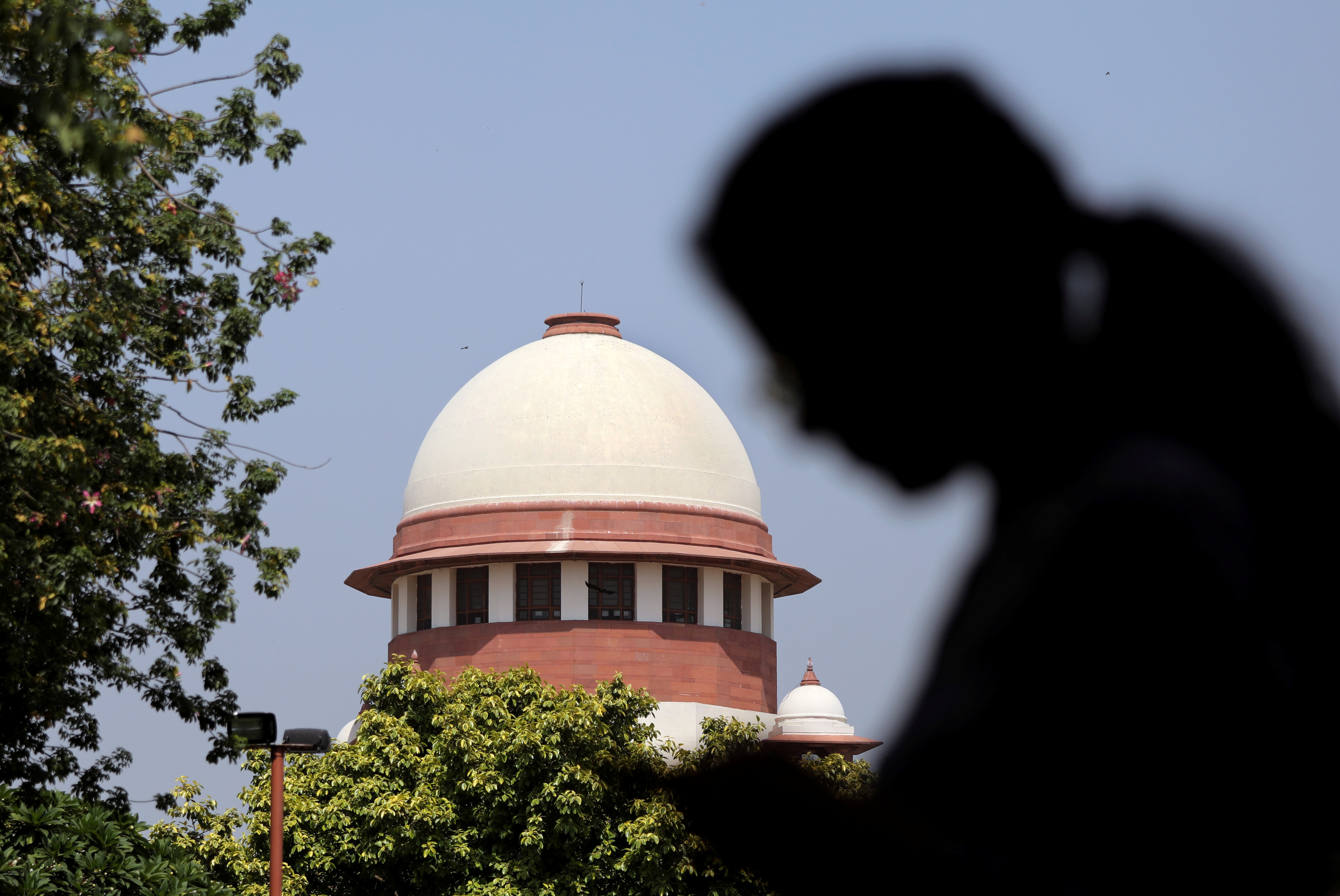
The Supreme Court has agreed to examine 'to what extent phone contents of a citizen, who's being probed or searched by the police, are protected under right to privacy'. The apex court bench of Justices KM Joseph and Hrishikesh Roy issued notice to the government on Tuesday on a petition filed by journalists' body, Foundation of Media Professionals.
"We are very excited by this development and hope that the misuse of police powers to violate the privacy of individuals at the time of search and seizure of electronic devices can end,'' advocate Vrinda Bhandari, who is representing the petitioners, told BQ Prime.
The petition raises several concerns regarding the powers of enforcement agencies during investigations to compel an individual to share passwords of personal devices without prior judicial scrutiny. BQ Prime has reviewed a copy of the petition, which has asked the apex court to lay down guidelines on production, search and seizure of contents of digital devices.
Specifically, it has asked the court to examine:
Whether existing laws that cover search of places and production of documents shall also apply to information contained in digital devices.
If law enforcement agencies can demand passwords and complete information on personal devices, assuming the current search and seizure rules allow access to digital devices.
Under what circumstances can the searches be permitted without a warrant, and in what situations such a warrant must be permitted.
The extent of cooperation that can be sought from a person during search of a digital device- would different standards apply to the 'accused' versus other persons?
How the information accessed by police will be processed and regulated without leading to any breaches of the right to privacy.
The journalists' body has requested the court to make it mandatory for law enforcement officers to attain a warrant issued by a magistrate before accessing contents of a citizen's personal device.
It has also pointed to news reports from Hyderabad and Bengaluru detailing instances of police officers stopping citizens on the road, and checking their phones. The absence of clarity on the legal position is one of the reasons behind such incidents, says the petition, adding that it's even more worrisome for journalists whose devices have confidential information about others as well. “Journalists are necessarily reliant on such devices to be able to freely and effectively practice their profession”.
Finally, the petition also requests the apex court to declare that the constitutional provision which protects a citizen from testifying against oneself, also applies to a citizen not keen to share contents of his electronic devices.
The Supreme Court's written order is yet to be made public.

-
It's Time To Take The GST Council's Bet On Trust Global

Payment records can prove India's services exports, and clear, proportionate rules can bring foreign digital sellers into the tax net.
-
Opinion | India at 38: From Innovation Overperformer to Innovation Powerhouse
India now has 453 VC-backed deep science startups, 18 of them late-stage, after 117 percent growth since 2020. Laurus Labs, at USD 9.3 billion, is the most valuable deep science company in any middle-income economy outside China.
-
Navigating Energy Crossroads: S Jaishankar's Call For Diversified Supply Chains At G20 Ministerial Meeting
As geopolitical fault lines continue to test maritime trade routes and commodity flows, Jaishankar's message remains pertinent: true economic resilience requires open markets, protected transit lines, and a genuine commitment to multilateral cooperation rather than coercion.
-
Indians Are Travelling, But Not Every Journey Is A Holiday | The Week In Whys
Pilgrims, patients and working women are the real travellers, and the system hasn't quite caught up with them.
-
Getting To Work Costs Women More | The Reason Why
It is not just about women paying more than men. It is about women paying much more in cities than in villages.
-
AI Bias In Investing Cannot Be Eliminated, But It Can Be Governed
Framing is a particularly important example as identical financial information presented in terms of gains rather than losses can lead an LLM to reach a different assessment.
-
Joining The Dots | Dark Skies, Steady Diya: Why Hope Holds This Diwali
With war, a weak rupee and foreign outflows weighing on sentiment, policymakers at the NDTV World Summit and market veterans at NDTV Profit Ignite: Diwali Edition offered the same advice: stay invested and filter out the noise.
-
The Curious Case of Equitas Small Finance Bank And A CEO Who Quit For Stock
PN Vasudevan believes persistent investor concerns over a perceived conflict of interest had become a governance overhang on Equitas Small Finance Bank's stock, even as the lender improved profitability and asset quality.
-
Talking Points This Week: AI Cash Burn, A Tiger Comeback And An India That Still Finds Its Own Path
India is not immune to higher oil or tighter global liquidity, yet its earnings base is broader, its domestic policy levers are still available.










