IBC Revisions To Enhance Efficiency Of Resolution Process
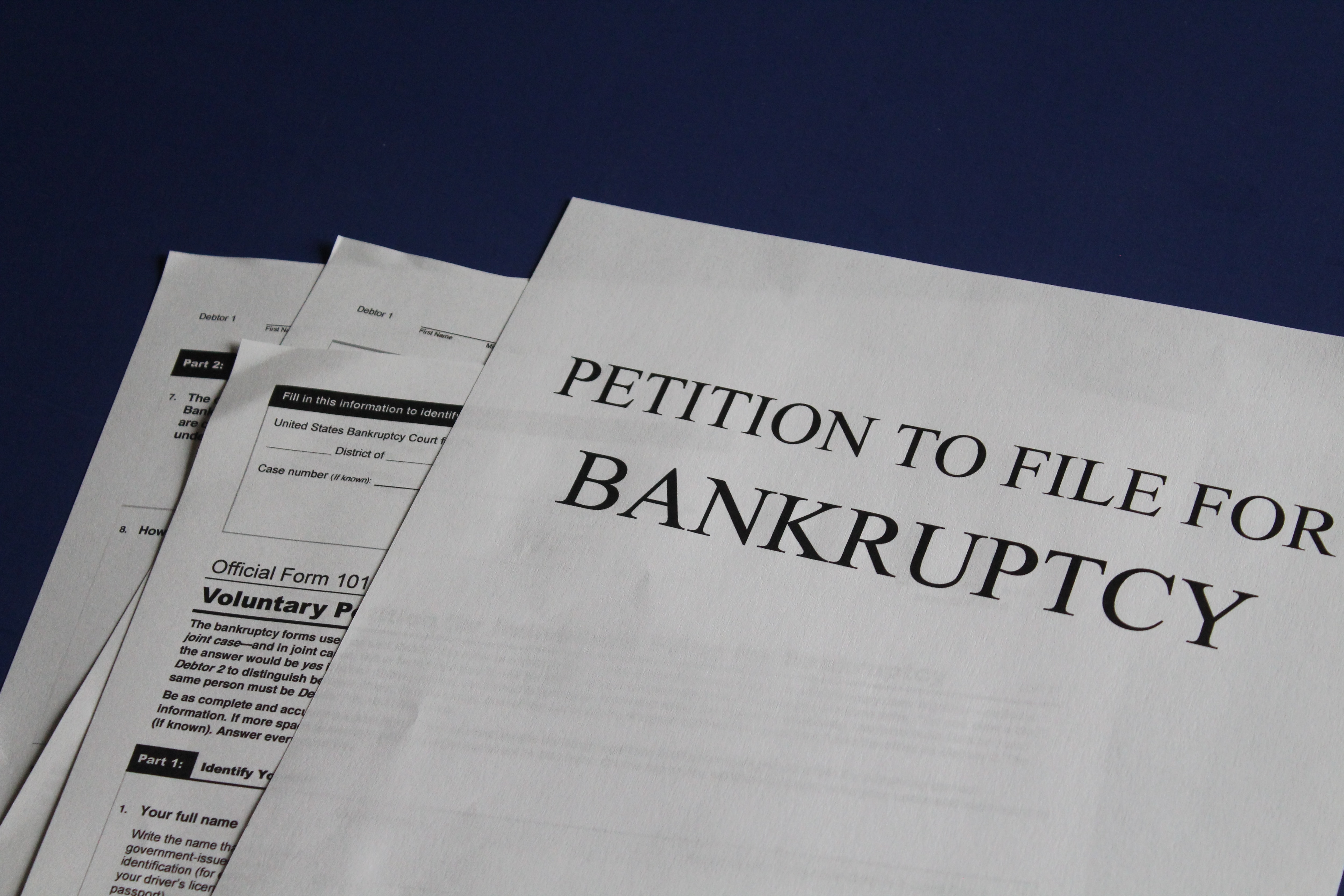
In a bid to ensure a more structured resolution process under the IBC, the Insolvency and Bankruptcy Board of India has brought in amendments detailing the duties and responsibilities of stakeholders involved in the process.
The new changes aim to fix procedural inefficiencies in the resolution process. The changes range from expanding the duties of an authorised representative towards its creditors to requiring additional information to be furnished while filing an insolvency application.
A Glimmer Of Hope
To facilitate homebuyers as a class of creditors, the amendments enhance the duties of an authorised representative to provide assistance to the creditors in evaluating the resolution plan, to regularly update the creditors in a class on the progress of the Corporate Insolvency Resolution Process, and to assist in modifications of the resolution plan on behalf of the class of creditors represented by the representative.
The duties have been increased so that the difficulties faced by creditors-in-class (usually homebuyers or small individual creditors) in participation, understanding and decision-making during CIRP are suitably addressed, Misha, partner at Shardul Amarchand Mangaldas, told BQ Prime.
This is a welcome change and it will help lay persons participate effectively in the process, Misha said.
According to Soumitra Majumdar, partner at JSA, unintended information asymmetry between the smaller creditors—forming part of the class of creditors and represented by an Authorised Representative—and the institutional members of the CoC can prove to be prejudicial for all stakeholders. This change should remedy this, said Majumdar.
Increasing Efficiency At The Pre-Admission Stage
To help in expeditious disposal of cases, the amendments specify submitting details of the chronology of debt, default and limitation along with other evidence at the stage of filing an insolvency application. This will ensure that the requisite details are available to the tribunal in a comprehensive manner and help curb delays at the pre-admission stage.
Earlier, the creditors were allowed to file their claims 90 days from the insolvency commencement date. According to the amendments, a creditor will now be allowed to file claims up to the date of the issue of a request for resolution plan or 90 days from the insolvency commencement date, whichever is later.
As per current practice, the Resolution Professionals usually reject belated claims and such claimants are then constrained to approach the tribunal for acceptance of their claims. Some of these litigations remain pending during the pendency of the plan approval application and cause delay in the adjudication, Madhav Kanoria, partner at Cyril Amarchand Mangaldas, told BQ Prime.
The enhanced timeline will ensure that multiple litigations, that are usually filed in many CIRPs, for rejection of belated claims will not be required going forward, Kanoria said.
Lastly, the changes allow the committee members to have a corporate debtor audited, and the cost of this audit will be added to the cost of the CIRP. Previously, the committee members had a right to get a forensic audit done, but at their own expense.
The provision is intended to enable better asset discovery and financial diligence by the CoC, Majumdar said.
Misha said that the audit provision now introduced appears to be for a larger purpose and will certainly enhance the transparency of the resolution process.

-
Unhedged Position: Can India See An Indonesia-Style Time Correction?

The Nifty is trading below levels it first clocked in 2024. Is there, then, as I have suggested in the headline, potential that the current time correction drags on painfully for the next three-five, even ten years?
-
Navigating Friction And Energy Realities: An Analysis Of Marco Rubio's October Visit To India
Occurring at a critical juncture marked by stalled trade negotiations and escalating geopolitical pressures over global energy supplies, the visit offers a profound window into modern US-India relations.
-
India Exports Capital. Why Not Export Trusteeship?
The big question, then, is whether India can build an institution that global borrowers, investors, banks, and lawyers can trust, even without an Indian connection.
-
France's Economy & Politics Are In Crisis | The Reason Why
Let's look at how the French economy and politics evolved under Nicolas Sarkozy, Franois Hollande and Emmanuel Macron.
-
You May Inherit The Business. You Must Earn Its Credibility.
Succession tests the founder's ability to share authority as much as it tests the next generation's readiness to assume it.
-
Signing Deals Is One Thing; Making Them Work Is Another | The Week In Whys
Sometimes, things don't turn out as planned. Indian companies have lost some bids to rivals, some projects won't produce until 2030.
-
FOMC Wall, PERM Suspension, Hospital Stocks | Talking Points This Week
A PERM suspension would directly affect green-card sponsorship rather than H-1B visas, so the near-term earnings impact could remain relatively limited. The key question is whether this marks a new phase in US scrutiny of Indian IT.
-
Everything, Everywhere, All At Once: Dalal Street's Week To Forget | Joining The Dots
Visa curbs, a Starlink spat and cancer drug caps: what connects this week's shocks for Indian markets
-
India Is Going Abroad For Critical Minerals. But It May Take Years To Pay Off | The Reason Why
Although India's steps are in the right direction, they remain modest compared with India's growing dependence.
-
When Everyone Has AI, What Gives You An Edge?
India's young workforce is entering an uncertain world of work where powerful AI tools are becoming widely accessible. The advantage will belong to those who combine deep expertise with digital fluency, and the distinctly human capabilities that technology cannot manufacture.









