India’s Plan To Decriminalise Bounced Cheques, Sarfaesi Provisions May Hurt Banks, Clog Courts
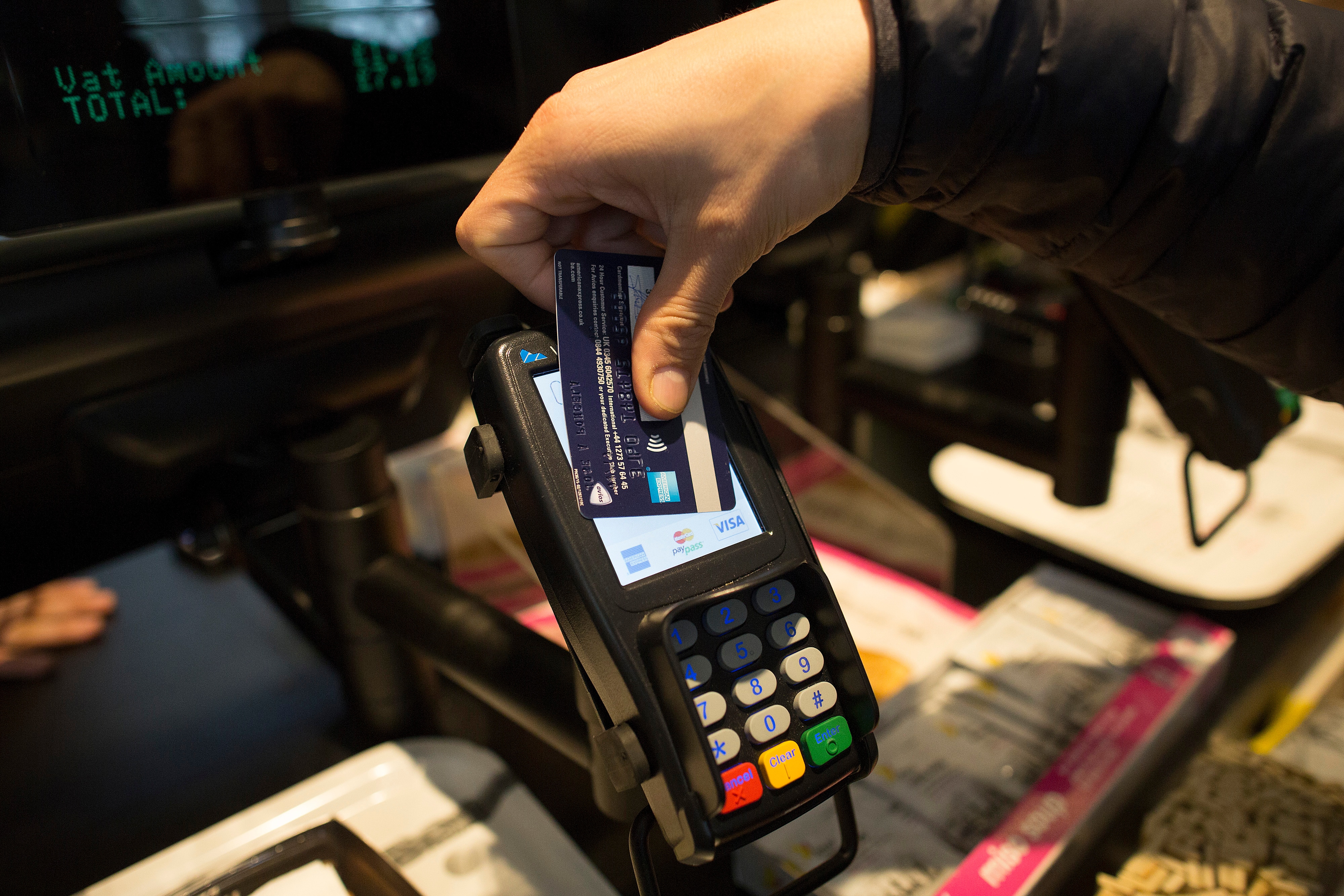
India plans to decriminalise economic offences including bounced cheques and violation of the provisions of a loan recovery law, a move that may come as a blow to lenders and trigger litigation.
The government plans to decriminalise 39 economic offences in 19 acts and reclassify them as civil offences for which it has sought comments from stakeholders, according to a note by Department of Financial Services.
Cheques returned because of inadequate funds in a bank account is an offence under the Negotiable Instruments Act. The law provides for two-year imprisonment and a fine equivalent to twice the amount involved.
It'll be a major blow to banks and suppliers who are owed money as decriminalising this law will affect recovery, said VG Kannan, a former banker. Agreed RK Thakkar, former chairman and managing director of UCO Bank, who said decriminalising section 138 of the act will affect recovery of banks as well as that of other creditors or suppliers.
Kannan said the section was criminalised to deter borrowers or persons from issuing false cheques. This will now clog civil courts and cases will take years to resolve, he said.
According to Sumit Batra, partner at law firm India Law Alliance, the intent of the law is to create fear of being booked for failing to pay contractual obligation. “If such offences are decriminalised, it will give a free hand to such persons to defer making payments at their own whims and fancies,” he told BloombergQuint.
India Today first reported on the government's plan to decriminalise the economic offences.
The government is also seeking to decriminalise contravention of Section 29 of the Sarfaesi Act. This provides for an imprisonment and penalty for offenders, and gives banks the powers to recover dues from a defaulting borrower by selling properties offered as a collateral.
Batra said making this a civil offence would force creditors to wait longer to recover their legitimate dues.
Kannan, however, said if the Sarfaesi Act is to be decriminalised, the government must make debt recovery tribunals efficient to help them resolve cases in a time-bound manner. “Until courts are made more efficient, the purpose of decriminalising will be defeated, and hurt the banking system.”
Other Offences
The government as its post Covid-19 response strategy is seeking to decriminalise several economic offences to “help revive economic growth, and restore trust in doing business”.
Changes have been proposed to Insurance Act, PFRDA Act, RBI Act, Payment and Settlement Systems Act, Nabard Act, Banning of Unregulated Deposit Schemes Act, Chit Funds Act, among others.
Some of these offences include holding a violent demonstration that prevents normal functioning of a bank or undermines the confidence of depositors, which according to section 36 AD of Banking Regulation Act, attracts a jail term of six months and a Rs 1,000 penalty.
Reclassifying offences should be done with an objective to reduce the burden on businesses and inspire confidence among investors, focus on economic growth, public interest and national security should remain paramount, the department note said. At the same time, it's important to evaluate nature of fraud as compared to negligence, and habitual nature of non-compliance, it said.
“Businesses shouldn't be under threat of criminal sanction,” Badri Narayanan, partner at Laxmikumaran & Sridharan, said, adding that inadvertent mistakes have led to grave consequences in the past. The government, he said, must encourage voluntary compliance to increase awareness.

-
High US Salaries, No Green Card Certainty: The Financial Calculation Facing Indian H-1B Families

The suspension of PERM processing at eight technology employers does not cancel existing H-1B visas. What it does is force a question many Indian families have been avoiding: is the US salary worth tying your career and family plans to one employer?
-
Unhedged Position: Can India See An Indonesia-Style Time Correction?
The Nifty is trading below levels it first clocked in 2024. Is there, then, as I have suggested in the headline, potential that the current time correction drags on painfully for the next three-five, even ten years?
-
Navigating Friction And Energy Realities: An Analysis Of Marco Rubio's October Visit To India
Occurring at a critical juncture marked by stalled trade negotiations and escalating geopolitical pressures over global energy supplies, the visit offers a profound window into modern US-India relations.
-
India Exports Capital. Why Not Export Trusteeship?
The big question, then, is whether India can build an institution that global borrowers, investors, banks, and lawyers can trust, even without an Indian connection.
-
France's Economy & Politics Are In Crisis | The Reason Why
Let's look at how the French economy and politics evolved under Nicolas Sarkozy, Franois Hollande and Emmanuel Macron.
-
You May Inherit The Business. You Must Earn Its Credibility.
Succession tests the founder's ability to share authority as much as it tests the next generation's readiness to assume it.
-
Signing Deals Is One Thing; Making Them Work Is Another | The Week In Whys
Sometimes, things don't turn out as planned. Indian companies have lost some bids to rivals, some projects won't produce until 2030.
-
FOMC Wall, PERM Suspension, Hospital Stocks | Talking Points This Week
A PERM suspension would directly affect green-card sponsorship rather than H-1B visas, so the near-term earnings impact could remain relatively limited. The key question is whether this marks a new phase in US scrutiny of Indian IT.
-
Everything, Everywhere, All At Once: Dalal Street's Week To Forget | Joining The Dots
Visa curbs, a Starlink spat and cancer drug caps: what connects this week's shocks for Indian markets
-
India Is Going Abroad For Critical Minerals. But It May Take Years To Pay Off | The Reason Why
Although India's steps are in the right direction, they remain modest compared with India's growing dependence.









