Xi Planning to Skip G-20 Summit While China-India Tensions Mount
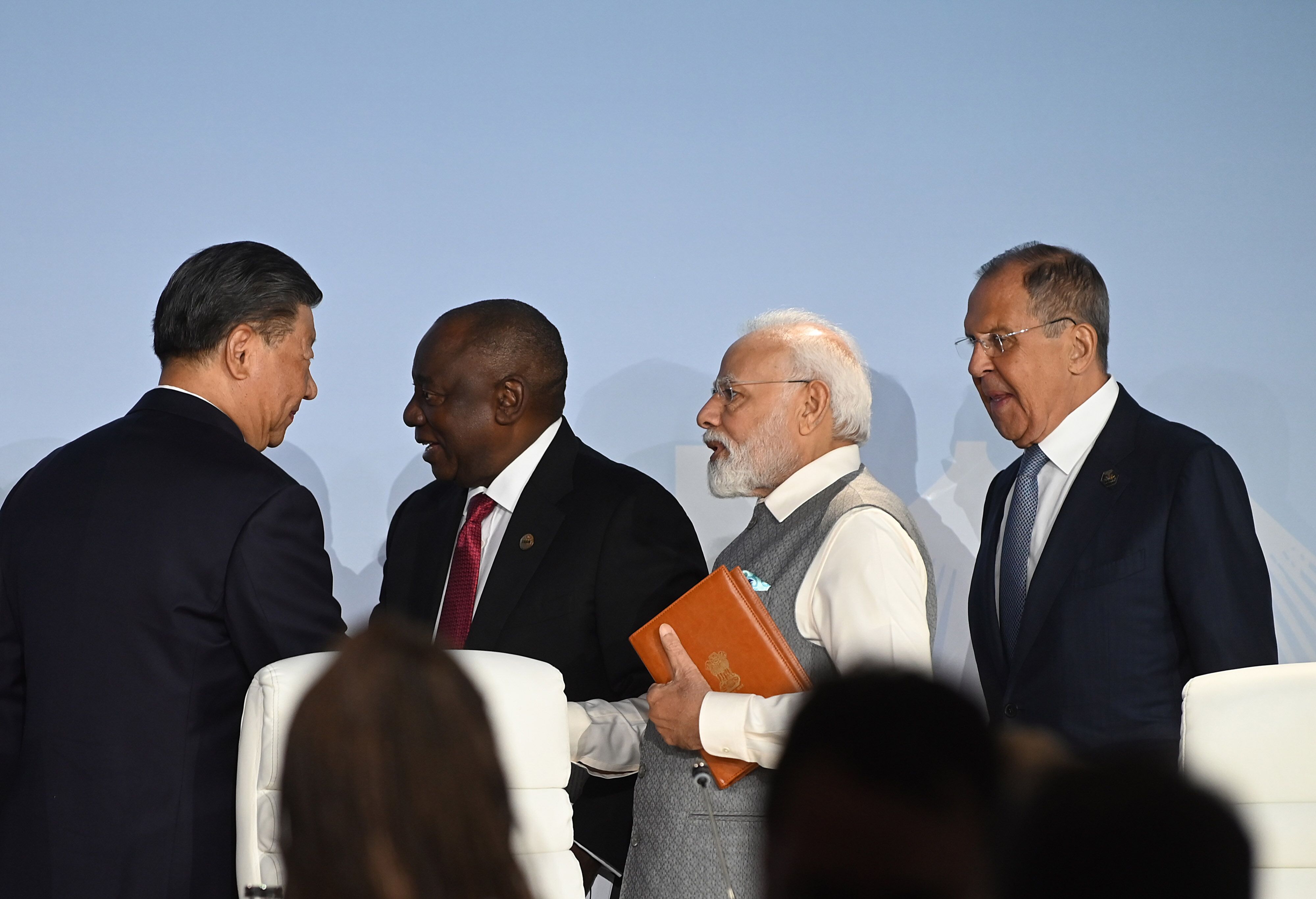
(Bloomberg) -- Chinese President Xi Jinping is planning to skip next week's Group of 20 summit in New Delhi, according to officials familiar with preparations for the meeting, a snub that's likely to aggravate an already rocky relationship with India.
Tensions between China and India — the world's two most populous countries — already threaten to prevent G-20 leaders from issuing a joint communique for the first time since the forum was created in 1999, according to separate people familiar with the situation. Xi's non-attendance would be a further blow for the host, Prime Minister Narendra Modi.

See: The China-India Border Dispute Bedeviling Ties: QuickTake
Xi is not intending to travel to the Indian capital for the summit, diplomats from several countries involved in the planning said. Chinese Premier Li Qiang will attend in his place, according to one of the people, while a second said it would be another yet-to-be-named government official. All asked not to be named discussing internal deliberations.
Chinese Foreign Ministry spokesman Wang Wenbin said Friday at a regular press briefing that Beijing would “release information in due course” on any travel plans for Xi. Wang also said Li would attend an Asean leaders' meeting in Indonesia in the days before the G-20. India's Ministry of External Affairs declined to comment.
US President Joe Biden on Thursday said he wanted Xi to show up. “The answer is: I hope he attends,” Biden said when asked if he expected Xi to travel to India.
As of earlier Thursday, Indian officials said they were still preparing as if Xi would attend in terms of security protocols and other formalities, even although it remained unclear if he would show up. Xi had yet to confirm to the government whether he'd attend, they added. Reuters first reported that the Chinese leader was likely to skip the meeting.
China Questions
His absence would mark the first time Xi has skipped a G-20 summit since taking power, raising more questions about China's global clout as its economy slows. It would also draw a contrast with his attendance last week at the BRICS summit in South Africa, where he met with Modi.

Despite their brief encounter then, there are signs of bilateral tensions. In the run-up to the G-20 summit, China has blocked draft proposals on language regarding emerging-market debt and condemning Russia's war on Ukraine, according to the people familiar with the situation. Russian President Vladimir Putin also has no plans to attend the G-20 for the second year running.
Read more: Apple's iPhone Supply Chain Splinters Under US-China Tensions
One of the people said China has been particularly belligerent in opposing Modi's theme for the conference being written in Sanskrit, an ancient language associated with Hinduism.
India and China remain at loggerheads over flashpoints including a border dispute in the Himalayas. India lodged a diplomatic protest with Beijing this week over the publication of an official map that shows China claiming Indian territory in the Himalayas.
In addition to strains between China and India, the people said, differences are also emerging between the US-aligned Group of Seven nations and the wider G-20 over a new commitment of funding for developing countries to meet United Nations-backed targets on everything from hunger and education to clean energy and climate change.
Financing Fudge
A draft version of a G-20 communique circulated before the summit called for an extra $500 billion of financing for countries to achieve the Sustainable Development Goals, according to people familiar with its contents. However, G-7 nations were unlikely to agree to that demand, the people said, potentially fueling a narrative of a deeper split between some of the world's wealthiest countries and emerging markets.
Modi faces perhaps his biggest diplomatic test yet in seeking to smooth over the divisions on a range of issues. Whereas host Indonesia managed an 11th-hour compromise last year on the language over Russia's war, India will likely face a trickier time due to the heightened tensions with China and Modi's push to move closer into the orbit of the US and its allies.
Read more: The Tussle With China for Global Influence Is About to Heat Up
The US has made concerted efforts to woo India, with President Joe Biden hosting Modi at the White House in June, when Secretary of State Antony Blinken hailed the potential of US-Indian cooperation as “boundless.” India has been a prime beneficiary of efforts by western companies including Apple Inc. to diversify its Chinese operations.
In addition to military tensions along their border, China and India are both vying to be the leader of the so-called Global South, which has emerged as a key swing vote as divisions grow starker over global rules espoused by the US and its allies on one hand, and the world view of China and Russia on the other.
Disagreements are typically rife ahead of G-20 summits, and there's still time for a compromise on a concluding statement. The agreement last year in Bali, Indonesia, came together even after other ministerial meetings in the summit's lead-up failed.
(Updates with comment from China's Foreign Ministry.)
More stories like this are available on bloomberg.com
©2023 Bloomberg L.P.

-
Navigating Energy Crossroads: S Jaishankar's Call For Diversified Supply Chains At G20 Ministerial Meeting

As geopolitical fault lines continue to test maritime trade routes and commodity flows, Jaishankar's message remains pertinent: true economic resilience requires open markets, protected transit lines, and a genuine commitment to multilateral cooperation rather than coercion.
-
Indians Are Travelling, But Not Every Journey Is A Holiday | The Week In Whys
Pilgrims, patients and working women are the real travellers, and the system hasn't quite caught up with them.
-
Getting To Work Costs Women More | The Reason Why
It is not just about women paying more than men. It is about women paying much more in cities than in villages.
-
AI Bias In Investing Cannot Be Eliminated, But It Can Be Governed
Framing is a particularly important example as identical financial information presented in terms of gains rather than losses can lead an LLM to reach a different assessment.
-
Joining The Dots | Dark Skies, Steady Diya: Why Hope Holds This Diwali
With war, a weak rupee and foreign outflows weighing on sentiment, policymakers at the NDTV World Summit and market veterans at NDTV Profit Ignite: Diwali Edition offered the same advice: stay invested and filter out the noise.
-
The Curious Case of Equitas Small Finance Bank And A CEO Who Quit For Stock
PN Vasudevan believes persistent investor concerns over a perceived conflict of interest had become a governance overhang on Equitas Small Finance Bank's stock, even as the lender improved profitability and asset quality.
-
Talking Points This Week: AI Cash Burn, A Tiger Comeback And An India That Still Finds Its Own Path
India is not immune to higher oil or tighter global liquidity, yet its earnings base is broader, its domestic policy levers are still available.
-
Foreign Investors Own Half Of HDFC Bank and ICICI Bank. An LTCG Cut Could Matter Most Here
Foreign portfolio investors have US$115 billion parked in HDFC Bank, ICICI Bank. If the government cuts long-term capital gains tax, Jefferies says returning foreign money could land here first.
-
'Never Seen This Level Of Negativity': Sandeep Tandon Says The Next Rally May Be Closer Than You Think
Veteran investor Sandeep Tandon says foreign selling is easing, large-caps are due a comeback and mid-caps are crowded, while he turns positive on gold, power and pharma this Diwali.
-
Indians Stay With Family, Not In Hotels | The Reason Why
India still lacks enough clean, reliable and affordable hotels for budget-conscious travellers.










