Why Anil Ambani Has Been Banned From Markets — NDTV Profit Explains
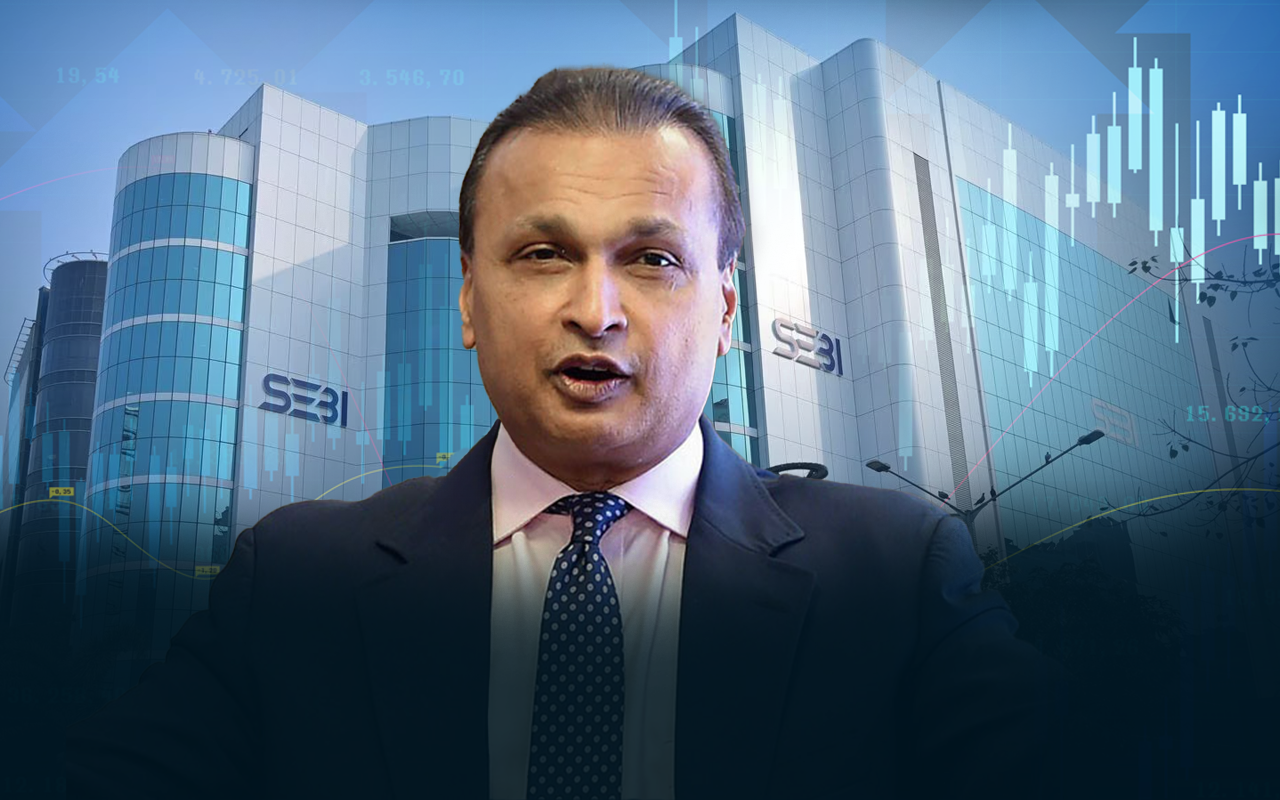
The Securities and Exchange Board of India on Friday imposed a five-year ban on industrialist Anil Ambani and 24 other entities for diversion of funds from Reliance Home Finance Ltd.
In addition to the ban, the SEBI has fined Ambani Rs 25 crore and prohibited him from holding any position in the securities market, including roles as a director or key managerial personnel in listed companies, for the same duration.
The market regulator came out with a 222-page order in the case.
Five Key Reasons Why SEBI Banned Anil Ambani
The SEBI investigation has established the existence of a fraudulent scheme, orchestrated by Anil Ambani and administered by key executives of RHFL, to syphon funds from the publicly listed company by structuring them as 'loans' to credit unworthy conduit borrowers. These entities have been found to be 'promoter-linked entities' with ties to Ambani.
The funds diverted to group companies and related entities amount to Rs 8,800 crore. The loans were given to companies with little to no assets, cash flow, net worth, or revenue. These include firms like Reliance Capital Ltd., Reliance Commercial Finance Ltd., Reliance Power Ltd., and Reliance Infrastructure Ltd.
Most of these borrowers failed to repay loans, leading RHFL to default on its own debt obligations. As a result, the company's public shareholders have been left high and dry.
The market regulator and two forensic audits of PwC, which is the statutory auditor of RHFL, and Grant Thornton, the forensic auditor appointed by Bank of Baroda, which was the lead bank of the consortium of lenders of RHFL, found similar violations.
Strong directives from the RHFL board to stop lending practices were ignored by Anil Ambani, who used his position as chairperson of the Anil Dhirubhai Ambani Group.
Watch | SEBI Ban On Anil Ambani Explained

-
Talking Points This Week: Leadership Shock At Nvidia, Earnings Strength, And The Fog Over Hormuz

The Anthropic IPO pricing and first trading day, Nvidia's upcoming earnings, and any fresh signals from Iran will set the tone for the following week.
-
Signature Play: The Classic Cocktail Is Dead. Or Is It?
Classic cocktails are disappearing from India's cocktail menus. But they're still being ordered, taught to bartenders and borrowed from. So, who's really having the last drink?
-
A New Samvat Wishlist: Inclusive Prosperity And Human Development
India has strengthened its economic foundations through infrastructure, digital access and enterprise. Its next growth chapter must deepen productivity, create better livelihoods and widen participation in prosperity.
-
Love, Sex Aur Dhokha: The Audacious Plot To Spy On Jensen Huang
A Taipei dinner, a Singapore chip buyer and a suspected Chinese asset: inside the alleged spy operation that got close to NVIDIA's Jensen Huang.
-
Ten Things I Learnt This Samvat
Patience can be a trap. Cheap stocks can stay cheap. Leverage can wipe you out. What did Samvat 2082 teach us? Niraj Shah writes on 10 lessons from the year gone by.
-
Talking Points This Week: Tech Nerves, FII Buying, And A Faraway Banking Shock
The global markets are not shining this Diwali. The exception in the large markets is, India.
-
Midterm Rally Lasted A Day. The Hard Reality Of A Divided US May Last Two Years | Opinion
Between a contested AI boom, a debt ceiling that arrives in 2027 and a president with every incentive to act alone, the next two years may prove more volatile than the first day's rally suggests.
-
Blue Wave Will Derail the AI Trade but Won't Dismantle the AI Era | Unhedged Position
The Democrats' sweep of the US Congress will see politics collide with economic forces both over the long and short term.
-
It's Time To Take The GST Council's Bet On Trust Global
Payment records can prove India's services exports, and clear, proportionate rules can bring foreign digital sellers into the tax net.
-
Opinion | India at 38: From Innovation Overperformer to Innovation Powerhouse
India now has 453 VC-backed deep science startups, 18 of them late-stage, after 117 percent growth since 2020. Laurus Labs, at USD 9.3 billion, is the most valuable deep science company in any middle-income economy outside China.









