What Gujarat’s Been Getting Right For 75 Years And Whether There’s Hope For Mumbai
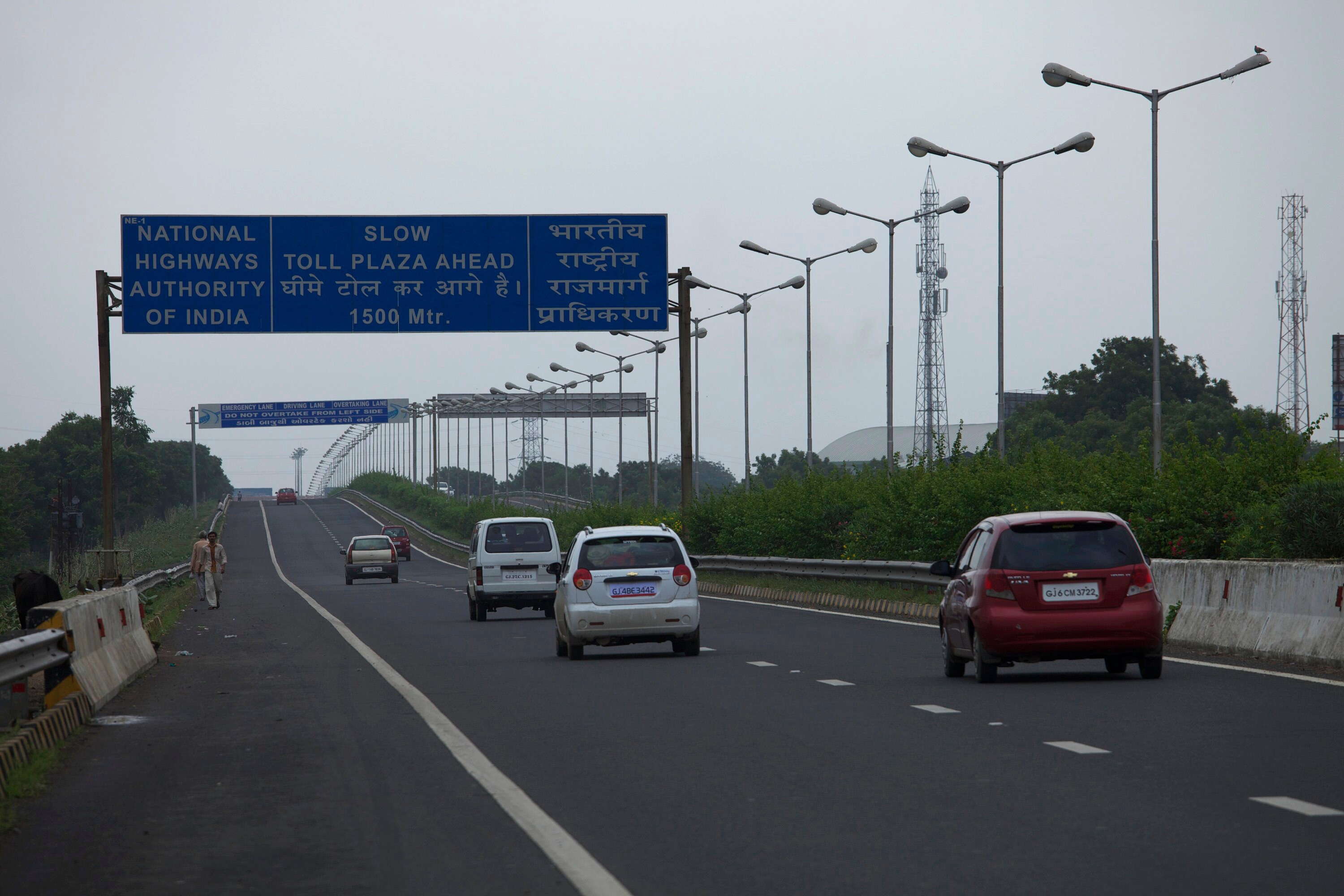
The history of street grids apparently dates back to Hippodamus in the fifth century B.C. The Grecian's legacy is most visible in New York city, that some 2400 years later, in 1811, built a street matrix of 11 avenues and 155 crosstown streets. Even that is now well over 200 years old. And yet it's evergreen, says urban planning expert Bimal Patel in an interview with BloombergQuint, on the sidelines of the IDFC Institute Dialogues, 2017.
When New York was a tiny bit of a town on the tip of Manhattan Island they planned a grid of streets that stretched out miles into the hinterland. And they hung on to that street grid.Bimal Patel, Director, HCP Design, Planning and Management


Patel says, “Every city is like this”.
Well, except most Indian cities.
The lack of adequate urban planning in India is not a problem to be shrugged away. Not with the rapid rise in the urban population. According to the government's most recent Economic Survey, in 1991 there were 220 million Indians living in cities - about a quarter of the country's population. By 2011, that number rose to 380 million, that's one third of the population. Urban Indians produce more than 60 percent of the country's gross domestic product.
The need for better road planning is underscored by the amount of money that will be spent on urban roads over the next 20 years. An expert committee appointed by the Ministry of Urban Development estimates Rs 17 lakh crore will be spent on roads. That's just over 40 percent of the total funds required for the creation of urban infrastructure.
Patel explains what cities need to do to get their streets in order. Here are edited comments from an interview with him.
Basically a lot of India's cities have still to be built. Cities will grow out in the periphery, and in the centre of town and in already built up areas they will get developed. This is the process that happened in Europe and in the United States in the 19th century when they were urbanising and this happens inevitably in every country as it urbanises.
It's a massive challenge, to deal with this process in the effective way, it's almost impossible.
Because you have in the beginning people moving into cities, they have very low incomes. The city's productivity is high but there's just not enough money to solve all the problems that it has. You build infrastructure over a period of time - as cities start creating wealth and that wealth starts getting invested. In that sense it's a very challenging phase for any society.
The important thing is that there are many things if done right at this stage of urbanisation will allow us to reap the benefits of urbanisation.
The key thing is for government to be able to build the common infrastructure that households and firms need to be able to productively build their facilities and work in any city.
Now the real problem with Indian cities, as they go about trying to create an orderly form of urbanisation, is that the planning methods we use are from the command-control mindset of a few decades ago.
What you will see in successful cities is that at an early stage of development they have managed to leave open ‘rights of ways' for transportation and infrastructure provision that can be built upon later.
All Indian cities have plans but those plans are not followed.
Planners create public benefits. And when public benefits are created there are costs. And those costs are imposed unequally or on a few people. And the benefits accrue to other people. This is a recipe for political problems and your plan won't be implemented.
If you have a street and if you tell a guy that I'm going to take your land away (through eminent domain) and compensate you for it, this guy is going to look at his neighbour and wonder why his land needs to be given up. He's going to say, my neighbour's land is going to appreciate in value, my neighbour is going to benefit over a long period of time but I'm being thrown out of the land game. So this guy is now going to try to shift the road onto his neighbour and the neighbour shifts it back and the road will never get built. In a nutshell this is what happens with all proposals that Indian planners make.
Gujarat's planning system has been able to pull this trick off for years. So many Gujarat cities, if you look at their peripheries where the cities are expanding, they are simultaneously creating a grid of streets.

Go to other cities in India and you will see that they are all failing miserably. There's a haphazard sprawl going out into the countryside. So what Gujarat's doing right is something that a lot of other cities can learn from. What Gujarat is doing right has been done right since last 75 years. So it's not new, and at that time it was part of Maharashtra state so it's not even a Gujarati invention . And the Japanese have been doing this since the 19th century. The Germans too used this technique a lot.
The real problem in our country is that the whole discussion about urbanisation deals with new growth and development of big buildings as a zero-sum game.
That's the other part of what we are trying to pull off in Gujarat, where we start talking about the redevelopment of the city so that simultaneously you increase the amount of floor space in the city and the land in the public domain. Planning ought to be achieving this sort of things. Turn it from a zero-sum game to something where everybody can win.
This interview was conducted at the IDFC Institute Dialogues 2017.

-
Navigating Energy Crossroads: S Jaishankar's Call For Diversified Supply Chains At G20 Ministerial Meeting

As geopolitical fault lines continue to test maritime trade routes and commodity flows, Jaishankar's message remains pertinent: true economic resilience requires open markets, protected transit lines, and a genuine commitment to multilateral cooperation rather than coercion.
-
Indians Are Travelling, But Not Every Journey Is A Holiday | The Week In Whys
Pilgrims, patients and working women are the real travellers, and the system hasn't quite caught up with them.
-
Getting To Work Costs Women More | The Reason Why
It is not just about women paying more than men. It is about women paying much more in cities than in villages.
-
AI Bias In Investing Cannot Be Eliminated, But It Can Be Governed
Framing is a particularly important example as identical financial information presented in terms of gains rather than losses can lead an LLM to reach a different assessment.
-
Joining The Dots | Dark Skies, Steady Diya: Why Hope Holds This Diwali
With war, a weak rupee and foreign outflows weighing on sentiment, policymakers at the NDTV World Summit and market veterans at NDTV Profit Ignite: Diwali Edition offered the same advice: stay invested and filter out the noise.
-
The Curious Case of Equitas Small Finance Bank And A CEO Who Quit For Stock
PN Vasudevan believes persistent investor concerns over a perceived conflict of interest had become a governance overhang on Equitas Small Finance Bank's stock, even as the lender improved profitability and asset quality.
-
Talking Points This Week: AI Cash Burn, A Tiger Comeback And An India That Still Finds Its Own Path
India is not immune to higher oil or tighter global liquidity, yet its earnings base is broader, its domestic policy levers are still available.
-
Foreign Investors Own Half Of HDFC Bank and ICICI Bank. An LTCG Cut Could Matter Most Here
Foreign portfolio investors have US$115 billion parked in HDFC Bank, ICICI Bank. If the government cuts long-term capital gains tax, Jefferies says returning foreign money could land here first.
-
'Never Seen This Level Of Negativity': Sandeep Tandon Says The Next Rally May Be Closer Than You Think
Veteran investor Sandeep Tandon says foreign selling is easing, large-caps are due a comeback and mid-caps are crowded, while he turns positive on gold, power and pharma this Diwali.










