Six Charts Explain How Balakot Strikes Helped Boost Modi’s Popularity
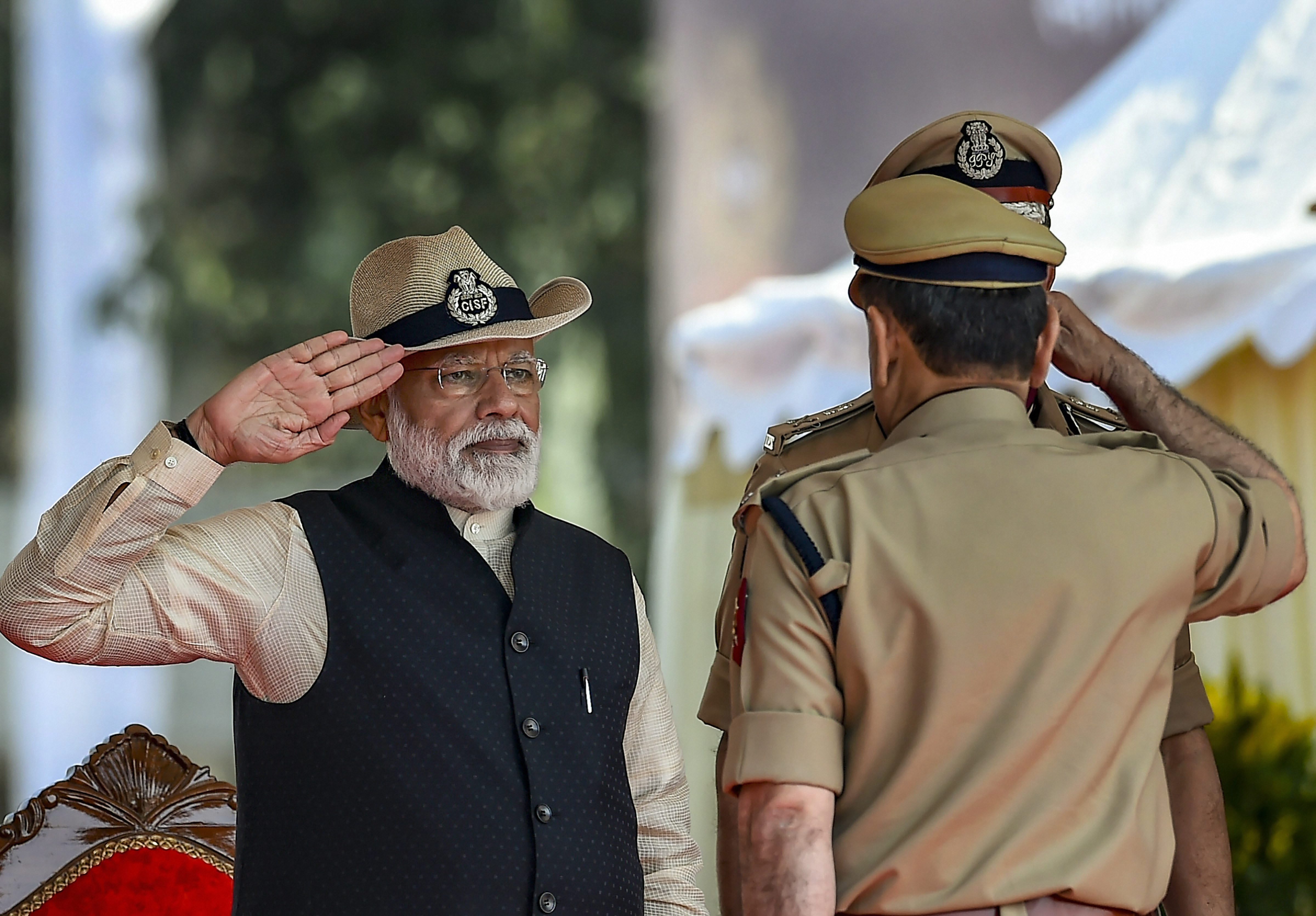
The attack on CRPF jawans in Pulwama and the strikes on terror camps in Balakot, Pakistan that followed have turned national security into a key election issue.
Common wisdom has been that India's anti-terror strikes in Pakistan will impact the upcoming general elections. A recent opinion poll by C-Voter details how large that impact may have been in the 10 weeks from Jan. 1 to March 7.
Net Approval Rating Of NDA Rises

The net approval rating for the Narendra Modi-led government that stood at 32 percent in the beginning of the year rose to 62 percent by March 7. While there was a marginal improvement in approval ratings after the budget, the big uptick came after the Balakot strikes. A similar trend is noticed in the approval ratings for Modi .
Satisfaction With Modi Jumps

Rahul's Approval Ratings Drop
Congress President Rahul Gandhi seems to have lost the momentum gained after wins in three Hindi heartland states of Madhya Pradesh, Chhattisgarh and Rajasthan. His drop in popularity from 23 percent the start of the year to 8 percent by the first week of March is consistent with Modi's rise, according to C-Voter's ‘State of the Nation' poll.

Not Just Balakot Strike, Budget Helped Too
Budget in February helped improve the way voters perceive the incumbent government. While those who believed their standard of living had improved jumped up from nearly 6 percent to 23 percent, net optimism about India improved from about 15 percent to nearly 41 percent. This is despite no significant possibility of change in standards of living in just 10 weeks. Yashwant Deshmukh, managing direct at C-Voter, puts it down to sops for farmers and the middle class in the budget.
There was something for everyone (in the budget). All of a sudden the economic despair was gone and economic optimism went up big time.Yashwant Deshmukh, MD and Chief Editor, C-Voter

National Security Becomes Most-Important Problem
The most telling data point from the C-Voter survey is the question on most important problems facing that respondent face. While 28.5 percent said unemployment was the biggest problem on Jan. 1, the number dropped marginally to 21.8 percent by March 7. But national security, which was chosen as a key issue by just 4 percent jumped to 26 percent, becoming the biggest issue.

Modi Widens Gap After Pulwama, Balakot
While Modi was the frontrunner even before the Balakot strikes, the Prime Minister has widened the gap after the Pulwama attacks and the strikes by the Indian Air Force that followed with a jump in popularity from 47 percent to 62 percent.

Watch the video here

-
Talking Points This Week: Tech Nerves, FII Buying, And A Faraway Banking Shock

The global markets are not shining this Diwali. The exception in the large markets is, India.
-
Midterm Rally Lasted A Day. The Hard Reality Of A Divided US May Last Two Years | Opinion
Between a contested AI boom, a debt ceiling that arrives in 2027 and a president with every incentive to act alone, the next two years may prove more volatile than the first day's rally suggests.
-
Blue Wave Will Derail the AI Trade but Won't Dismantle the AI Era | Unhedged Position
The Democrats' sweep of the US Congress will see politics collide with economic forces both over the long and short term.
-
It's Time To Take The GST Council's Bet On Trust Global
Payment records can prove India's services exports, and clear, proportionate rules can bring foreign digital sellers into the tax net.
-
Opinion | India at 38: From Innovation Overperformer to Innovation Powerhouse
India now has 453 VC-backed deep science startups, 18 of them late-stage, after 117 percent growth since 2020. Laurus Labs, at USD 9.3 billion, is the most valuable deep science company in any middle-income economy outside China.
-
Navigating Energy Crossroads: S Jaishankar's Call For Diversified Supply Chains At G20 Ministerial Meeting
As geopolitical fault lines continue to test maritime trade routes and commodity flows, Jaishankar's message remains pertinent: true economic resilience requires open markets, protected transit lines, and a genuine commitment to multilateral cooperation rather than coercion.
-
Indians Are Travelling, But Not Every Journey Is A Holiday | The Week In Whys
Pilgrims, patients and working women are the real travellers, and the system hasn't quite caught up with them.
-
Getting To Work Costs Women More | The Reason Why
It is not just about women paying more than men. It is about women paying much more in cities than in villages.
-
AI Bias In Investing Cannot Be Eliminated, But It Can Be Governed
Framing is a particularly important example as identical financial information presented in terms of gains rather than losses can lead an LLM to reach a different assessment.