SEBI Disallows Preferential Issue Discount, Exemption From Open Offer
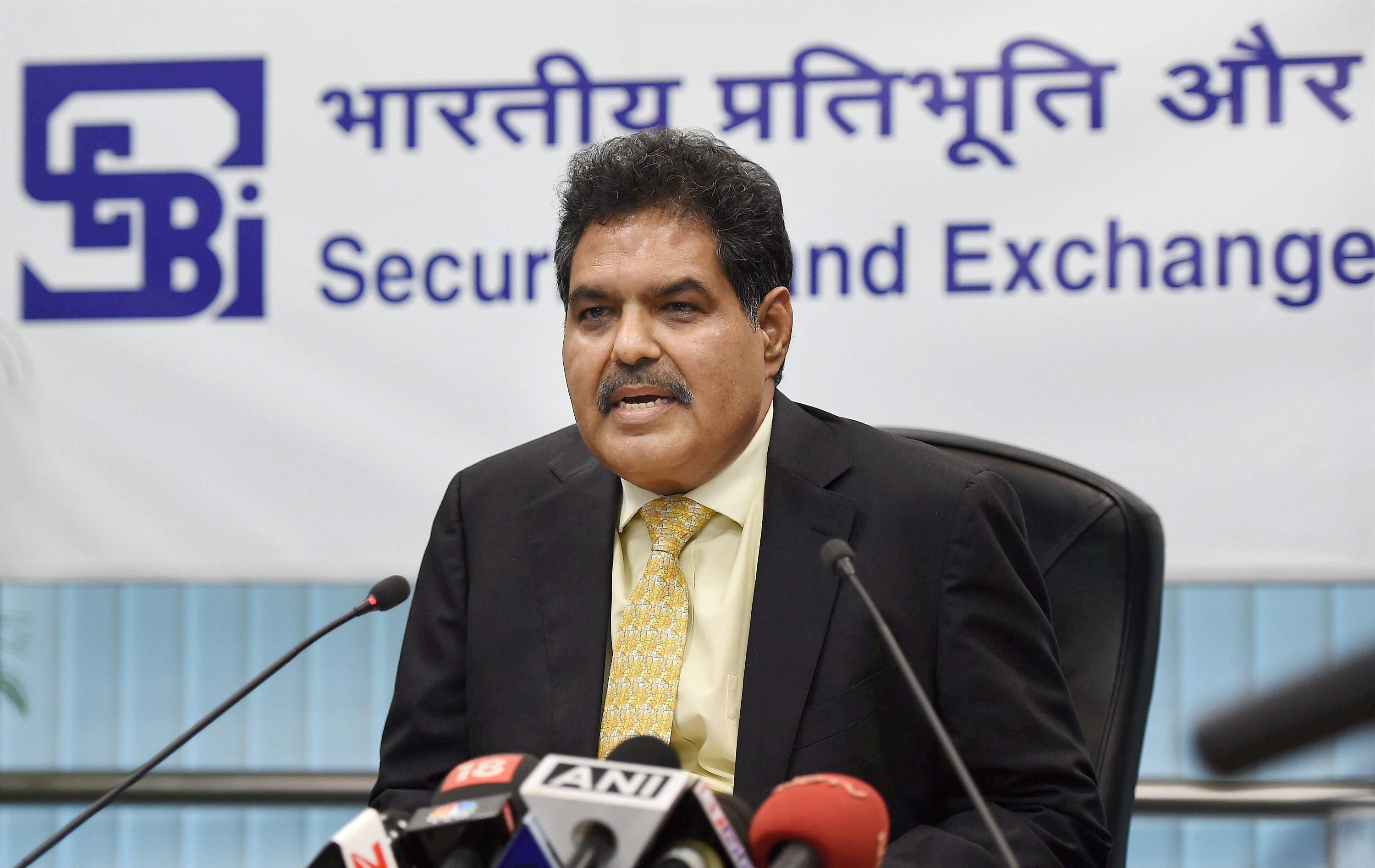
India's market regulator disallowed discounts in preferential issues and exemption from open offer in a stake acquisition for all companies except lenders, a move that may make it tough for Etihad Airways PJSC to infuse funds in struggling Jet Airways (India) Ltd.
The Securities and Exchange Board of India, in its post-budget board meet today, tightened the regulations, according to a statement released by the regulator. The meeting was presided over by Finance Minister Arun Jaitley.
Pricing in a preferential issue during debt restructuring cannot be lower than the SEBI-mandated formula under Issue of Capital and Disclosure Requirements 2018. The regulator also disallowed waiver from the obligation of making an open offer (under Substantial Acquisition of Shares and Takeovers Regulations, 2011) during debt restructuring.
Any investor with more than 25 percent stake in a listed company has to make an open offer to acquire another 26 percent from public shareholders. But an exemption was earlier allowed if approved by a ‘Competent Authority'. SEBI has decided to delete the reference to approval by ‘Competent Authority' in the takeover regulations.
Both the exemptions will still be available to banks and financial institutions, or a resolution plan under the Insolvency and Bankruptcy Code, and any acquisition pursuant to a scheme of arrangement through any court or a tribunal.
The move is expected to impact the ongoing Jet-Etihad debt restricting deal. Though the lenders are allowed to convert debt to equity at Re 1 and take control of the company, Abu Dhabi-based Etihad will not get exemption on pricing in the preferential issue to acquire stake in Jet Airways Ltd. and will also not be exempted from making an open offer if its stake exceeds 25 percent. It currently holds 24 percent, which will fall by half if lenders take control of the company by converting debt to equity.
Interestingly, Ajay Singh had got the exemption when he returned to SpiceJet Ltd. in January 2015 by acquiring the airline for Rs 2 and not making any open offer. Like Jet Airways now, the carrier was battling a financial crunch at the time.
Easier Norms For InVITs, REITs
The regulator also permitted relaxations to the SEBI (Infrastructure Investment Trusts) Regulations, 2014 and SEBI (Real Estate Investment Trusts) Regulations, 2014.
The regulator has reduced the minimum allotment and trading lot for publicly issued InVITs and REITS to 100 units and its multiples. It said each lot will have a minimum value of Rs 1 lakh for InVITs and Rs 50,000 in the case of REITs. After listing, trading will be in multiples of one lot.
Currently, minimum subscription requires an investment of Rs 10 lakh.
Sebi also allowed InVITs to increase their leverage. They can now have debt to the extent of 70 percent of their assets from the earlier 49 percent. This is subject to the InVIT having a AAA credit rating and a minimum track record of six distributions of dividends on a continuous basis in preceding years before the leverage is increased, the regulator said.
Currently, there are two infrastructure investment trusts—India Grid Trust and IRB InVIT—while real estate investment trusts are yet to take off. Blackstone-backed Embassy Office Parks REIT has received SEBI approval to launch REIT issue.

-
Talking Points This Week: Tech Nerves, FII Buying, And A Faraway Banking Shock

The global markets are not shining this Diwali. The exception in the large markets is, India.
-
Midterm Rally Lasted A Day. The Hard Reality Of A Divided US May Last Two Years | Opinion
Between a contested AI boom, a debt ceiling that arrives in 2027 and a president with every incentive to act alone, the next two years may prove more volatile than the first day's rally suggests.
-
Blue Wave Will Derail the AI Trade but Won't Dismantle the AI Era | Unhedged Position
The Democrats' sweep of the US Congress will see politics collide with economic forces both over the long and short term.
-
It's Time To Take The GST Council's Bet On Trust Global
Payment records can prove India's services exports, and clear, proportionate rules can bring foreign digital sellers into the tax net.
-
Opinion | India at 38: From Innovation Overperformer to Innovation Powerhouse
India now has 453 VC-backed deep science startups, 18 of them late-stage, after 117 percent growth since 2020. Laurus Labs, at USD 9.3 billion, is the most valuable deep science company in any middle-income economy outside China.
-
Navigating Energy Crossroads: S Jaishankar's Call For Diversified Supply Chains At G20 Ministerial Meeting
As geopolitical fault lines continue to test maritime trade routes and commodity flows, Jaishankar's message remains pertinent: true economic resilience requires open markets, protected transit lines, and a genuine commitment to multilateral cooperation rather than coercion.
-
Indians Are Travelling, But Not Every Journey Is A Holiday | The Week In Whys
Pilgrims, patients and working women are the real travellers, and the system hasn't quite caught up with them.
-
Getting To Work Costs Women More | The Reason Why
It is not just about women paying more than men. It is about women paying much more in cities than in villages.
-
AI Bias In Investing Cannot Be Eliminated, But It Can Be Governed
Framing is a particularly important example as identical financial information presented in terms of gains rather than losses can lead an LLM to reach a different assessment.









