SAT Lays Down The Company Secretary's Liability In The Deccan Chronicle Case
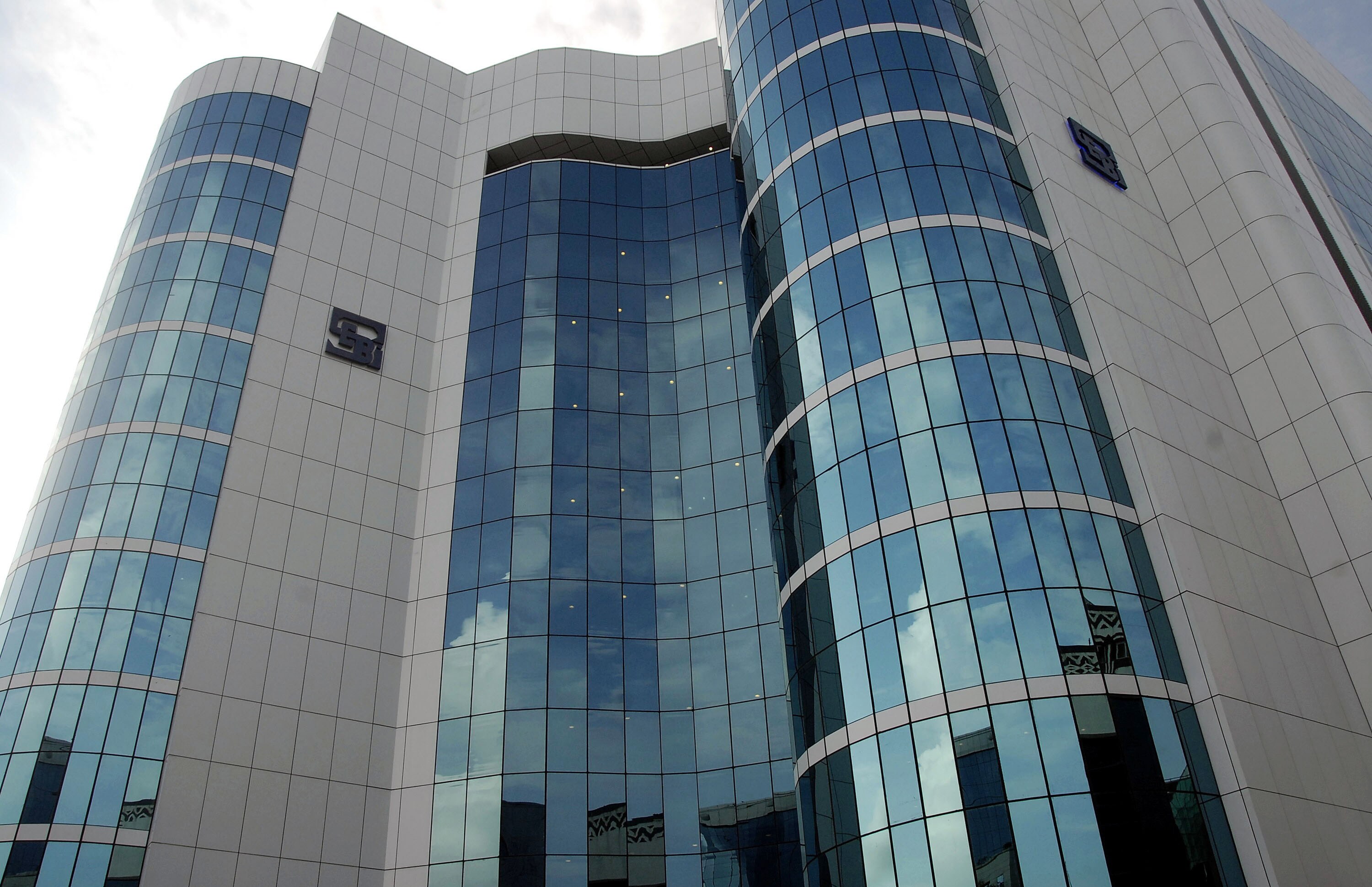
The Securities Appellate Tribunal has held that a company secretary is a compliance officer whose role is limited to redressing investor grievances.
A company secretary cannot be held liable for understatements made in the balance sheet and misleading statements made in the open offer, once the Board of Directors has approved it in the resolution, the appellate tribunal said, while overturning SEBI's order in the Deccan Chronicle Holdings Ltd. case.
According to Shruti Ranjan, a partner at Trilegal, this order does not place the company secretary as an inevitable subordinate to the board in all cases. It rightly looks at his role, as per the specific corporate process in question to then decide his culpability.
Attribution of individual liability is on the increase, so naturally, courts will then be mindful about the facts to determine if hauling up the relevant individual is justified in that case.Shruti Ranjan, Partner, Trilegal
To recap, in March this year, the Securities and Exchange Board of India imposed a Rs 10 lakh penalty on V Shankar, company secretary at DCHL.
The regulator was investigating whether the DCHL promoters and directors had, between October 2011 and December 2012, fraudulently pledged the company's shares without adequate disclosures, carried out buybacks of shares without having adequate free reserves which misled the investors, overstated profits in their annual reports, understated outstanding loans and interest and finance charges, etc.
As part of this investigation, SEBI also brought specific charges against Shankar, pointing out that as a company secretary, he had signed the public announcement for a buyback without exercising due diligence or checking the veracity of the buyback offer.
The regulator concluded that this violated company law provisions and its unfair trade practices regulations.
SAT didn't agree with the regulator's conclusion. SEBI needs to provide a specific finding that the company secretary was himself responsible for the compliance of the buyback offer.
As the appellate tribunal highlighted, he had no role to play except to comply with the resolution made by the Board of Directors who run and manage the company.
A specific finding has to be given that the company secretary was himself responsible for compliances (of a buyback offer), which is missing, coupled with the fact that a clear finding has been given that the directors were solely responsible for the understatement made in the balance sheet and the misleading statements made in the open offer. - SAT Order
The company secretary merely authenticates the balance sheet and profit and loss as approved by the board, said Akila Agarwal, partner at Cyril Amarchand Mangaldas.
This is a ministerial task performed by the company secretary, and it is not the duty of the company secretary to exercise due diligence to verify its contents, which is the role of the board, she said.

-
High US Salaries, No Green Card Certainty: The Financial Calculation Facing Indian H-1B Families

The suspension of PERM processing at eight technology employers does not cancel existing H-1B visas. What it does is force a question many Indian families have been avoiding: is the US salary worth tying your career and family plans to one employer?
-
Swiggy vs Eternal: Food Delivery's Two Rivals Are No Longer In The Same Race
Eternal is building a private AI assistant, dark.ai. Swiggy is still working out how to make Instamart pay, with an operating loss of Rs 895 crore in the July-September quarter while Blinkit stayed profitable.
-
Where You Live Shapes How You Get To Work | The Reason Why
Two-wheelers are the most popular way to get to work in India, accounting for nearly 43% of workplace commutes.
-
Unhedged Position: Can India See An Indonesia-Style Time Correction?
The Nifty is trading below levels it first clocked in 2024. Is there, then, as I have suggested in the headline, potential that the current time correction drags on painfully for the next three-five, even ten years?
-
Navigating Friction And Energy Realities: An Analysis Of Marco Rubio's October Visit To India
Occurring at a critical juncture marked by stalled trade negotiations and escalating geopolitical pressures over global energy supplies, the visit offers a profound window into modern US-India relations.
-
India Exports Capital. Why Not Export Trusteeship?
The big question, then, is whether India can build an institution that global borrowers, investors, banks, and lawyers can trust, even without an Indian connection.
-
France's Economy & Politics Are In Crisis | The Reason Why
Let's look at how the French economy and politics evolved under Nicolas Sarkozy, Franois Hollande and Emmanuel Macron.
-
You May Inherit The Business. You Must Earn Its Credibility.
Succession tests the founder's ability to share authority as much as it tests the next generation's readiness to assume it.
-
Signing Deals Is One Thing; Making Them Work Is Another | The Week In Whys
Sometimes, things don't turn out as planned. Indian companies have lost some bids to rivals, some projects won't produce until 2030.
-
FOMC Wall, PERM Suspension, Hospital Stocks | Talking Points This Week
A PERM suspension would directly affect green-card sponsorship rather than H-1B visas, so the near-term earnings impact could remain relatively limited. The key question is whether this marks a new phase in US scrutiny of Indian IT.









