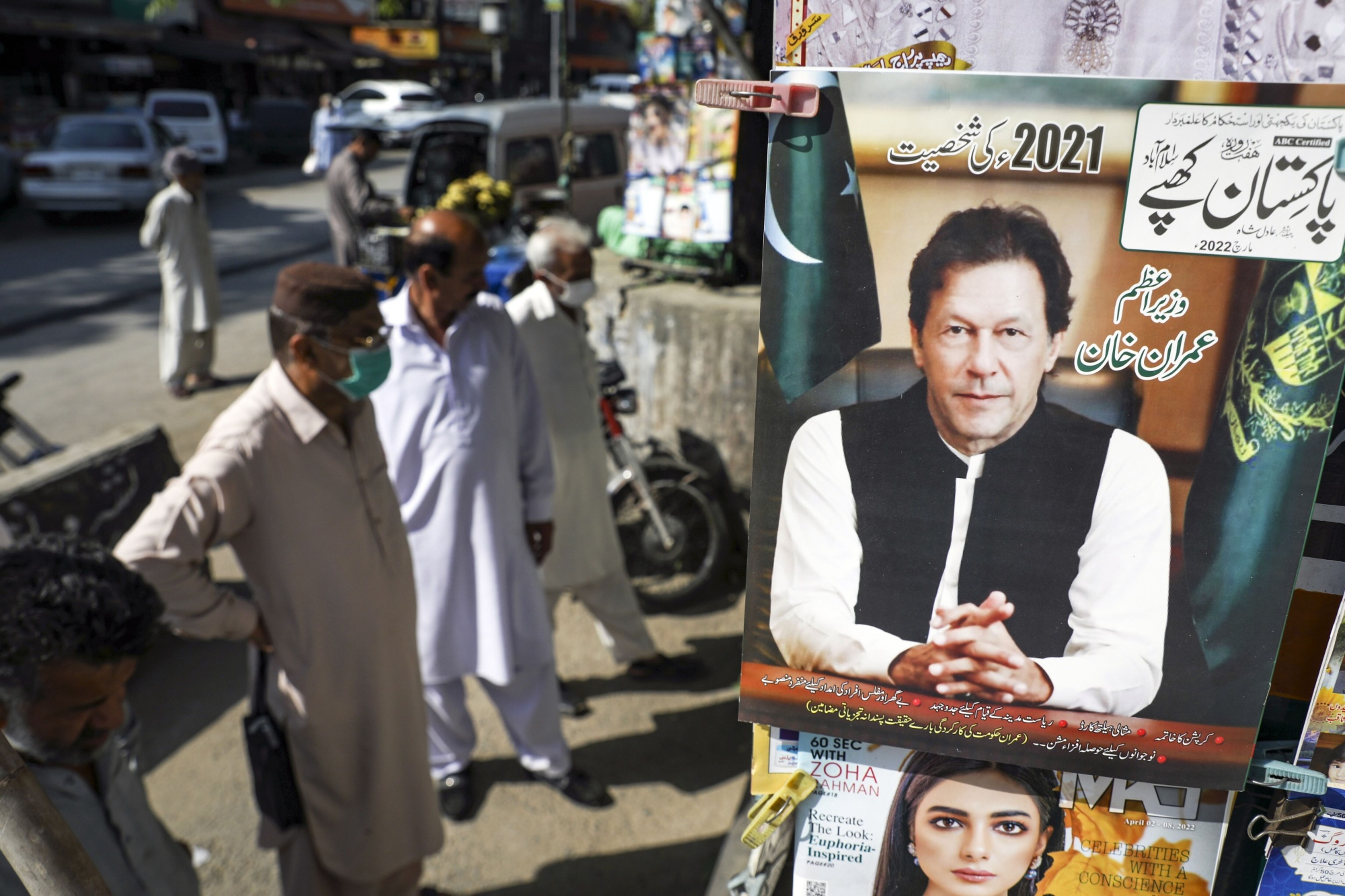
On April 3, Pakistani Prime Minister Imran Khan dissolved Parliament and escaped a planned no-confidence vote that likely would have ousted him. With legal challenges pending and early elections a strong possibility, Khan's decision has plunged Pakistan into political uncertainty and created new risks for the country's tenuous security and economic environments. Cumulatively, Sunday's developments have raised a series of immediate-term internal stability concerns, ensuring that Pakistan's attention will mainly be focused inward over the next few months. This has positive and negative implications for the region.
Immediate Domestic Fallout
Khan, by successfully executing a plan to evade a no-confidence motion that the opposition was convinced would boot him from power, has enraged his political rivals and poisoned an already hyper-partisan political scene. Opposition leaders, who had faced increasingly withering verbal attacks by Khan in recent weeks, were convinced they had him defeated. Instead, they've not only been defeated but also been branded as traitors for allegedly conspiring with Washington to try to oust Khan. It's an accusation wholly lacking in evidence, but one that has galvanised Khan's rank and file and boosted his prospects for reelection—even after he lost the support of Army chief Qamar Javed Bajwa and failed to ease economic stress.
Accordingly, the next few months will be supercharged politically. Growing enmity between Khan's Pakistan Tehreek-e-Insaf party and its rivals raises the risks of political violence, especially if there is a lack of clarity in the coming days about how and when a political transition will play out.
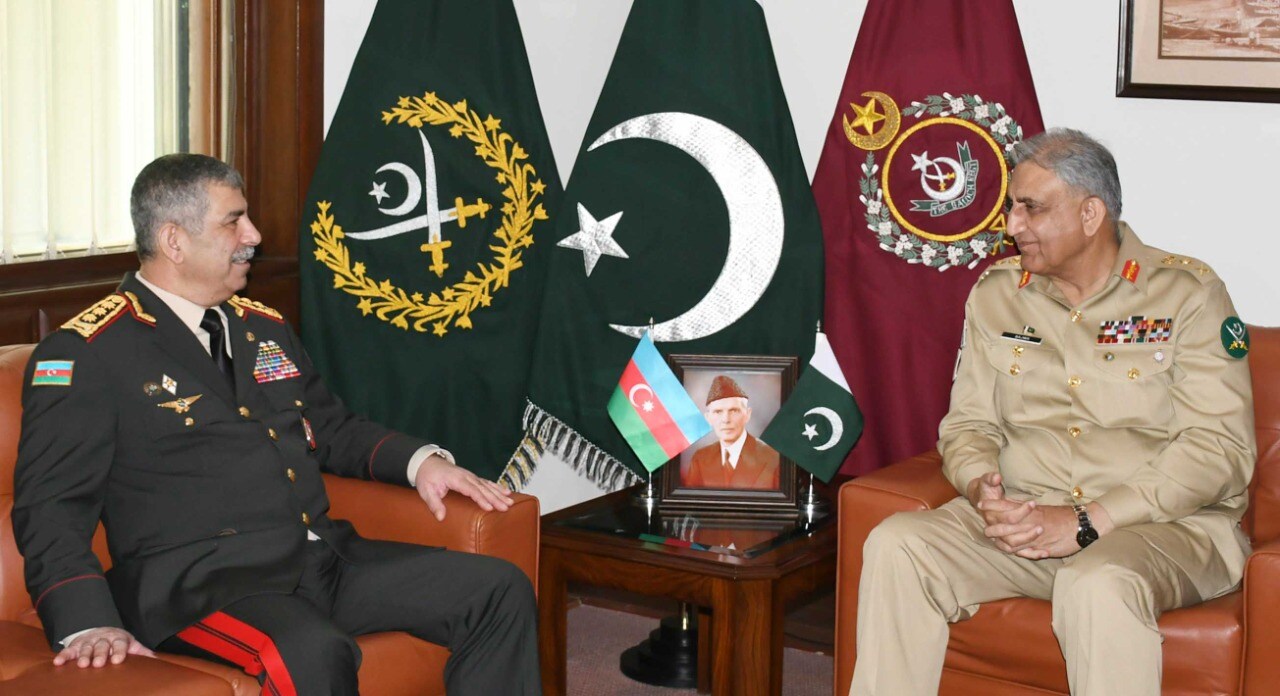
Azerbaijan Minister of Defence Zakir Hasanov meets Pakistan Chief of Army Staff General Qamar Javed Bajwa, in Rawalpindi, on March 22, 2022. (Photograph: PTV/@OfficialDGISPR/Twitter)
By lambasting the no-confidence motion as a U.S.-sponsored conspiracy, Khan has given rise to angry public expressions of anti-U.S. sentiment, including a few American flag-burning protests. Such sentiment could also galvanise religious hardliners, including the newly mainstreamed political party Tehreek e Labbaik Pakistan, which has previously staged violent protests calling for the execution of alleged blasphemers. Strong anti-American messaging is likely to endure for the next few months and figure in PTI election campaigns. Against this backdrop looms a resurgent Tehrik-i-Taliban Pakistan, which has dramatically ramped up attacks over the last year (Islamic State-Khorasan has carried out major attacks in Pakistan as well in recent months). The TTP could capitalise on state leaders being distracted by their political machinations and further step up their campaigns of violence.
And yet, the biggest cost of Pakistan's political crisis could be economic.
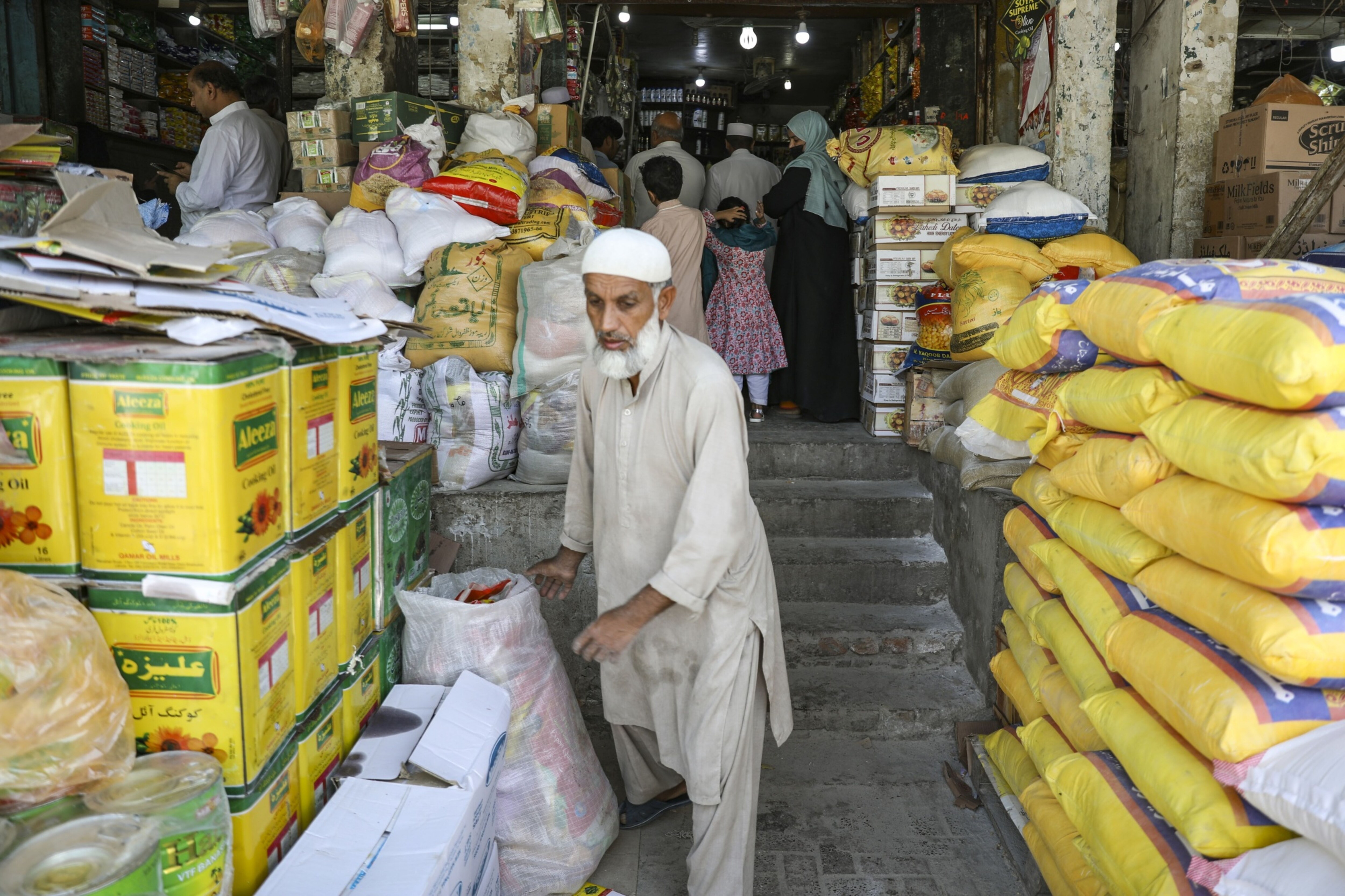
Customers at a grocery store at a market in Islamabad, on April 2, 2022. (Photographer: Asad Zaidi/Bloomberg)
Pre-crisis, the country was convulsed by some of South Asia's highest inflation rates, which have been further exacerbated by surging global oil prices. Now, with the country's politics in flux, economic stress is poised to intensify. Already, the IMF has suspended its current program until a new government is in place. Foreign investors and creditors may step back, too. Pakistani economists also forecast higher interest rates and worsening exchange rate pressures. And with the politicians preoccupied with the political crisis, the economy won't get the careful attention that such a serious policy challenge deserves.
Mixed Outcomes For Pakistan's Neighbours
All this is to say that over the next few months, the Pakistani state's focus will be internal, not external. This is good for some of its neighbors, and bad for others. India should expect no change in its relationship with Pakistan—one that has been tense but under control since the inking of a new Line of Control ceasefire agreement last year. Civilian and military leaders alike will have a strong interest in keeping the temperature down with India amid political and economic crises at home. It's noteworthy that both Bajwa and Khan in recent days offered positive and conciliatory comments about India. Additionally, civilian and military leaders responded with admirable restraint after an Indian missile crashed in Pakistan last month.
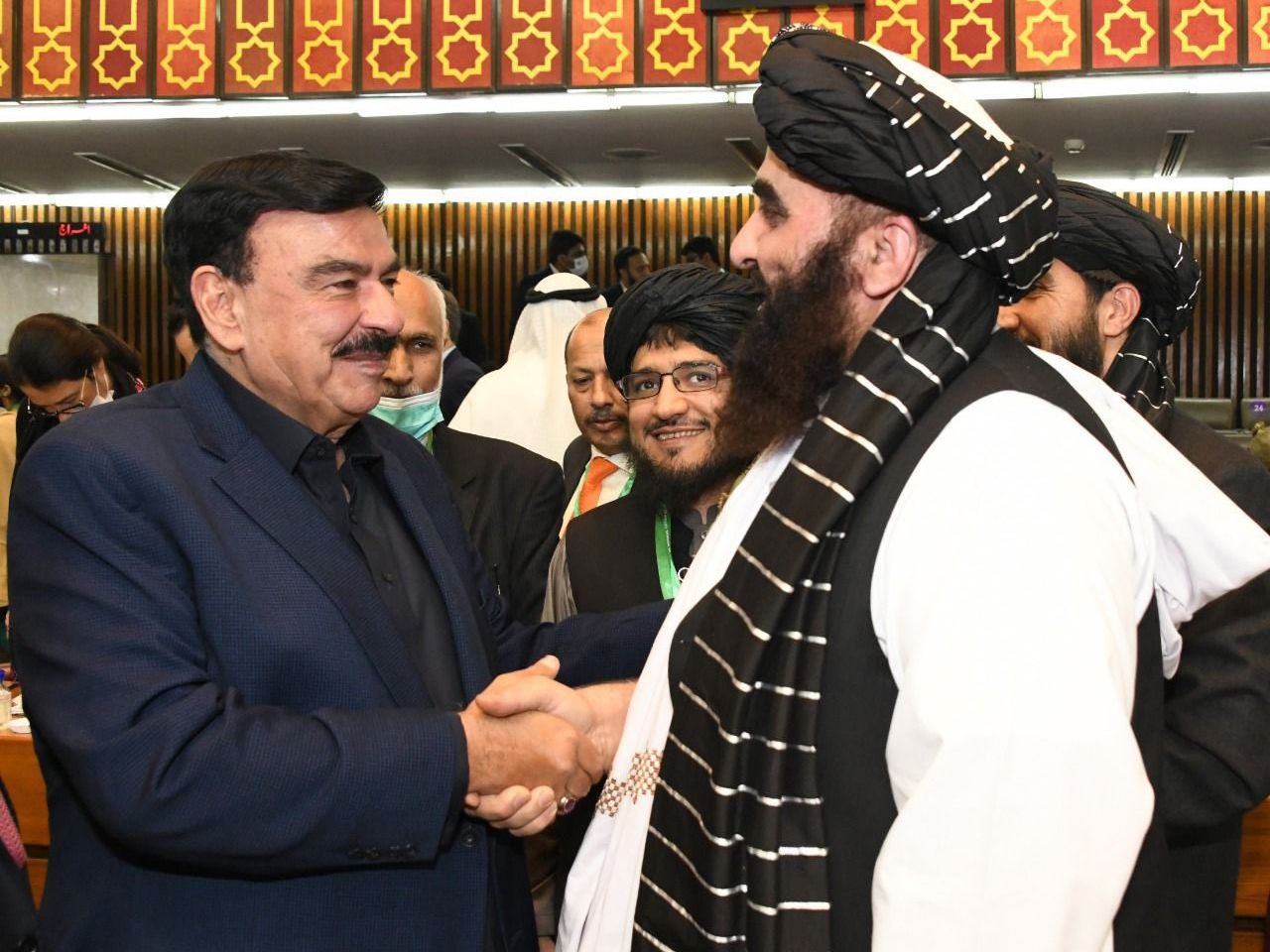
Pakistan Minister for Interior Sheikh Rashid Ahmed greets the Taliban's Foreign Minister of Afghanistan Amir Khan Muttaqi, at Parliament House, in Islamabad, on Dec. 19, 2021. (Photograph: @ShkhRasheed/Twitter)
The Taliban's relationship with Islamabad may have experienced tensions in recent months as the group sought to assert its independence from its longtime patron. But the Taliban still view Islamabad as an important friend and as their biggest diplomatic backer. No government other than Pakistan's has acted more robustly to press the international community to step up financial assistance to cash-starved, famine-stricken Afghanistan, and to consider recognition of the Taliban regime. Washington and other Western capitals are now rethinking the extent of their financial support to Kabul, given a series of recent retrogressive Taliban moves—and especially their reneging on a promise to reopen older girls' schools. This means that Pakistan is now especially crucial to the Taliban—and yet its attention will be focused elsewhere.
If there is one regional winner from Pakistan's political crisis, it is China, Islamabad's longtime ally.
While prolonged political instability in Pakistan may raise some concerns for Beijing about the security of its investments in the country, it knows that whatever government next takes office will be keen to engage with China, and seek badly needed economic assistance. This will give China leverage over Islamabad and could help Beijing negotiate new loans on highly favorable terms for itself. China would receive an additional benefit if the next government is not run by Khan's PTI. The party's strong and sustained emphasis on anti-corruption and transparency likely doesn't go down well with Beijing, which depends on highly opaque contractual arrangements with its commercial partners, including those associated with the China-Pakistan Economic Corridor.
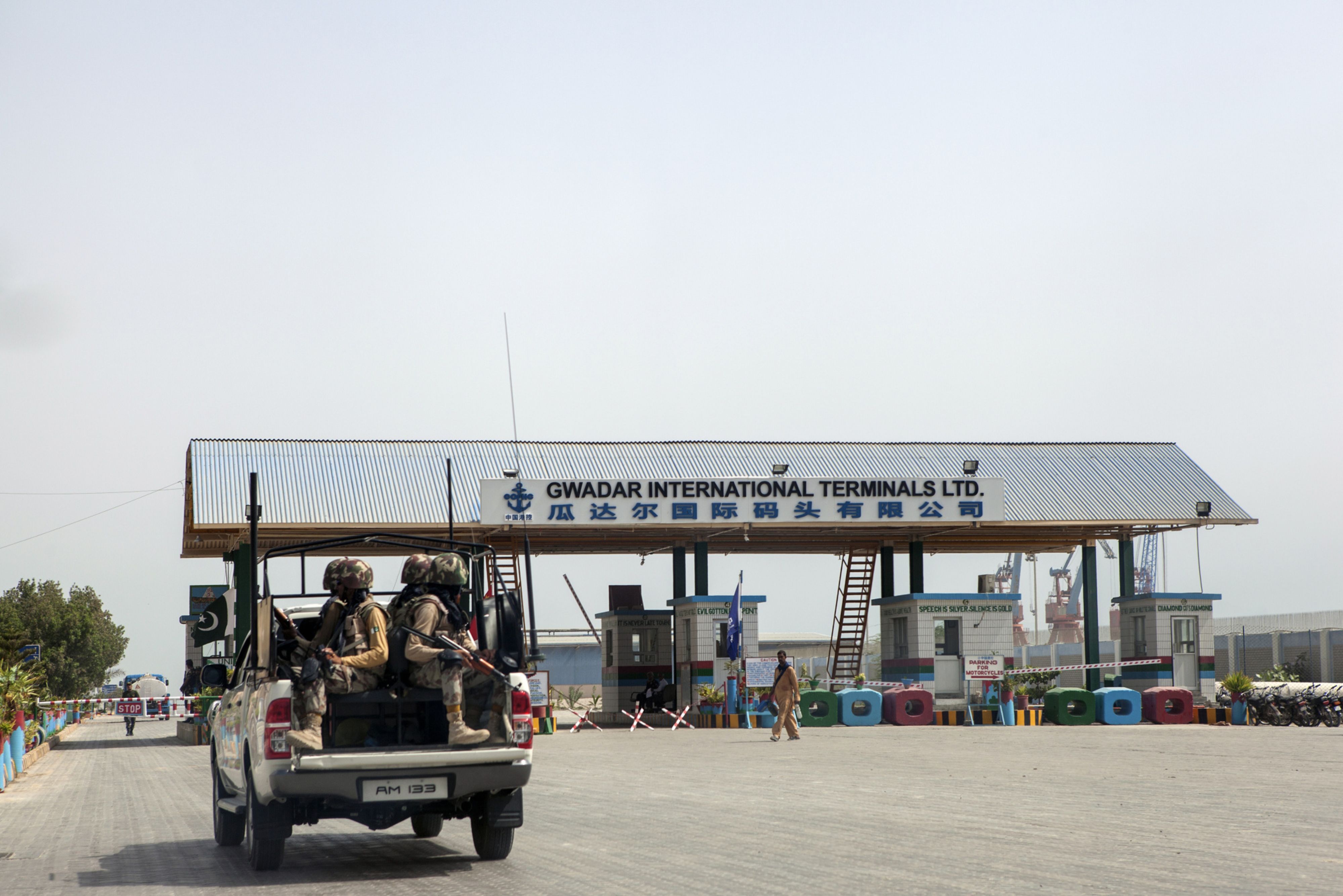
Members of the security forces arrive at Gwadar Port, the cornerstone of the China Pakistan Economic Corridor, in Balochistan, Pakistan. Photographer: Asim Hafeez/Bloomberg
The best hope, for Pakistan and its neighbours alike, is that the country quickly and smoothly completes a political transition—thereby reducing the risks of instability, bringing back a semblance of normalcy, and enabling the state to allocate the necessary policy bandwidth to address critical economic and security challenges.
Michael Kugelman is Deputy Director of the Asia Program and Senior Associate for South Asia at the Woodrow Wilson International Center for Scholars, in Washington D.C.
The views expressed here are those of the author, and do not necessarily represent the views of BloombergQuint or its editorial team.
Essential Business Intelligence, Sharp Market Insights, Practical Personal Finance Advice, Daily Fuel, Gold and Silver Prices and Latest Stories — On NDTV Profit.