No Immunity For MLAs, MPs In Bribes-For-Vote Cases: Are Adequate Safeguards In Place?
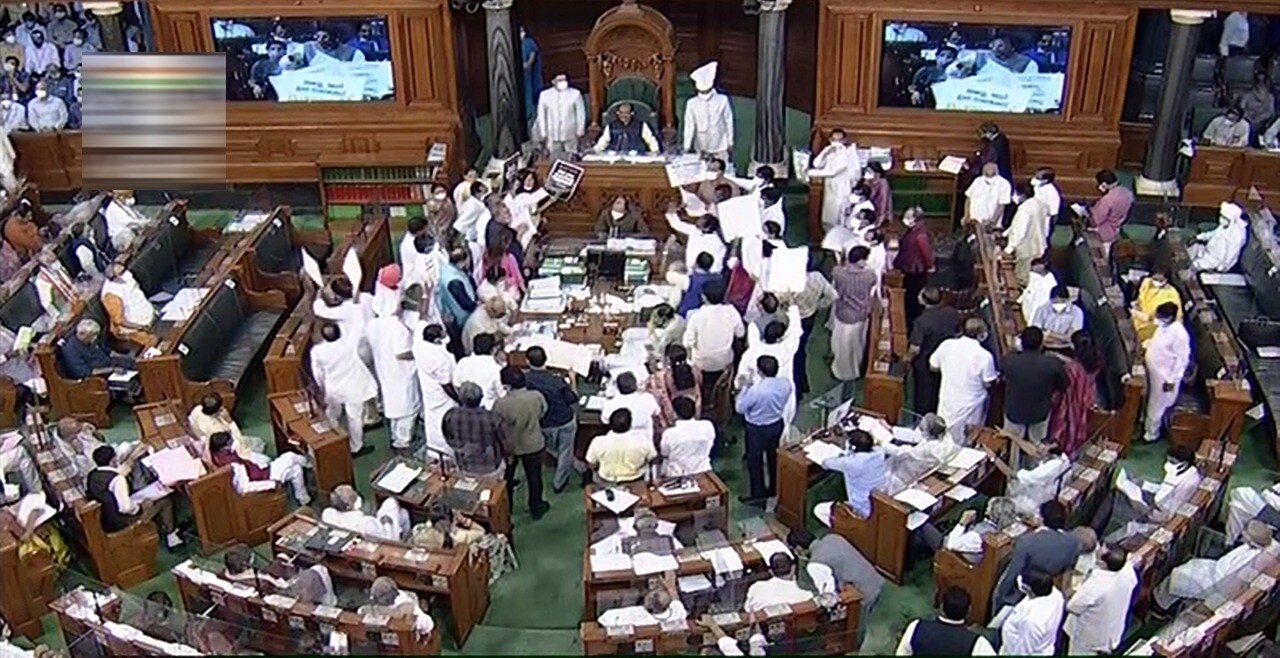
MPs and MLAs cannot claim immunity against allegations of bribery for casting a vote or making a speech in the legislatures, the Supreme Court has held.
A seven-judge bench of the top court has unanimously ruled that a claim for immunity from an alleged bribery for voting or making a speech fails to fulfil the test of whether the immunity is necessary to discharge legislative functions.
In doing so, the court has set aside the 25-year-old historic PV Narsimha Rao ruling, which said that MPs or MLAs would be immune from prosecution in such cases in the exercise of their parliamentary privileges.
Corruption and bribery by members of the legislature erode the foundation of Indian parliamentary democracy. It is destructive of the aspirational and deliberative ideals of the Constitution and creates a polity, which deprives citizens of a responsible, responsive and representative democracy.Supreme Court of India
The immunity granted to legislators seeks to sustain an environment in which debate and deliberation can take place within the legislature. This purpose is destroyed when a member is induced to vote or speak in a particular manner because of an act of bribery, the court said.
NDTV Profit spoke to senior lawyers and though there seems to be a welcoming consensus on the essence of the judgement, they seem to be wary of how this might pan out in reality.
This ruling can go either way. It might end up preventing bribes for votes completely, or it might render vulnerable a very active and public-spirited MP or MLA from asking questions critical of the government, Senior Advocate Sanjay Hegde told NDTV Profit.
Which way it ends up going will depend on the government of the daySenior Advocate Sanjay Hegde
Checks And Balances?
The ruling says that an investigation can be launched against an MP or MLA on the basis of an allegation of bribery or corruption. However, the court does not speak of how these allegations of bribery are to be handled.
An issue that arises from the ruling is that it assumes that the prosecution will be carried out in good faith. There's always a high chance that the prosecution might be launched in bad faith, which could have its own negative impacts, said Senior Advocate Sanjoy Ghose.
The court could have said that although MPs and MLAs can be prosecuted, it must be preceded by a preliminary enquiry by a parliamentary committee that finds prima facie material for prosecution, and on that basis, the prosecution could've gone forward, Ghose added.
Misusing the state machinery is no longer a taboo as it was in the olden days. Nowadays, it is considered statecraft or Chanakyaniti. This was all the more reason for the top court to have some kind of checks and balances.Senior Advocate Sanjoy Ghose
Impact On Politics
The court has ruled that a member engaging in bribery commits a crime that is unrelated to their ability to vote or to make a decision on their vote.
And since criminal proceedings could now be initiated on a mere allegation of bribery, experts suspect that this could lead to the targeting of particular individuals for political gains.
Going into the future, it may often be the case that the weapon of criminal law will be used by those in power. Before a crucial vote, allegations or FIRs might spring up alleging that a certain person was engaged in bribing MPs or MLAs to vote in a particular way. On the other hand, the MP or the MLA could be pressured by a threat of criminal charges, Hegde said.
The government of the day could very well use this ruling in keeping its flock together, or in foiling any attempts to wean away its flock.Senior Advocate Sanjay Hegde
In its present form, the ruling could easily be used to harass MPs and MLAs on false pretexts, given that in our criminal justice system, the process is the punishment in itself, Ghose said.

-
Love, Sex Aur Dhokha: The Audacious Plot To Spy On Jensen Huang

A Taipei dinner, a Singapore chip buyer and a suspected Chinese asset: inside the alleged spy operation that got close to NVIDIA's Jensen Huang.
-
Ten Things I Learnt This Samvat
Patience can be a trap. Cheap stocks can stay cheap. Leverage can wipe you out. What did Samvat 2082 teach us? Niraj Shah writes on 10 lessons from the year gone by.
-
Talking Points This Week: Tech Nerves, FII Buying, And A Faraway Banking Shock
The global markets are not shining this Diwali. The exception in the large markets is, India.
-
Midterm Rally Lasted A Day. The Hard Reality Of A Divided US May Last Two Years | Opinion
Between a contested AI boom, a debt ceiling that arrives in 2027 and a president with every incentive to act alone, the next two years may prove more volatile than the first day's rally suggests.
-
Blue Wave Will Derail the AI Trade but Won't Dismantle the AI Era | Unhedged Position
The Democrats' sweep of the US Congress will see politics collide with economic forces both over the long and short term.
-
It's Time To Take The GST Council's Bet On Trust Global
Payment records can prove India's services exports, and clear, proportionate rules can bring foreign digital sellers into the tax net.
-
Opinion | India at 38: From Innovation Overperformer to Innovation Powerhouse
India now has 453 VC-backed deep science startups, 18 of them late-stage, after 117 percent growth since 2020. Laurus Labs, at USD 9.3 billion, is the most valuable deep science company in any middle-income economy outside China.
-
Navigating Energy Crossroads: S Jaishankar's Call For Diversified Supply Chains At G20 Ministerial Meeting
As geopolitical fault lines continue to test maritime trade routes and commodity flows, Jaishankar's message remains pertinent: true economic resilience requires open markets, protected transit lines, and a genuine commitment to multilateral cooperation rather than coercion.
-
Indians Are Travelling, But Not Every Journey Is A Holiday | The Week In Whys
Pilgrims, patients and working women are the real travellers, and the system hasn't quite caught up with them.









