Mumbra Train Accident Fallout: Railway Board Exploring Retrofitment Possibilities For Existing Rakes
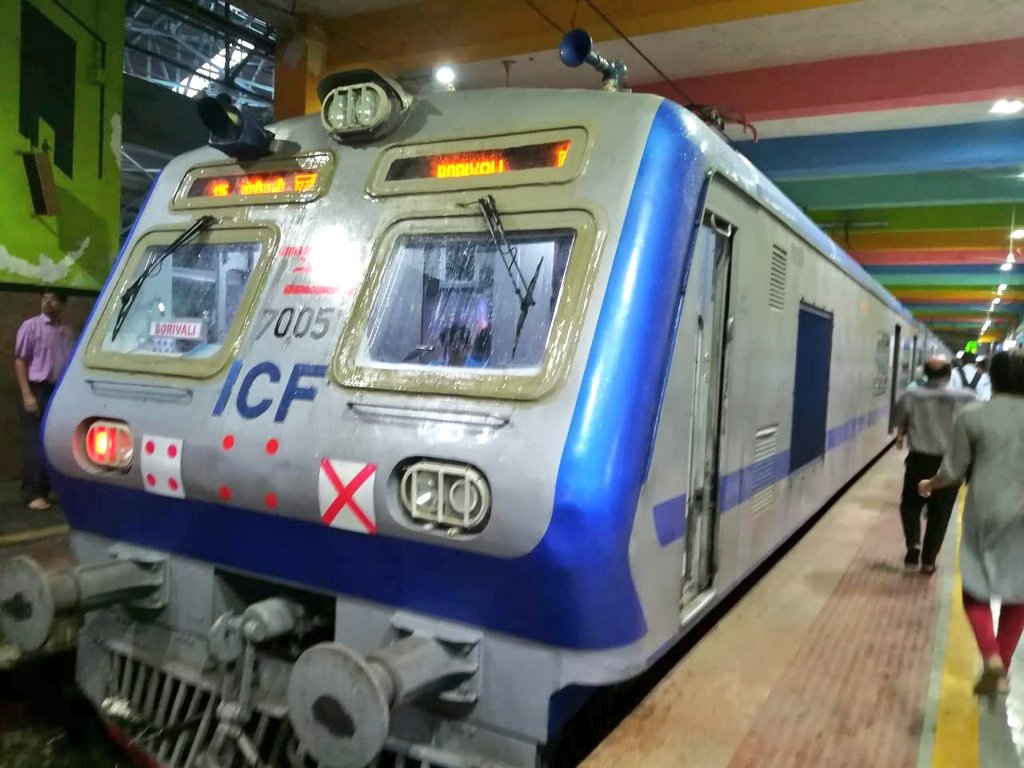
The Railway Ministry on Monday announced that all the rakes under manufacturing for the Mumbai Suburban trains will have automatic door closer facilities. The major decision for the Mumbai local trains, often called the lifeline of the city, comes in the wake of the tragic Mumbra incident.
According to the Chief Public Relations Officer, or CRPO, of Central Railway, all of the new rakes being manufactured are air-conditioned, and therefore, all of them will have auto-operated doors.
"Along with this, the railway board has decided to look into the possibilities for retrofitment of the existing rakes through the ICF," said Swanip Dhanraj Nila in an interview with NDTV.
Mumbra Train Accident
In the early hours of Monday, four people lost their lives after falling off of a fast Mumbai local train at Mumbra station in Thane.
Approximately 13 were reported to have fallen out of the train. Out of the 13 individuals, four deaths have been confirmed, two have been reported to be critically injured and have been shifted to a private hospital called Jupiter Hospital whereas, seven are out of danger and under treatment at Kalwa Hospital.The reason for the accident was the overcrowding in the train, which regularly forces passengers to stand on the footboard during transit, especially during peak hours.
Devendra Fadnavis, the Maharashtra chief minister, reacted to the tragedy on the social media platform X.
"The incident of some people falling from a local train between Diva and Mumbra stations, resulting in the death of a few individuals, is extremely unfortunate. I offer my heartfelt condolences to them. We share in the grief of their families.
The injured have been promptly admitted to Shivaji Hospital and Thane Civil Hospital, where treatment is underway. The local administration is coordinating efforts. I pray to God for the speedy recovery of the injured.
An investigation has been initiated by the railway department to determine the exact cause of this incident."
Watch Video

-
A New Samvat Wishlist: Inclusive Prosperity And Human Development

India has strengthened its economic foundations through infrastructure, digital access and enterprise. Its next growth chapter must deepen productivity, create better livelihoods and widen participation in prosperity.
-
Love, Sex Aur Dhokha: The Audacious Plot To Spy On Jensen Huang
A Taipei dinner, a Singapore chip buyer and a suspected Chinese asset: inside the alleged spy operation that got close to NVIDIA's Jensen Huang.
-
Ten Things I Learnt This Samvat
Patience can be a trap. Cheap stocks can stay cheap. Leverage can wipe you out. What did Samvat 2082 teach us? Niraj Shah writes on 10 lessons from the year gone by.
-
Talking Points This Week: Tech Nerves, FII Buying, And A Faraway Banking Shock
The global markets are not shining this Diwali. The exception in the large markets is, India.
-
Midterm Rally Lasted A Day. The Hard Reality Of A Divided US May Last Two Years | Opinion
Between a contested AI boom, a debt ceiling that arrives in 2027 and a president with every incentive to act alone, the next two years may prove more volatile than the first day's rally suggests.
-
Blue Wave Will Derail the AI Trade but Won't Dismantle the AI Era | Unhedged Position
The Democrats' sweep of the US Congress will see politics collide with economic forces both over the long and short term.
-
It's Time To Take The GST Council's Bet On Trust Global
Payment records can prove India's services exports, and clear, proportionate rules can bring foreign digital sellers into the tax net.
-
Opinion | India at 38: From Innovation Overperformer to Innovation Powerhouse
India now has 453 VC-backed deep science startups, 18 of them late-stage, after 117 percent growth since 2020. Laurus Labs, at USD 9.3 billion, is the most valuable deep science company in any middle-income economy outside China.
-
Navigating Energy Crossroads: S Jaishankar's Call For Diversified Supply Chains At G20 Ministerial Meeting
As geopolitical fault lines continue to test maritime trade routes and commodity flows, Jaishankar's message remains pertinent: true economic resilience requires open markets, protected transit lines, and a genuine commitment to multilateral cooperation rather than coercion.









