Land In Jail If You Disobey This Consumer Court Chief’s Orders
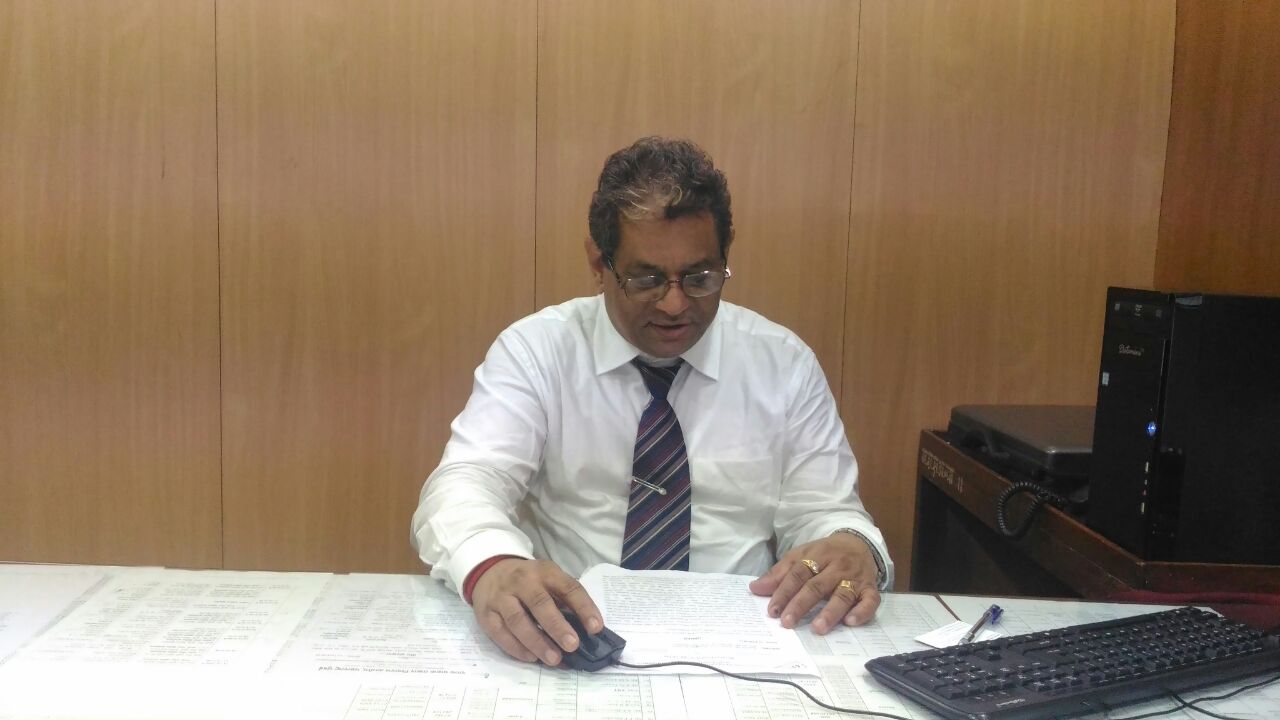
India's consumer courts have disposed of 91 percent of the cases since inception, official statistics show. But that's not a measure of success because compliance with their orders remains poor. Justice AP Bhangale has found a way out: cut through lengthy procedure and send those who disobey to jail.
The approach will have a powerful impact in ensuring swift compliance, said Justice Bhangale, president of Maharashtra State (Consumer Disputes Redressal) Commission. Since going to jail is unpleasant, even a single such order will lead to multiple out-of-court settlements, which is good for the consumer, he told BloombergQuint in an interview.
Justice Bhangale sent one person to two years in prison on January 17 this year after the individual failed to pay a fine of Rs 10 lakh as laid down in an order. In another case, on March 16, he sent a builder to three years in jail for failing to comply with an order to hand over a flat to the buyers or refund the amount with interest and costs. Both cases had a common rider: the guilty will be released once the orders are implemented.
Justice Bhangale's effort is to expedite compliance as cases can drag for years, even when decided. A consumer forum in Thane recently sentenced two people to six months in prison 18 years after the case was first registered. The district consumer redressal forum held two former directors of defunct carmaker PAL Peugeot guilty of not complying with its orders. The ruling came nearly four years after the company refunded the booking amount for two cars along with interest to a couple. The duo continued to pursue the case even after being compensated to ensure that the company officials are held accountable. The arrest order was stayed by the state commission. Justice Bhangale is clearly in a minority.
Innovative Interpretation
Under the Consumer Protection Act, 1986, district forums, state commissions and the national commission can imprison a person for disobeying an order. Section 27 of the Act gives these bodies the powers of a judicial magistrate as set out under the Code of Criminal Procedure, 1973. The Act, however, is silent on the procedure to be followed when exercising these powers.
So far, the Maharashtra Commission complied with procedures laid out in the criminal law but the approach is an unnecessary waste of time, said Justice Bhangale, who took charge in January last year. The Commission blindly followed the lengthy trial process laid out in the Criminal Procedure Code - issuing a summons, recording a plea, framing charges, fixing of evidence, he said.
Deliberate disobedience is enough to order imprisonment, Bhangale insisted.
Intent Not To Punish
The intent is to improve compliance, not punish. Justice Bhangale ensures if the commission's order is complied with, the offender is released. “Once the objective is achieved, there is no point in keeping someone behind bars,” he said.
Earlier, a sentence would mean that the offender would have to endure the full term of incarceration irrespective of compliance thereafter. This is against the principles of natural justice.Justice AP Bhangale, President, Maharashtra State (Consumer Disputes Redressal) Commission
Watch the accompanying video for the full interview.

-
Unhedged Position: Can India See An Indonesia-Style Time Correction?

The Nifty is trading below levels it first clocked in 2024. Is there, then, as I have suggested in the headline, potential that the current time correction drags on painfully for the next three-five, even ten years?
-
Navigating Friction And Energy Realities: An Analysis Of Marco Rubio's October Visit To India
Occurring at a critical juncture marked by stalled trade negotiations and escalating geopolitical pressures over global energy supplies, the visit offers a profound window into modern US-India relations.
-
India Exports Capital. Why Not Export Trusteeship?
The big question, then, is whether India can build an institution that global borrowers, investors, banks, and lawyers can trust, even without an Indian connection.
-
France's Economy & Politics Are In Crisis | The Reason Why
Let's look at how the French economy and politics evolved under Nicolas Sarkozy, Franois Hollande and Emmanuel Macron.
-
You May Inherit The Business. You Must Earn Its Credibility.
Succession tests the founder's ability to share authority as much as it tests the next generation's readiness to assume it.
-
Signing Deals Is One Thing; Making Them Work Is Another | The Week In Whys
Sometimes, things don't turn out as planned. Indian companies have lost some bids to rivals, some projects won't produce until 2030.
-
FOMC Wall, PERM Suspension, Hospital Stocks | Talking Points This Week
A PERM suspension would directly affect green-card sponsorship rather than H-1B visas, so the near-term earnings impact could remain relatively limited. The key question is whether this marks a new phase in US scrutiny of Indian IT.
-
Everything, Everywhere, All At Once: Dalal Street's Week To Forget | Joining The Dots
Visa curbs, a Starlink spat and cancer drug caps: what connects this week's shocks for Indian markets
-
India Is Going Abroad For Critical Minerals. But It May Take Years To Pay Off | The Reason Why
Although India's steps are in the right direction, they remain modest compared with India's growing dependence.
-
When Everyone Has AI, What Gives You An Edge?
India's young workforce is entering an uncertain world of work where powerful AI tools are becoming widely accessible. The advantage will belong to those who combine deep expertise with digital fluency, and the distinctly human capabilities that technology cannot manufacture.









