Is Tata-Docomo’s Sudden Bonhomie Legal?
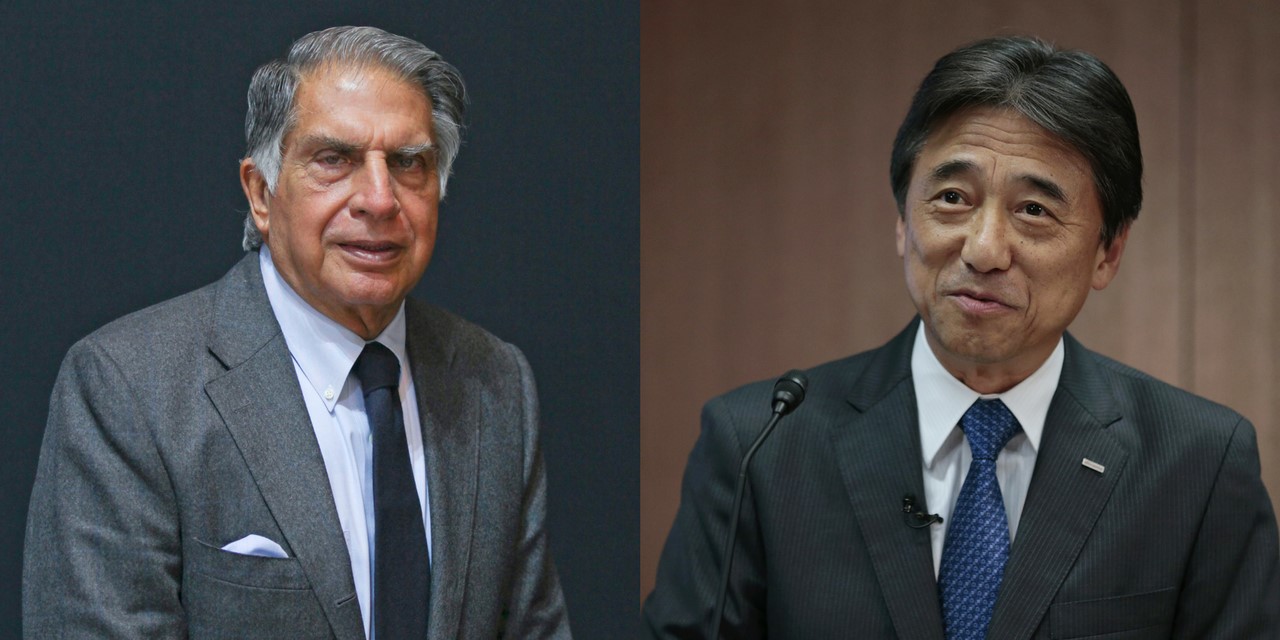
Tata Sons and its estranged Japanese telecom partner NTT Docomo have decided to bury the hatchet. Tata Sons agreed to not oppose the enforcement of the London court's arbitral award that had directed it to pay $1.17 billion to Docomo. Docomo, in turn, agreed to pause enforcement proceedings against Tata Sons in the U.K. and the U.S.
But just because Tata Sons and Docomo are now willing to make peace, will it make the payment of $1.17 billion by Tata Sons and transfer of Tata Teleservices shares by Docomo kosher?
In the arbitration proceedings before the London Court of International Arbitration and enforcement proceedings before the Delhi High Court, Tata Sons had argued that:
“...no payment can be made in violation of Foreign Exchange Management Act (FEMA) Regulations – it would be against public policy. And that awarding damages would allow Docomo by a roundabout route to enforce a contract which is unenforceable and is in violation of the law. What cannot be done directly, cannot done indirectly.”
After Docomo won the arbitration, Tata Sons had written to the Reserve Bank of India (RBI) seeking its permission to pay $1.17 billion. The central bank had turned down this request and said:
“ ...the shareholding agreement between Tata Sons and Docomo was structured in a manner that its compliance would entail contravening the provisions of FEMA.”
Besides Tata Sons' sudden willingness to pay the arbitral amount to Docomo, what's made it legal for them to now pay this money despite the RBI's views?
Bloomberg Quint put that question to Murali Neelakantan, an independent lawyer who practices corporate law.
Neelakantan said that the way it could be now presented to the RBI is that prior to the arbitral award it was payment for shares but post the award, there are two parts to the payment - one is for the shares at fair market value and the other is damages for breach of contract.
The RBI can't have a view on the latter. On the former, the law is that if you produce a certificate substantiating fair market value, then the RBI doesn't have to grant any approval; it's just a post-transaction filing.Murali Neelakantan, Corporate Lawyer
Tata Sons and NTT Docomo have also informed the high court that they would not oppose RBI's intervention in this case. RBI's lawyer SM Vivek Anand said he will seek instructions from the central bank on this and inform the court.
Neelakantan said that it's unprecedented to have RBI file an application of this nature.
In all the other judgments and awards that have been enforced in this country, nobody has ever made RBI a party and have them come a take a view. It was the courts who had to take a view whether the award was against public policy or not and courts didn't defer to the RBI for its opinion.Murali Neelakantan, Corporate Lawyer
It's very unusual to have invited RBI's views on this issue and having received it, not know what to do with it because it could hurt the settlement agreement of the parties, he added.
In an affidavit before the Delhi High Court, Tata Sons had argued that the enforcement of the award would open the floodgates for parties inconvenienced by decisions of empowered regulators in India.
All that would be required to ensure the performance of contracts, which might be contrary to the provisions of statutes or decisions of regulators, would be to have a foreign arbitral award passed in favour of such performance. The authority of all regulators empowered by the legislature (not just the RBI) would be completely undermined by the simple expedient of a foreign seated arbitration.Tata Sons affidavit before the Delhi High Court
Neelakantan said that if the award is enforced, it would undermine the credibility of the RBI; though by its own actions.
Also Read: Tata Must Exit Telecom After Burying Hatchet With Docomo

-
Navigating Energy Crossroads: S Jaishankar's Call For Diversified Supply Chains At G20 Ministerial Meeting

As geopolitical fault lines continue to test maritime trade routes and commodity flows, Jaishankar's message remains pertinent: true economic resilience requires open markets, protected transit lines, and a genuine commitment to multilateral cooperation rather than coercion.
-
Indians Are Travelling, But Not Every Journey Is A Holiday | The Week In Whys
Pilgrims, patients and working women are the real travellers, and the system hasn't quite caught up with them.
-
Getting To Work Costs Women More | The Reason Why
It is not just about women paying more than men. It is about women paying much more in cities than in villages.
-
AI Bias In Investing Cannot Be Eliminated, But It Can Be Governed
Framing is a particularly important example as identical financial information presented in terms of gains rather than losses can lead an LLM to reach a different assessment.
-
Joining The Dots | Dark Skies, Steady Diya: Why Hope Holds This Diwali
With war, a weak rupee and foreign outflows weighing on sentiment, policymakers at the NDTV World Summit and market veterans at NDTV Profit Ignite: Diwali Edition offered the same advice: stay invested and filter out the noise.
-
The Curious Case of Equitas Small Finance Bank And A CEO Who Quit For Stock
PN Vasudevan believes persistent investor concerns over a perceived conflict of interest had become a governance overhang on Equitas Small Finance Bank's stock, even as the lender improved profitability and asset quality.
-
Talking Points This Week: AI Cash Burn, A Tiger Comeback And An India That Still Finds Its Own Path
India is not immune to higher oil or tighter global liquidity, yet its earnings base is broader, its domestic policy levers are still available.
-
Foreign Investors Own Half Of HDFC Bank and ICICI Bank. An LTCG Cut Could Matter Most Here
Foreign portfolio investors have US$115 billion parked in HDFC Bank, ICICI Bank. If the government cuts long-term capital gains tax, Jefferies says returning foreign money could land here first.
-
'Never Seen This Level Of Negativity': Sandeep Tandon Says The Next Rally May Be Closer Than You Think
Veteran investor Sandeep Tandon says foreign selling is easing, large-caps are due a comeback and mid-caps are crowded, while he turns positive on gold, power and pharma this Diwali.
-
Indians Stay With Family, Not In Hotels | The Reason Why
India still lacks enough clean, reliable and affordable hotels for budget-conscious travellers.










