Industries To Be Shut For Want Of Effluent Treatment Plants: Supreme Court
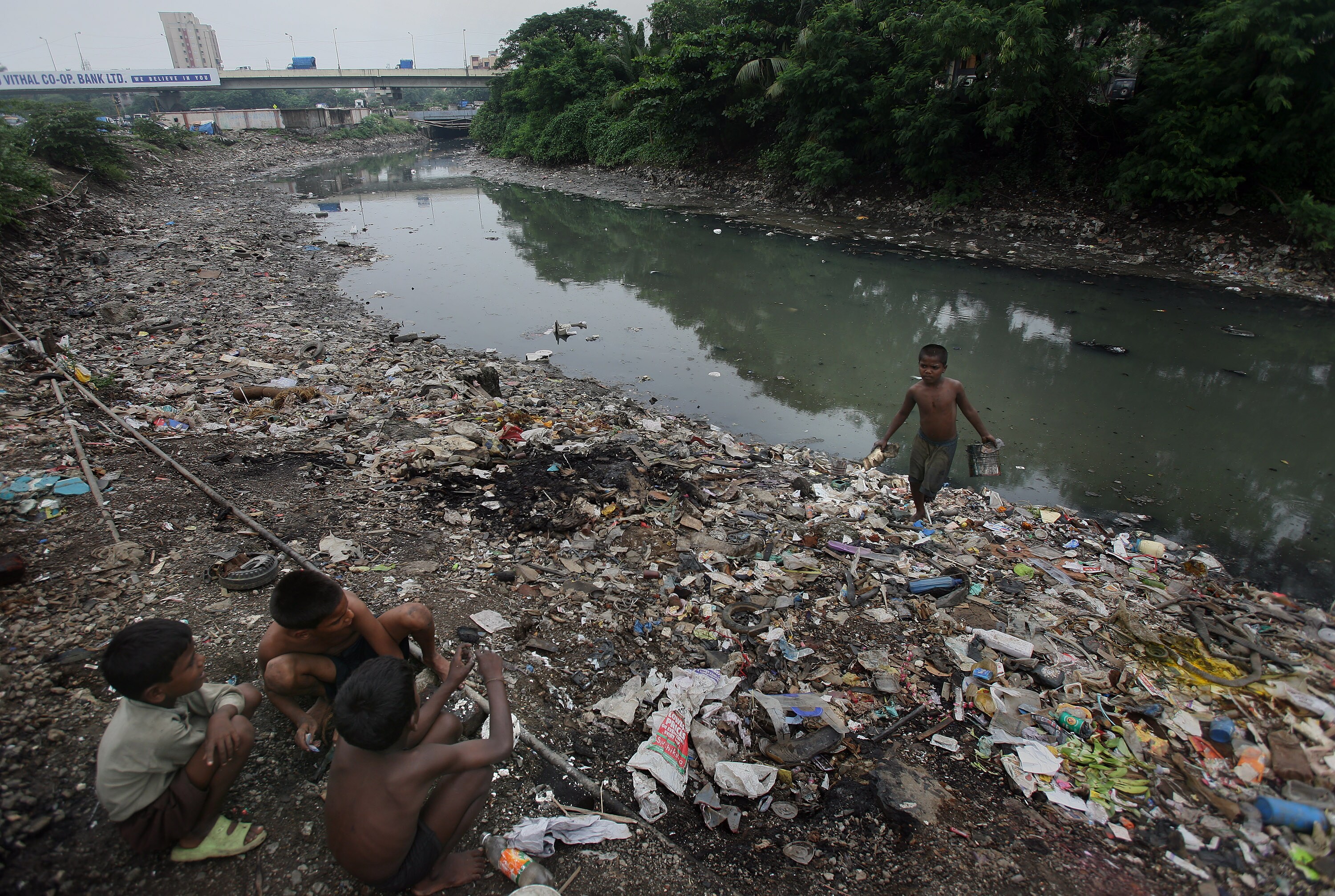
Polluting industrial units across the country would be shut down if they do not have functional primary effluent treatment plants (PETPs) to stop the release of untreated waste in water bodies within three months after notice, the Supreme Court ruled on Wednesday.
Issuing a slew of directions, a bench headed by Chief Justice JS Khehar directed state pollution control boards (PCBs) to issue a common notice by way of public advertisement to all industrial units to ensure that they have set up PETPs as mandated under the law to carry out industrial activities.
"We direct concerned state pollution control boards to issue notice to all industrial units by way of a common advertisement requiring them to ensure that they have functional primary effluent treatment plants. On the expiry of three months' notice period, the concerned state pollution control boards are mandated to carry out inspections at industrial units as to whether they have functional PETPs," the bench, also comprising Justices DY Chandrachud and SK Kaul, said.
If industrial units do not have functional PETPs, then they will not be allowed to function any more, the court said.
The bench further directed that the state PCBs will ask the concerned electricity supply boards to disconnect the power supply to the defaulting industrial units, which could resume their functions only after they made their PETPs functional.
While disposing of a PIL on the issue, the top court said though the setting up of PETPs was required to be done by individual industrial units, the government bodies will have to establish Common Effluent Treatment Plants (CETPs) across the country within three years after acquiring land and completing other formalities.
The states will have to submit reports with regard to setting up of CETPs to the concerned bench of the National Green Tribunal. The local civic authorities could formulate norms to levy cess from users if they face financial crunch in the setting up of and running the CETPs.
The bench, however, left the issue of setting up of zero liquid discharge (ZLD) plants to the authorities concerned after they complete the first round with regard to CETPs.
The apex court had earlier issued notice to the Centre, the Ministry of Environment and Forests, the Central Pollution Control Board (CPCB) and Chief Secretaries of 19 states, including Gujarat, on the plea filed by NGO Paryavaran Suraksha Samiti on the issue of pollution in water bodies, including ground water.

-
Ten Things I Learnt This Samvat

Patience can be a trap. Cheap stocks can stay cheap. Leverage can wipe you out. What did Samvat 2082 teach us? Niraj Shah writes on 10 lessons from the year gone by.
-
Talking Points This Week: Tech Nerves, FII Buying, And A Faraway Banking Shock
The global markets are not shining this Diwali. The exception in the large markets is, India.
-
Midterm Rally Lasted A Day. The Hard Reality Of A Divided US May Last Two Years | Opinion
Between a contested AI boom, a debt ceiling that arrives in 2027 and a president with every incentive to act alone, the next two years may prove more volatile than the first day's rally suggests.
-
Blue Wave Will Derail the AI Trade but Won't Dismantle the AI Era | Unhedged Position
The Democrats' sweep of the US Congress will see politics collide with economic forces both over the long and short term.
-
It's Time To Take The GST Council's Bet On Trust Global
Payment records can prove India's services exports, and clear, proportionate rules can bring foreign digital sellers into the tax net.
-
Opinion | India at 38: From Innovation Overperformer to Innovation Powerhouse
India now has 453 VC-backed deep science startups, 18 of them late-stage, after 117 percent growth since 2020. Laurus Labs, at USD 9.3 billion, is the most valuable deep science company in any middle-income economy outside China.
-
Navigating Energy Crossroads: S Jaishankar's Call For Diversified Supply Chains At G20 Ministerial Meeting
As geopolitical fault lines continue to test maritime trade routes and commodity flows, Jaishankar's message remains pertinent: true economic resilience requires open markets, protected transit lines, and a genuine commitment to multilateral cooperation rather than coercion.
-
Indians Are Travelling, But Not Every Journey Is A Holiday | The Week In Whys
Pilgrims, patients and working women are the real travellers, and the system hasn't quite caught up with them.
-
Getting To Work Costs Women More | The Reason Why
It is not just about women paying more than men. It is about women paying much more in cities than in villages.









