India’s Cooling Demand Set To Surge, Straining Power Grid: Study
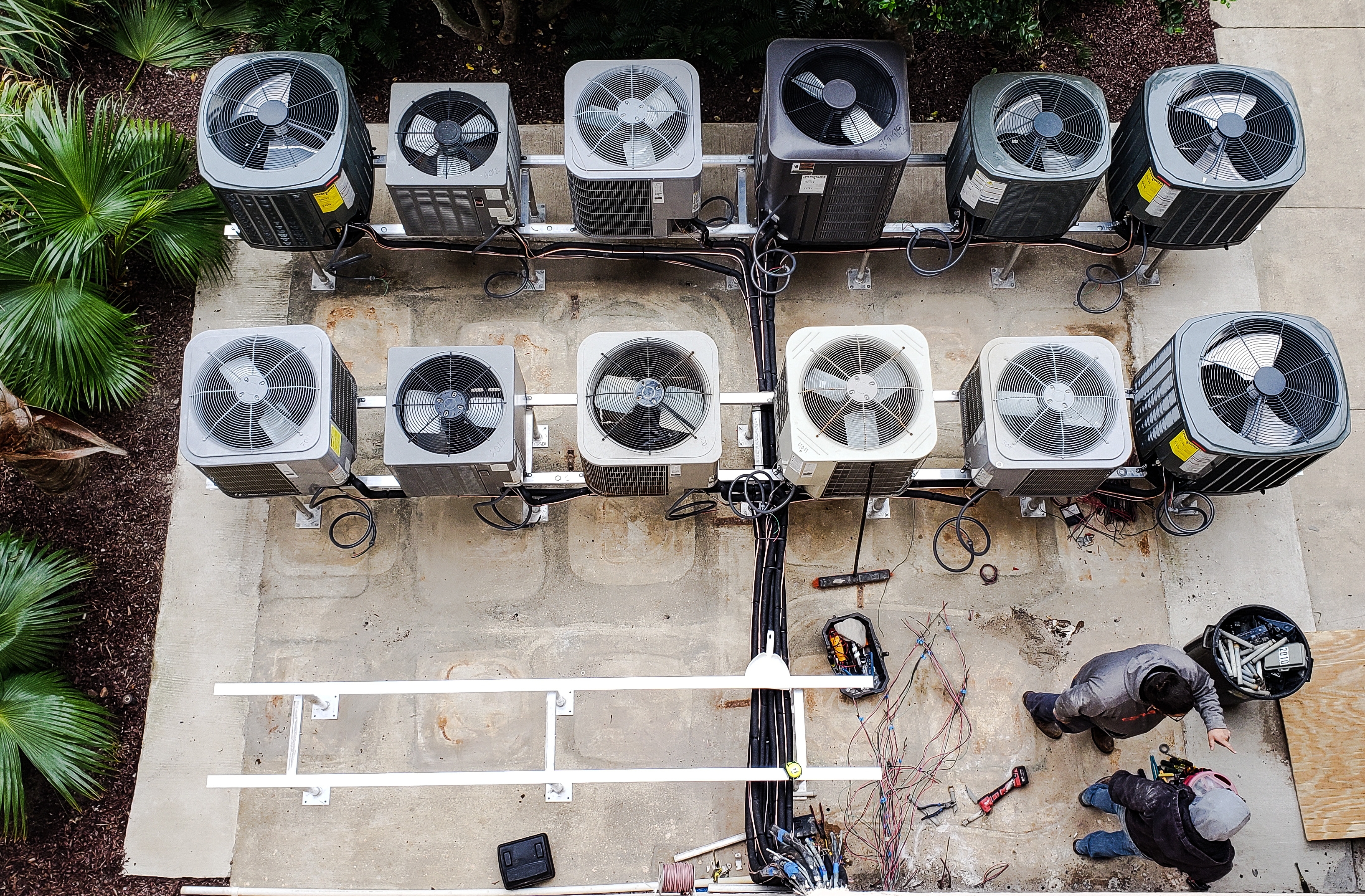
India is expected to add 130-150 million new room air conditioners over the next decade, potentially increasing peak power demand by over 180 gigawatts by 2035, according to a study by the India Energy and Climate Center at the University of California, Berkeley. The report warns that without intervention, this rapid growth could lead to power shortages as early as 2026.
India currently adds 10-15 million ACs annually, with demand surging 40-50% year-on-year in the summer of 2024 due to record-breaking temperatures. The study highlights that ACs alone could drive 120 GW of peak power demand by 2030 and 180 GW by 2035, accounting for nearly 30% of total projected demand.
Lead author Nikit Abhyankar said the rising AC usage is outpacing India's power supply, posing risks of blackouts or costly emergency measures. However, the study suggests that doubling AC energy efficiency over the next decade could prevent severe shortages and save consumers up to Rs 2.2 lakh crore ($26 billion).
PTI reported on Monday that India is likely to see a 9-10% rise in peak electricity demand this summer amid increasing heat waves. Last year, peak demand hit 250 GW on May 30, exceeding projections by 6.3%.
The household sector's share of electricity consumption rose from 22% in 2012-13 to 25% in 2022-23, driven by economic growth and rising temperatures.
To address the challenge, the study recommends updating India's Minimum Energy Performance Standards. A 2027 revision could set the 1-star AC label at ISEER 5.0, equivalent to today's 5-star level, with further tightening every three years. This could prevent shortages of 10 GW by 2028, 23 GW by 2030, and 60 GW by 2035—equivalent to 120 large power plants.
Efficient ACs could also bring significant consumer benefits. Despite higher upfront costs, they could yield net savings of Rs 66,000 crore to Rs 2.25 lakh crore ($8-26 billion) by 2035, paying for themselves within two to three years through lower electricity bills. Co-author Amol Phadke noted that efficiency does not necessarily drive retail prices higher, as economies of scale and competitive markets can offset costs.
More than 600 AC models—20% of all available in India—already exceed the top 5-star efficiency level, with many made by domestic manufacturers. Co-author Jose Dominguez emphasised that with the right policy push, Indian companies could scale up under the Make in India and Production Linked Incentive schemes, positioning India as a leader in sustainable cooling.
The study also calls for updating AC test procedures to reflect India's humid climate, ensuring better moisture removal alongside cooling for improved comfort.
(With text inputs from PTI.)

-
Navigating Energy Crossroads: S Jaishankar's Call For Diversified Supply Chains At G20 Ministerial Meeting

As geopolitical fault lines continue to test maritime trade routes and commodity flows, Jaishankar's message remains pertinent: true economic resilience requires open markets, protected transit lines, and a genuine commitment to multilateral cooperation rather than coercion.
-
Indians Are Travelling, But Not Every Journey Is A Holiday | The Week In Whys
Pilgrims, patients and working women are the real travellers, and the system hasn't quite caught up with them.
-
Getting To Work Costs Women More | The Reason Why
It is not just about women paying more than men. It is about women paying much more in cities than in villages.
-
AI Bias In Investing Cannot Be Eliminated, But It Can Be Governed
Framing is a particularly important example as identical financial information presented in terms of gains rather than losses can lead an LLM to reach a different assessment.
-
Joining The Dots | Dark Skies, Steady Diya: Why Hope Holds This Diwali
With war, a weak rupee and foreign outflows weighing on sentiment, policymakers at the NDTV World Summit and market veterans at NDTV Profit Ignite: Diwali Edition offered the same advice: stay invested and filter out the noise.
-
The Curious Case of Equitas Small Finance Bank And A CEO Who Quit For Stock
PN Vasudevan believes persistent investor concerns over a perceived conflict of interest had become a governance overhang on Equitas Small Finance Bank's stock, even as the lender improved profitability and asset quality.
-
Talking Points This Week: AI Cash Burn, A Tiger Comeback And An India That Still Finds Its Own Path
India is not immune to higher oil or tighter global liquidity, yet its earnings base is broader, its domestic policy levers are still available.
-
Foreign Investors Own Half Of HDFC Bank and ICICI Bank. An LTCG Cut Could Matter Most Here
Foreign portfolio investors have US$115 billion parked in HDFC Bank, ICICI Bank. If the government cuts long-term capital gains tax, Jefferies says returning foreign money could land here first.
-
'Never Seen This Level Of Negativity': Sandeep Tandon Says The Next Rally May Be Closer Than You Think
Veteran investor Sandeep Tandon says foreign selling is easing, large-caps are due a comeback and mid-caps are crowded, while he turns positive on gold, power and pharma this Diwali.
-
Indians Stay With Family, Not In Hotels | The Reason Why
India still lacks enough clean, reliable and affordable hotels for budget-conscious travellers.










