India's Clean Energy Capacity Set to Grow, But Green Targets at Risk: Report
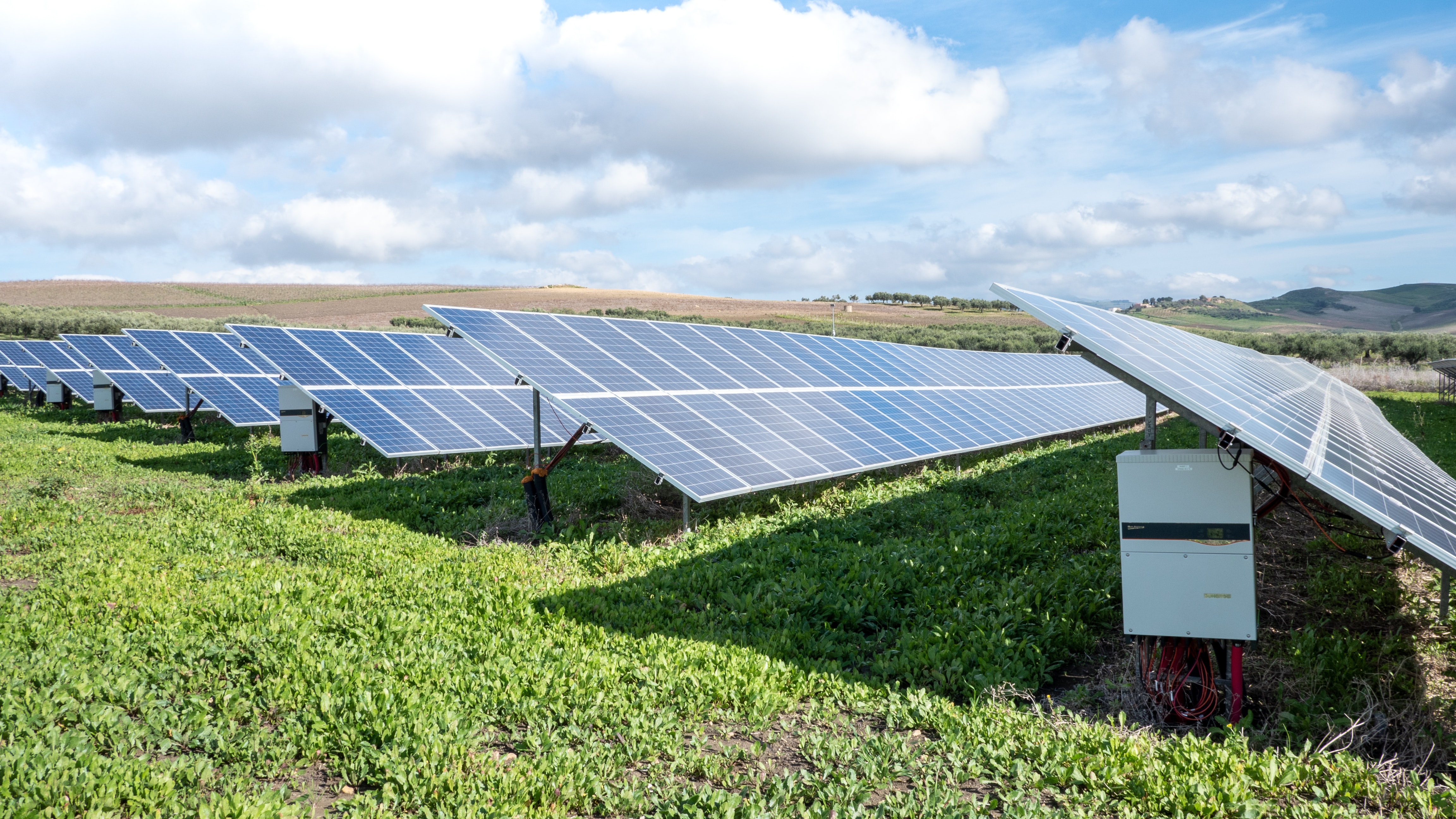
A report released on Monday indicates that while India's clean energy technology capacity is expected to grow significantly by 2030, the country may fall short of its green energy targets. Challenges such as limited technological innovation and a shortage of skilled labour are key factors contributing to this potential shortfall.
The centre aims for 50% of the country's total electric power capacity to come from non-fossil fuel sources by 2030. According to S&P Global Commodity Insights, with supportive government policies, India is on track to achieve substantial growth in clean energy technology, including aspirations for complete self-sufficiency in solar photovoltaic and wind energy by 2030.
"However, challenges such as technological innovation gaps, skilled labour shortages, inadequate infrastructure, and inconsistent policy enforcement may hinder progress toward these clean energy goals by 2030," it said.
To bolster local manufacturing, several policy initiatives have been implemented. These include tariffs on imported goods, such as basic customs duties and goods and services tax, along with the Approved List of Models and Manufacturers and the Revised List of Models & Manufacturers.
Additionally, direct incentives like the Production-Linked Incentive scheme are designed to enhance domestic production and foster innovation within the sector.
These favourable policies are expected to drive substantial growth in India's clean energy capacity by 2030, it said.
"Projections indicate that India will reach 107 gigawatts in PV modules, 20 GW in wind nacelles, 69 GWh in battery cells, and 8 gigawatts equivalent in electrolyzers. This growth will enable India to achieve full self-sufficiency in solar PV and wind and over 90% in battery cells,” said Indra Mukherjee of S&P Global Commodity Insights.
While the manufacturing capacity is growing, India still faces obstacles in achieving its ambitious renewable energy installation targets.
In the solar PV sector, India struggles to meet its polysilicon and wafer production goals, which hampers its competitiveness.
Similarly, India's wind turbine product mix requires alignment with global standards for export, and its nascent offshore wind sector will demand further investments.
(With Inputs From PTI.)

-
High US Salaries, No Green Card Certainty: The Financial Calculation Facing Indian H-1B Families

The suspension of PERM processing at eight technology employers does not cancel existing H-1B visas. What it does is force a question many Indian families have been avoiding: is the US salary worth tying your career and family plans to one employer?
-
Swiggy vs Eternal: Food Delivery's Two Rivals Are No Longer In The Same Race
Eternal is building a private AI assistant, dark.ai. Swiggy is still working out how to make Instamart pay, with an operating loss of Rs 895 crore in the July-September quarter while Blinkit stayed profitable.
-
Where You Live Shapes How You Get To Work | The Reason Why
Two-wheelers are the most popular way to get to work in India, accounting for nearly 43% of workplace commutes.
-
Unhedged Position: Can India See An Indonesia-Style Time Correction?
The Nifty is trading below levels it first clocked in 2024. Is there, then, as I have suggested in the headline, potential that the current time correction drags on painfully for the next three-five, even ten years?
-
Navigating Friction And Energy Realities: An Analysis Of Marco Rubio's October Visit To India
Occurring at a critical juncture marked by stalled trade negotiations and escalating geopolitical pressures over global energy supplies, the visit offers a profound window into modern US-India relations.
-
India Exports Capital. Why Not Export Trusteeship?
The big question, then, is whether India can build an institution that global borrowers, investors, banks, and lawyers can trust, even without an Indian connection.
-
France's Economy & Politics Are In Crisis | The Reason Why
Let's look at how the French economy and politics evolved under Nicolas Sarkozy, Franois Hollande and Emmanuel Macron.
-
You May Inherit The Business. You Must Earn Its Credibility.
Succession tests the founder's ability to share authority as much as it tests the next generation's readiness to assume it.
-
Signing Deals Is One Thing; Making Them Work Is Another | The Week In Whys
Sometimes, things don't turn out as planned. Indian companies have lost some bids to rivals, some projects won't produce until 2030.
-
FOMC Wall, PERM Suspension, Hospital Stocks | Talking Points This Week
A PERM suspension would directly affect green-card sponsorship rather than H-1B visas, so the near-term earnings impact could remain relatively limited. The key question is whether this marks a new phase in US scrutiny of Indian IT.









