India Bargained Badly, Gave Into Extortionist Demands In Rafale Deal, Says N Ram
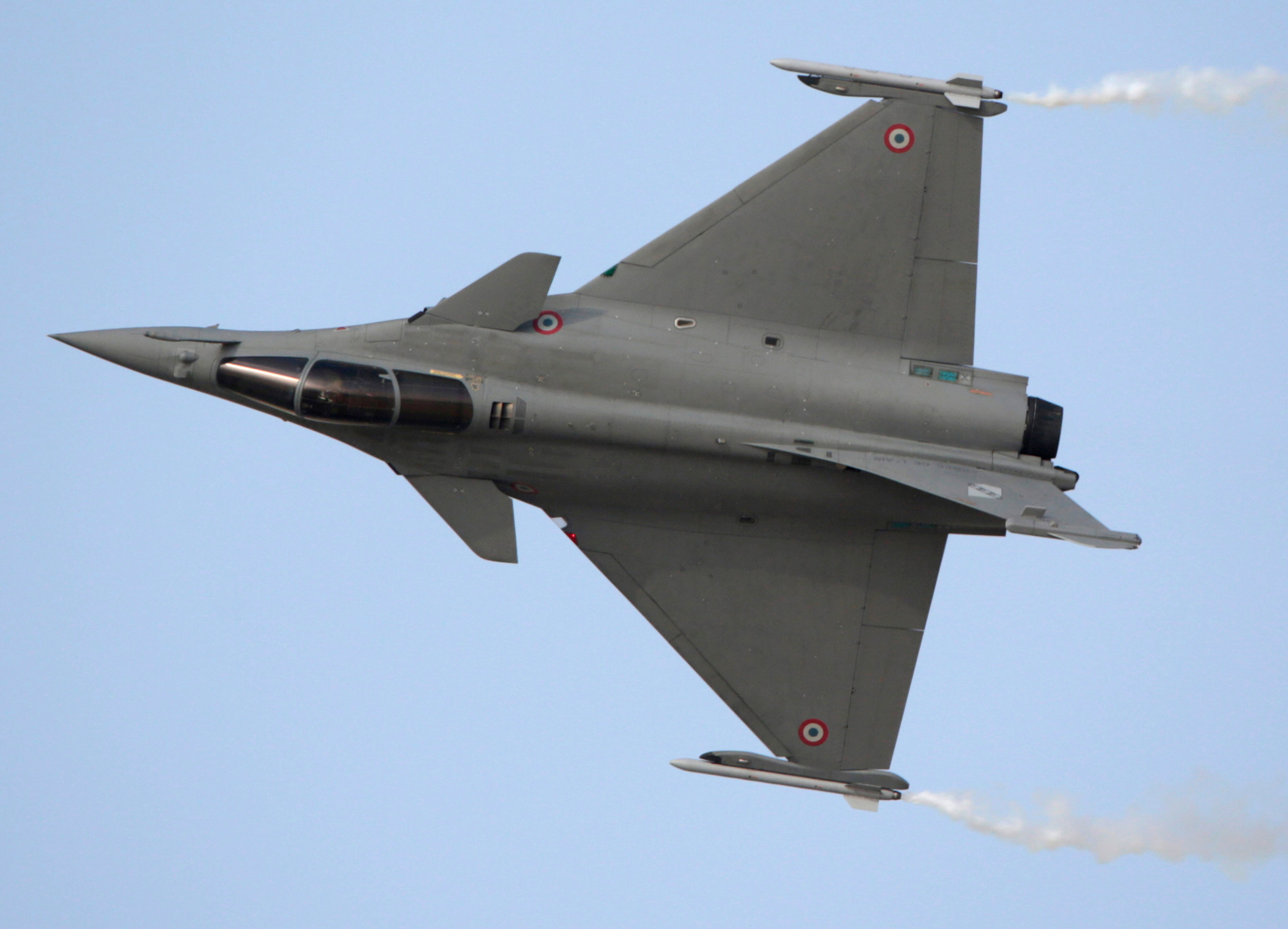
The focus is back on India's Rs 59,000-crore purchase of Rafale fighter jets after a report by the Hindu newspaper said the hurried deal led to India paying 41 percent more for the aircraft.
N Ram, a veteran journalist and the Hindu group chairman, in an article broke down the increase in price of each of the 36 aircraft India bought from France's Dassault Aviation. That provides more fuel to the opposition that has accused Prime Minister Narendra Modi of causing a loss to the nation by pushing for an Anil Ambani's Reliance Group company as a partner for the deal. The government has denied lobbying for Ambani.
N Ram told BloombergQuint that his findings show that India negotiated poorly with Dassault Aviation, possibly because the Prime Minister had already announced the deal. The 1.3-billion euros charged by Dassault Aviation as “design and development” costs for enhancements to the planes that India specifically wanted worked out more expensive because the size of the order was reduced from 126 aircraft to 36, he said.
He argues that in light of a smaller order size, the Indian negotiating team ought to have pushed for lowering the ‘design and development' costs that pushed up the price of each plane by up to 41 percent compared with what was negotiated in 2017.
Dassault refused to budge on this and it is certainly controversial that the Indian government was not able to prevail. Mr. Modi needs to take responsibility for this.N.Ram, Chairman. The Hindu Publishing Group

Watch the interview with N.Ram here

-
Talking Points This Week: Tech Nerves, FII Buying, And A Faraway Banking Shock

The global markets are not shining this Diwali. The exception in the large markets is, India.
-
Midterm Rally Lasted A Day. The Hard Reality Of A Divided US May Last Two Years | Opinion
Between a contested AI boom, a debt ceiling that arrives in 2027 and a president with every incentive to act alone, the next two years may prove more volatile than the first day's rally suggests.
-
Blue Wave Will Derail the AI Trade but Won't Dismantle the AI Era | Unhedged Position
The Democrats' sweep of the US Congress will see politics collide with economic forces both over the long and short term.
-
It's Time To Take The GST Council's Bet On Trust Global
Payment records can prove India's services exports, and clear, proportionate rules can bring foreign digital sellers into the tax net.
-
Opinion | India at 38: From Innovation Overperformer to Innovation Powerhouse
India now has 453 VC-backed deep science startups, 18 of them late-stage, after 117 percent growth since 2020. Laurus Labs, at USD 9.3 billion, is the most valuable deep science company in any middle-income economy outside China.
-
Navigating Energy Crossroads: S Jaishankar's Call For Diversified Supply Chains At G20 Ministerial Meeting
As geopolitical fault lines continue to test maritime trade routes and commodity flows, Jaishankar's message remains pertinent: true economic resilience requires open markets, protected transit lines, and a genuine commitment to multilateral cooperation rather than coercion.
-
Indians Are Travelling, But Not Every Journey Is A Holiday | The Week In Whys
Pilgrims, patients and working women are the real travellers, and the system hasn't quite caught up with them.
-
Getting To Work Costs Women More | The Reason Why
It is not just about women paying more than men. It is about women paying much more in cities than in villages.
-
AI Bias In Investing Cannot Be Eliminated, But It Can Be Governed
Framing is a particularly important example as identical financial information presented in terms of gains rather than losses can lead an LLM to reach a different assessment.









