Firms Witness Boost After IBC Resolution, But Timely Process Elusive: IIM Report
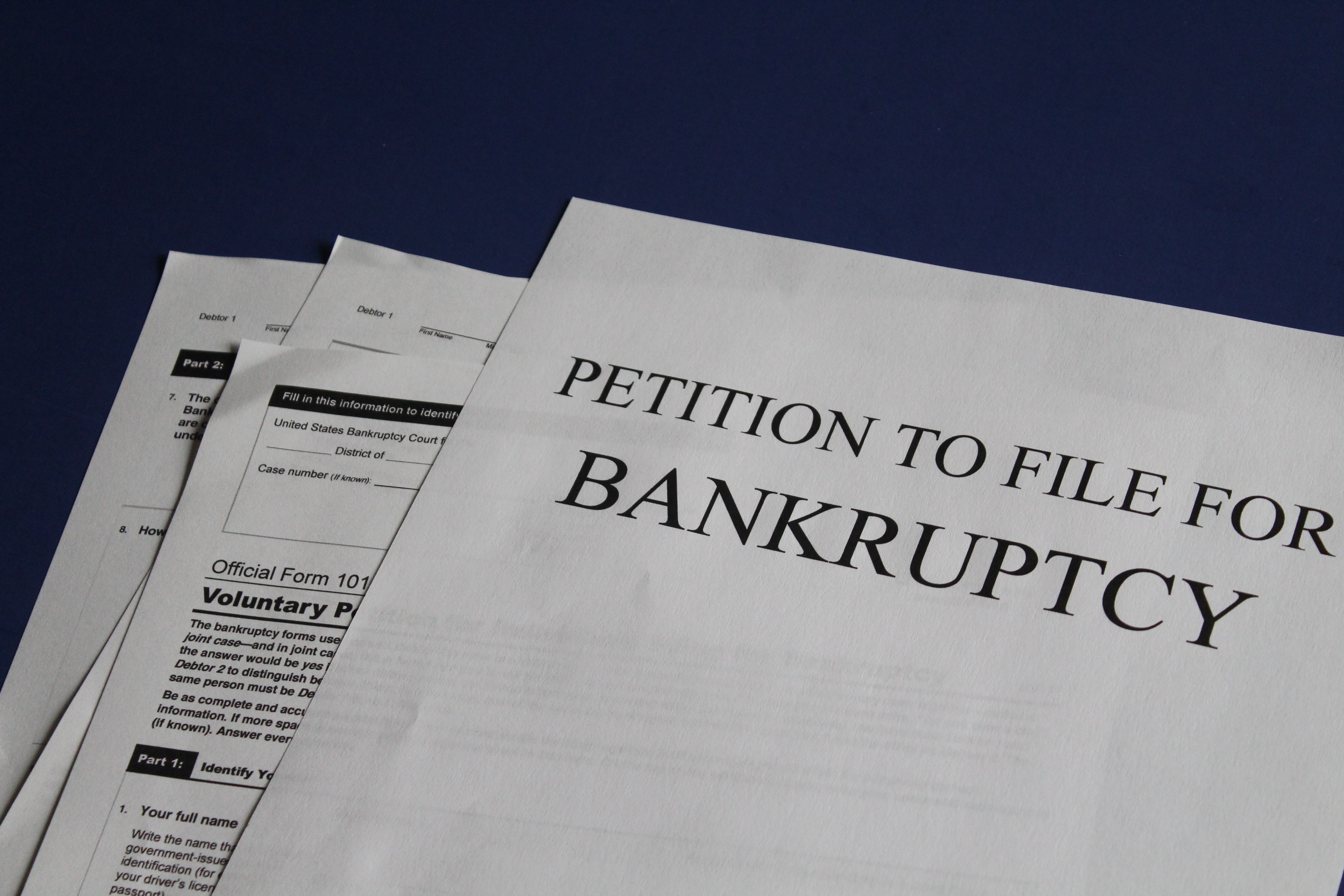
After going through the resolution process under the Insolvency and Bankruptcy Code, there have been noteworthy improvements in various business indicators of companies, according to a report by IIM Ahmedabad.
An uptick of 76% has been observed in average sales of companies in the three years after resolution, according to the report issued in August. It indicated a similar trend in the profitability of the firms as well. The total employment across companies also showed a substantial increase in the post-resolution period.
Apart from this, asset turnover also increased after resolution under the IBC. A higher asset turnover indicates the firms are generating more revenue. The report said that an increase of about 53% in asset turnover is observed among firms in the three years after resolution.
It is the efforts of white knights which are showing results in the post-resolution world.Veena Sivaramakrishnan, Partner, Shardul Amarchand Mangaldas
In addition to the monetary investment made by strategic players as resolution applicants, it is evident that there is time, effort, and strategy invested, said Veena Sivaramakrishnan, partner at Shardul Amarchand Mangaldas and Co.
"After all, there are no free lunches, and the fact that the strategic players have used the opportunity gap given by IBC to their commercial advantage is evident. This also indicates the intrinsic enterprise value of the assets under resolution."
The report highlighted that the recovery rate for creditors is the highest in the hotel and restaurant industries and the lowest in the electricity, gas, and water supply industries. It said that the highest recovery rates are not for asset-heavy industries but rather for asset-light industries with substantial intangible assets.
Most of the time, the companies that provide electricity, gas, and water have contracts with private parties, said Yogendra Aldak, partner at Lakshmikumaran & Sridharan. A lot of these contracts have a clause that lets the private parties terminate the contract if the company goes into insolvency resolution, he said.
The hotel and restaurant segment depends mostly on its day-to-day business, which remains unaffected by the resolution process as it keeps functioning as a going concern, said Aldak.
Apart from the positives highlighted in the report, there are some negatives in terms of the outcomes of the insolvency process as well.
The market participants have highlighted the need for business and domain-specific knowledge training for resolution professionals to ensure appropriate and timely decision-making.
To have an efficient resolution, the one-size-fits-all approach of resolution professionals needs to change. It is a complex job filled with a multitude of responsibilities, and domain knowledge coupled with training will go a long way in ensuring timely resolution of cases, which is the ultimate intent of the code, Sivaramakrishnan said.
Despite being a timebound process that must be completed within 270 days of its initiation, the resolution process still gets mired in delays due to a variety of reasons. Experts emphasised that claims and bids are sometimes put in at the last moment. This, coupled with appeals filed before courts and tribunals, further delays the process.
A time-bound resolution process can reduce inefficiencies and provide a higher realisation of claims for creditors, according to the report.
The problem is not the absence of timelines, but the seriousness with which these timelines are dealt with.Yogendra Aldak, Partner, Lakshmikumaran & Sridharan
While the code provides for the time period within which claims have to be submitted, a leeway has been given for the period to be extendable till the approval of the resolution plan, Aldak said. Similarly, while a resolution has to be completed within 270 days, the period of litigation is excluded.

-
Navigating Energy Crossroads: S Jaishankar's Call For Diversified Supply Chains At G20 Ministerial Meeting

As geopolitical fault lines continue to test maritime trade routes and commodity flows, Jaishankar's message remains pertinent: true economic resilience requires open markets, protected transit lines, and a genuine commitment to multilateral cooperation rather than coercion.
-
Indians Are Travelling, But Not Every Journey Is A Holiday | The Week In Whys
Pilgrims, patients and working women are the real travellers, and the system hasn't quite caught up with them.
-
Getting To Work Costs Women More | The Reason Why
It is not just about women paying more than men. It is about women paying much more in cities than in villages.
-
AI Bias In Investing Cannot Be Eliminated, But It Can Be Governed
Framing is a particularly important example as identical financial information presented in terms of gains rather than losses can lead an LLM to reach a different assessment.
-
Joining The Dots | Dark Skies, Steady Diya: Why Hope Holds This Diwali
With war, a weak rupee and foreign outflows weighing on sentiment, policymakers at the NDTV World Summit and market veterans at NDTV Profit Ignite: Diwali Edition offered the same advice: stay invested and filter out the noise.
-
The Curious Case of Equitas Small Finance Bank And A CEO Who Quit For Stock
PN Vasudevan believes persistent investor concerns over a perceived conflict of interest had become a governance overhang on Equitas Small Finance Bank's stock, even as the lender improved profitability and asset quality.
-
Talking Points This Week: AI Cash Burn, A Tiger Comeback And An India That Still Finds Its Own Path
India is not immune to higher oil or tighter global liquidity, yet its earnings base is broader, its domestic policy levers are still available.
-
Foreign Investors Own Half Of HDFC Bank and ICICI Bank. An LTCG Cut Could Matter Most Here
Foreign portfolio investors have US$115 billion parked in HDFC Bank, ICICI Bank. If the government cuts long-term capital gains tax, Jefferies says returning foreign money could land here first.
-
'Never Seen This Level Of Negativity': Sandeep Tandon Says The Next Rally May Be Closer Than You Think
Veteran investor Sandeep Tandon says foreign selling is easing, large-caps are due a comeback and mid-caps are crowded, while he turns positive on gold, power and pharma this Diwali.
-
Indians Stay With Family, Not In Hotels | The Reason Why
India still lacks enough clean, reliable and affordable hotels for budget-conscious travellers.










