Electricity Usage Of Up To 200 Units Is Now Free In Delhi
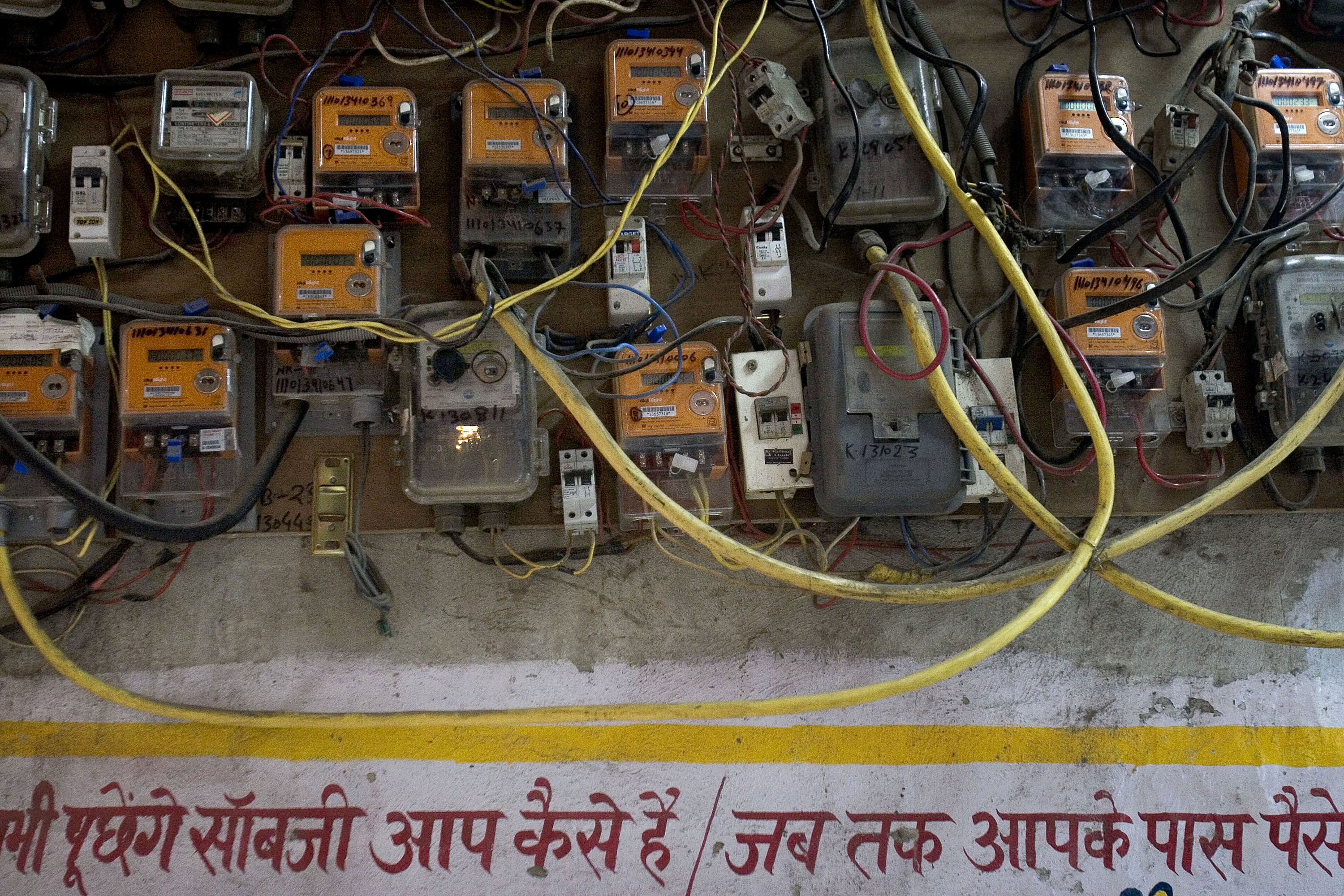
Delhi Chief Minister Arvind Kejriwal said today people in the national capital won't have to pay for electricity if their monthly power usage is within 200 units.
Kejriwal said at a conference that households consuming between 201 and 401 units of electricity will get 50 percent subsidy from the government. The decision—which comes a year ahead of the assembly elections—is effective from Thursday.
“People used to pay Rs 622 for 200 units of electricity till yesterday, now it's free,” the Delhi chief minister said. “For 250 units they used to pay Rs 800, now they'll pay Rs 252. For 300 units, they used to pay Rs 971, now they'll pay Rs 526. For 400 units, they used to pay Rs 1,320, now they'll pay Rs 1,075.”
The Delhi government would reimburse the balance amount to electricity distribution companies, Padmini Singla, secretary of power in Delhi government, told BloombergQuint over the phone. “We were already giving subsidy of Rs 2 per unit for electricity consumption between 0 and 200 units. Now, we have made electricity usage of up to 200 units completely free,” she said. “For electricity bills of 200 units to 400 units, the subsidy amount is up to Rs 800. Government has its own kitty, we'll pay to the discoms through it.”
The Delhi Electricity Regulatory Commission had announced new electricity tariff for 2019-20 yesterday, in which it reduced fixed charges and raised energy charges
A spokesperson for Tata Power Company Ltd., which supplies electricity to Delhi and the national capital region, refused comment, saying it's a regulatory decision.

-
A New Samvat Wishlist: Inclusive Prosperity And Human Development

India has strengthened its economic foundations through infrastructure, digital access and enterprise. Its next growth chapter must deepen productivity, create better livelihoods and widen participation in prosperity.
-
Love, Sex Aur Dhokha: The Audacious Plot To Spy On Jensen Huang
A Taipei dinner, a Singapore chip buyer and a suspected Chinese asset: inside the alleged spy operation that got close to NVIDIA's Jensen Huang.
-
Ten Things I Learnt This Samvat
Patience can be a trap. Cheap stocks can stay cheap. Leverage can wipe you out. What did Samvat 2082 teach us? Niraj Shah writes on 10 lessons from the year gone by.
-
Talking Points This Week: Tech Nerves, FII Buying, And A Faraway Banking Shock
The global markets are not shining this Diwali. The exception in the large markets is, India.
-
Midterm Rally Lasted A Day. The Hard Reality Of A Divided US May Last Two Years | Opinion
Between a contested AI boom, a debt ceiling that arrives in 2027 and a president with every incentive to act alone, the next two years may prove more volatile than the first day's rally suggests.
-
Blue Wave Will Derail the AI Trade but Won't Dismantle the AI Era | Unhedged Position
The Democrats' sweep of the US Congress will see politics collide with economic forces both over the long and short term.
-
It's Time To Take The GST Council's Bet On Trust Global
Payment records can prove India's services exports, and clear, proportionate rules can bring foreign digital sellers into the tax net.
-
Opinion | India at 38: From Innovation Overperformer to Innovation Powerhouse
India now has 453 VC-backed deep science startups, 18 of them late-stage, after 117 percent growth since 2020. Laurus Labs, at USD 9.3 billion, is the most valuable deep science company in any middle-income economy outside China.
-
Navigating Energy Crossroads: S Jaishankar's Call For Diversified Supply Chains At G20 Ministerial Meeting
As geopolitical fault lines continue to test maritime trade routes and commodity flows, Jaishankar's message remains pertinent: true economic resilience requires open markets, protected transit lines, and a genuine commitment to multilateral cooperation rather than coercion.









