Covid 19: Telangana High Court Offers Relief To Borrowers Under One-Time Settlement Schemes
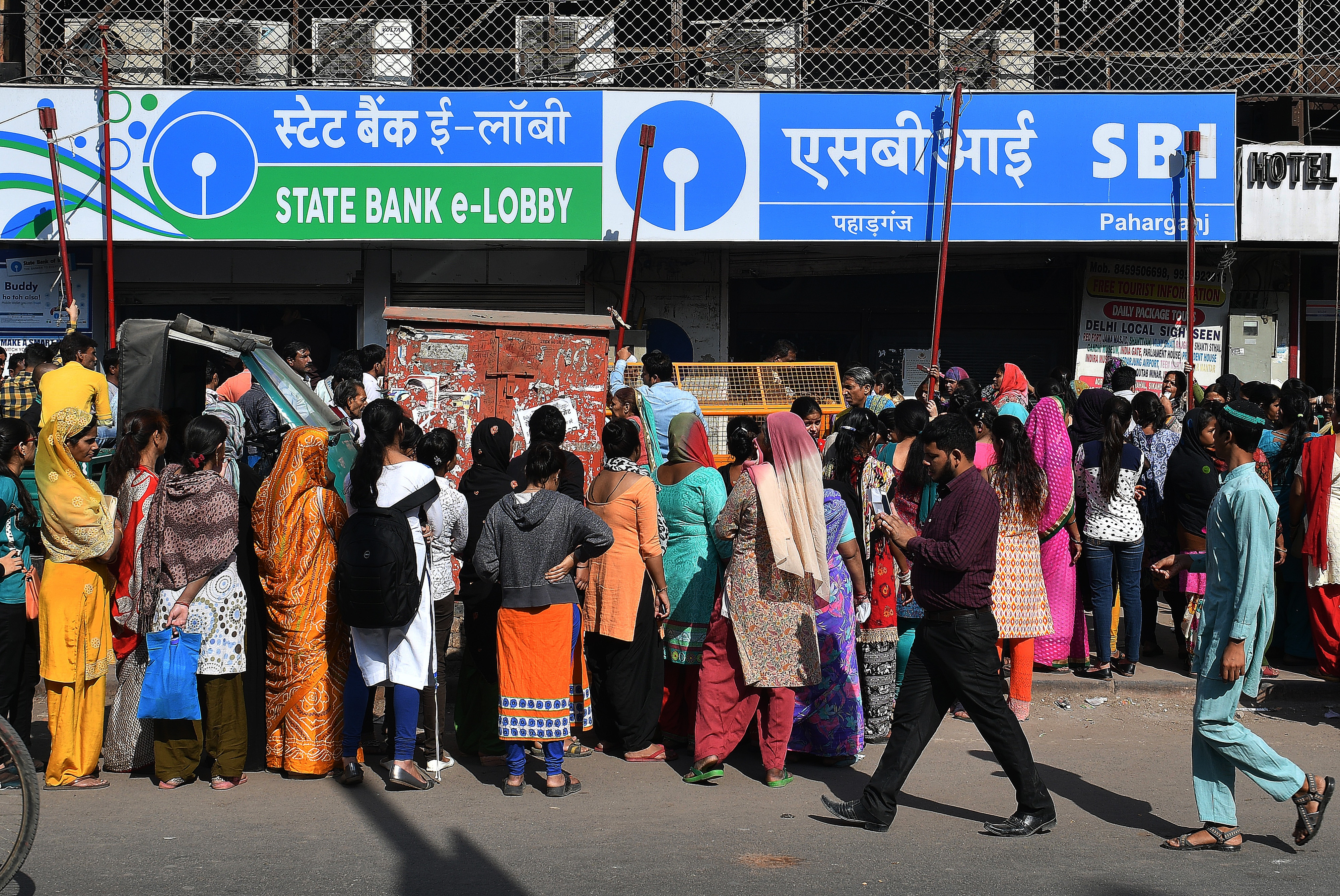
The Telangana High Court, citing disruption caused by the pandemic, directed State Bank of India to extend the payment window by 90 days for stressed businesses that availed one-time settlement schemes to repay debt.
Yadadri Lifesciences, a Hyderabad-based pharmaceuticals company, had moved the court challenging SBI's denial to extend the time limit for payment of one-time settlement amount by 90 days. While the company had paid 20%, it could not repay the outstanding.
Banks, including SBI, Bank of Baroda, Indian Overseas Bank and other public sector lenders, introduced one-time settlement schemes last year for accounts that defaulted on payments or were classified as non-performing assets. Borrowers are allowed to repay a prescribed percentage of the outstanding within a specified timeline. SBI allowed borrowers to make payments till June 30.
The counsel for the pharma company argued that its operations were running at less than half its capacity, which necessitates extension of the payment window. As such, denial by SBI was "illegal" and "arbitrary", the company stated before the court.
The bank opposed the extension arguing that it had already extended the timelines for payment under the one-time settlement for all borrowers by three months till June. But, it said, Yadadri Lifesciences failed to make payments during this extension and was not entitled to any further relief.
A division bench comprising Justice A Rajasheker Reddy and Justice K Lakshman observed that any further extension in the timelines can violate the scheme itself. But the court also noted that the current situation caused due to the Covid-19 outbreak is extraordinary and affects the entire humanity.
It granted a conditional extension to Yadadri Lifesciences till August and directed it to deposit 25% of the outstanding amount by July and the rest by August end.
Payments by borrowers under one-time settlement can't generally be extended, but an extension can be granted by banks under extraordinary circumstances if the borrower proves its bona fide intentions, Anjan Dasgupta, partner at DSK Legal, said. Many public sector banks may face similar challenges as several borrowers have already defaulted or are expected to default on their settlement payments during these unprecedented times, he said.
Even borrowers who have otherwise maintained standard accounts without any defaults may likely approach the concerned high courts to direct public sector banks to defer payments in case they are faced with similar stress due to Covid-19.Anjan Dasgupta, Partner, DSK Legal
So far, courts have taken a sympathetic view towards beleaguered companies who have been hit by the outbreak and the resultant lockdown imposed by the central government. The Delhi High Court recently restrained Yes Bank Ltd. from declaring Anant Raj Ltd. as an NPA.
Similarly, the Bombay High Court provided relief to two real estate companies by restraining ICICI Bank on similar grounds. It also restrained debenture trustees from selling shares of Future Retail and MEP Infrastructure Developers after a steep decline in the equity markets.

-
Unhedged Position | Blue Wave Will Derail the AI Trade but Won't Dismantle the AI Era

The Democrats' sweep of the US Congress will see politics collide with economic forces both over the long and short term.
-
It's Time To Take The GST Council's Bet On Trust Global
Payment records can prove India's services exports, and clear, proportionate rules can bring foreign digital sellers into the tax net.
-
Opinion | India at 38: From Innovation Overperformer to Innovation Powerhouse
India now has 453 VC-backed deep science startups, 18 of them late-stage, after 117 percent growth since 2020. Laurus Labs, at USD 9.3 billion, is the most valuable deep science company in any middle-income economy outside China.
-
Navigating Energy Crossroads: S Jaishankar's Call For Diversified Supply Chains At G20 Ministerial Meeting
As geopolitical fault lines continue to test maritime trade routes and commodity flows, Jaishankar's message remains pertinent: true economic resilience requires open markets, protected transit lines, and a genuine commitment to multilateral cooperation rather than coercion.
-
Indians Are Travelling, But Not Every Journey Is A Holiday | The Week In Whys
Pilgrims, patients and working women are the real travellers, and the system hasn't quite caught up with them.
-
Getting To Work Costs Women More | The Reason Why
It is not just about women paying more than men. It is about women paying much more in cities than in villages.
-
AI Bias In Investing Cannot Be Eliminated, But It Can Be Governed
Framing is a particularly important example as identical financial information presented in terms of gains rather than losses can lead an LLM to reach a different assessment.
-
Joining The Dots | Dark Skies, Steady Diya: Why Hope Holds This Diwali
With war, a weak rupee and foreign outflows weighing on sentiment, policymakers at the NDTV World Summit and market veterans at NDTV Profit Ignite: Diwali Edition offered the same advice: stay invested and filter out the noise.
-
The Curious Case of Equitas Small Finance Bank And A CEO Who Quit For Stock
PN Vasudevan believes persistent investor concerns over a perceived conflict of interest had become a governance overhang on Equitas Small Finance Bank's stock, even as the lender improved profitability and asset quality.










