Coal to Dominate India Power Mix Despite Record Renewables Push
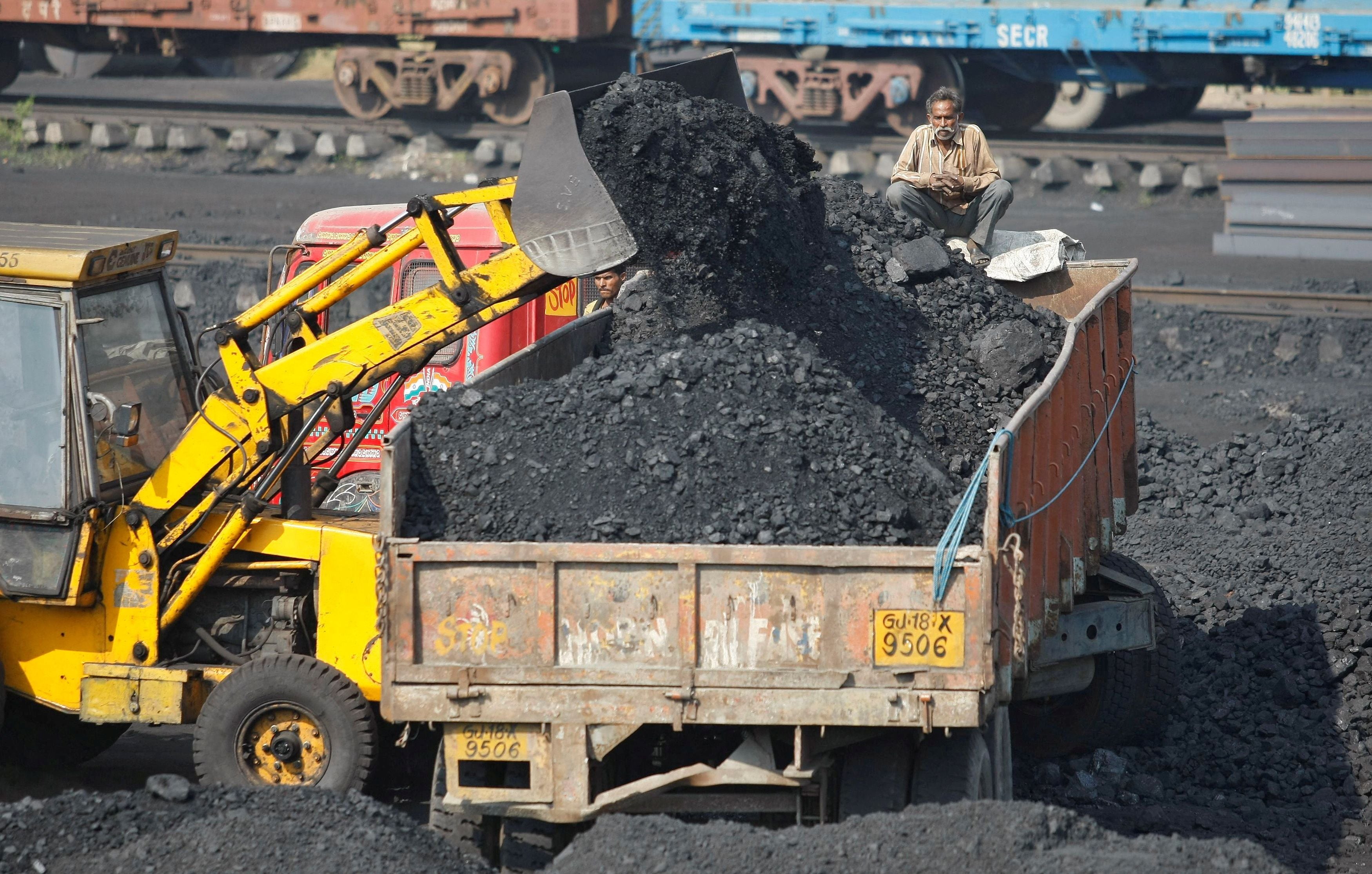
(Bloomberg) -- Coal will remain India's largest source of electricity generation by 2030 and additional new plants will be required, even as the nation adds record clean energy installations to hit climate targets.
India, the world's third-largest emitter, is seeking to meet surging electricity demand driven by rising per-capita energy consumption and a post-pandemic industrial rebound at the same time it takes action to decarbonize its power sector, according to the power ministry's Central Electricity Authority.
“Availability of affordable and reliable electricity is a key factor in sustainable growth of the country,” Ghanshyam Prasad, the authority's chairperson, said in a report.

Coal will account for about 54% of electricity generation in 2030 and as much as 46 gigawatts of additional capacity will be required alongside new renewables, the authority said in the report published Thursday. The fossil fuel currently accounts for almost three-quarters of generation and mines are striving to dig out material at a record pace to avoid shortages that caused blackouts in recent summers.
Read more: India Power Giant to Add More Coal Plants to Meet Soaring Demand
Installations of solar, wind, hydro, biomass and nuclear plants will reach more than 500 gigawatts by 2030, an almost tripling of current levels, and account for 64% of the country's generation capacity.
Prime Minister Narendra Modi's government scaled up its climate ambitions last year, setting higher targets for clean energy capacity and to reduce the emissions intensity of the economy. India is offering incentives to add more solar or wind power, and aims to become a global hub for production of green hydrogen and green ammonia.
Still, Modi's administration has previously opposed international efforts to set firm deadlines to phase out the use of coal and envisages a key role for the fuel for decades to come. About 2 gigawatts of coal-burning plants will be phased out through 2030, the report said, a fraction of an earlier plan to shutter down 25 gigawatts of old plants.
The country has 26.9 gigawatts of coal power plants in construction and new projects totalling as much as 19.1 gigawatts may need to be built, according to the authority's report.

Emissions from India's power sector are forecast to rise about 11% on current levels by the end of the decade to 1,114 million tons of carbon dioxide, according to the authority. Globally, pollution linked to electricity generation may have peaked last year and in 2022 and will begin to fall this year, climate think-tank Ember said last month.
More stories like this are available on bloomberg.com
©2023 Bloomberg L.P.

-
Ten Things I Learnt This Samvat

Patience can be a trap. Cheap stocks can stay cheap. Leverage can wipe you out. What did Samvat 2082 teach us? Niraj Shah writes on 10 lessons from the year gone by.
-
Talking Points This Week: Tech Nerves, FII Buying, And A Faraway Banking Shock
The global markets are not shining this Diwali. The exception in the large markets is, India.
-
Midterm Rally Lasted A Day. The Hard Reality Of A Divided US May Last Two Years | Opinion
Between a contested AI boom, a debt ceiling that arrives in 2027 and a president with every incentive to act alone, the next two years may prove more volatile than the first day's rally suggests.
-
Blue Wave Will Derail the AI Trade but Won't Dismantle the AI Era | Unhedged Position
The Democrats' sweep of the US Congress will see politics collide with economic forces both over the long and short term.
-
It's Time To Take The GST Council's Bet On Trust Global
Payment records can prove India's services exports, and clear, proportionate rules can bring foreign digital sellers into the tax net.
-
Opinion | India at 38: From Innovation Overperformer to Innovation Powerhouse
India now has 453 VC-backed deep science startups, 18 of them late-stage, after 117 percent growth since 2020. Laurus Labs, at USD 9.3 billion, is the most valuable deep science company in any middle-income economy outside China.
-
Navigating Energy Crossroads: S Jaishankar's Call For Diversified Supply Chains At G20 Ministerial Meeting
As geopolitical fault lines continue to test maritime trade routes and commodity flows, Jaishankar's message remains pertinent: true economic resilience requires open markets, protected transit lines, and a genuine commitment to multilateral cooperation rather than coercion.
-
Indians Are Travelling, But Not Every Journey Is A Holiday | The Week In Whys
Pilgrims, patients and working women are the real travellers, and the system hasn't quite caught up with them.
-
Getting To Work Costs Women More | The Reason Why
It is not just about women paying more than men. It is about women paying much more in cities than in villages.









