CCI's Draft Settlement Rules 'Critical First Step', But More Clarity Needed
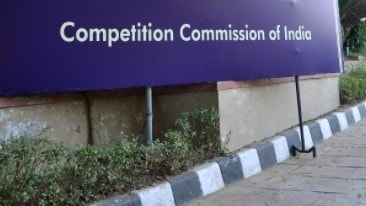
The Competition Commission of India's draft settlement rules aim to offer a way out of protracted litigation to companies but may require some clarity on aspects like the quantum to be paid, according to legal experts.
Multinational corporations have used settlement terms in other jurisdictions to mitigate antitrust and competition law inquiries. In India, such an option was not available under existing laws. A final framework may allow even large companies like Google LLC that are facing legal action over alleged unfair business practices to opt for it.
The commission recently came up with a draft and has asked for public feedback by Sept. 13. The CCI proposes specific deadlines, criteria for evaluation, and fines to make it easier to understand and be more transparent in cases involving unfair competition. The application must be filed within 60 days of receiving the director general's investigation report.
The draft rules are the "critical first step" before the final regulations, said Aman Singh Sethi, partner at Shardul Amarchand Mangaldas and Co. A successful settlement will lead to a quicker resolution of cases, a faster market correction, and the preservation of the CCI's time and resources spent in finalising and defending a contravention order in appeal, he said.
Under the new rules, a party found in contravention of the Competition Act by the CCI director general can file a settlement application. The CCI will consider the application if it finds that the proposed terms of the settlement are in the public interest.
While the settlement amount will vary from case to case, the draft regulations say that the CCI may impose a maximum penalty that could have been imposed if the case had gone through a full investigation.
The new settlement regulations, along with making the commission's decision under Section 48A non-appealable, are set to reduce protracted litigation battles, according to Manmeet Kaur from Karanjawala & Co.
The government further incentivises these regulations by allowing the CCI to apply a discount of up to 15% on the determined settlement amount, making it a viable choice.
Enterprises seeking settlement are required to provide full and complete disclosure of contraventions. According to Kaur, the regulations allow the commission to use this information not only against the applicant but also against other parties in the inquiry that are not part of the settlement.
That will aid in achieving the objectives of the Competition Act and result in expeditious market corrections, she said.
Still, according to Ravisekhar Nair, partner at ELP, there are some key aspects that need to be clarified or modified before they are implemented. He cited shortcomings in the rules regarding the withdrawal of settlement applications and setting the settlement amount.
The final regulations should clarify whether, in the event of a withdrawal, the information provided by a party to the CCI will also be considered withdrawn and whether the CCI can or cannot use such information against any party in its inquiry.Ravisekhar Nair, Partner, ELP
According to the draft regulations, the settlement amount may be the same as the potential penalty under the Competition Act. The option may become more appealing to parties if the amount is capped at a percentage of the maximum penalty, Nair said.
GR Bhatia, a partner at Luthra and Luthra, said the draft regulations are currently undergoing a consultative process and, hopefully, the notified ones will be more balanced and meet the expectations of all stakeholders.

-
Navigating Energy Crossroads: S Jaishankar's Call For Diversified Supply Chains At G20 Ministerial Meeting

As geopolitical fault lines continue to test maritime trade routes and commodity flows, Jaishankar's message remains pertinent: true economic resilience requires open markets, protected transit lines, and a genuine commitment to multilateral cooperation rather than coercion.
-
Indians Are Travelling, But Not Every Journey Is A Holiday | The Week In Whys
Pilgrims, patients and working women are the real travellers, and the system hasn't quite caught up with them.
-
Getting To Work Costs Women More | The Reason Why
It is not just about women paying more than men. It is about women paying much more in cities than in villages.
-
AI Bias In Investing Cannot Be Eliminated, But It Can Be Governed
Framing is a particularly important example as identical financial information presented in terms of gains rather than losses can lead an LLM to reach a different assessment.
-
Joining The Dots | Dark Skies, Steady Diya: Why Hope Holds This Diwali
With war, a weak rupee and foreign outflows weighing on sentiment, policymakers at the NDTV World Summit and market veterans at NDTV Profit Ignite: Diwali Edition offered the same advice: stay invested and filter out the noise.
-
The Curious Case of Equitas Small Finance Bank And A CEO Who Quit For Stock
PN Vasudevan believes persistent investor concerns over a perceived conflict of interest had become a governance overhang on Equitas Small Finance Bank's stock, even as the lender improved profitability and asset quality.
-
Talking Points This Week: AI Cash Burn, A Tiger Comeback And An India That Still Finds Its Own Path
India is not immune to higher oil or tighter global liquidity, yet its earnings base is broader, its domestic policy levers are still available.
-
Foreign Investors Own Half Of HDFC Bank and ICICI Bank. An LTCG Cut Could Matter Most Here
Foreign portfolio investors have US$115 billion parked in HDFC Bank, ICICI Bank. If the government cuts long-term capital gains tax, Jefferies says returning foreign money could land here first.
-
'Never Seen This Level Of Negativity': Sandeep Tandon Says The Next Rally May Be Closer Than You Think
Veteran investor Sandeep Tandon says foreign selling is easing, large-caps are due a comeback and mid-caps are crowded, while he turns positive on gold, power and pharma this Diwali.
-
Indians Stay With Family, Not In Hotels | The Reason Why
India still lacks enough clean, reliable and affordable hotels for budget-conscious travellers.










