Caste, Unemployment Amplify Climate-Linked Migration In India

People from marginalised communities and those without the safety net of a job are more likely to migrate out of areas hit by climate-linked disasters, a new study has shown.
“The most vulnerable people are being hit first and worst by the impacts of climate change," Ritu Bharadwaj, principal researcher at the International Institute of Environment and Development and the lead author of the paper said.
"Those people already living on the margins of society are much more likely to be forced to leave their homes in the aftermath of extreme weather events and find ways to make a living elsewhere, and in turn, that leaves them open to exploitation.”
IIED's study analysed two distinct contexts of climate-related events that drove migration: the slow onset of a drought in Jharkhand, and the rapid onset of floods and cyclone in Odisha.
According to the study, in Palamu, Jharkhand, being from a scheduled caste or scheduled tribe increased the odds of migration by 338% compared to those belonging to the general caste category.
Caste did not have a statistically significant impact in Kendrapara, Odisha, as the community largely belongs to the general category and does not face the same social discrimination, the study noted.
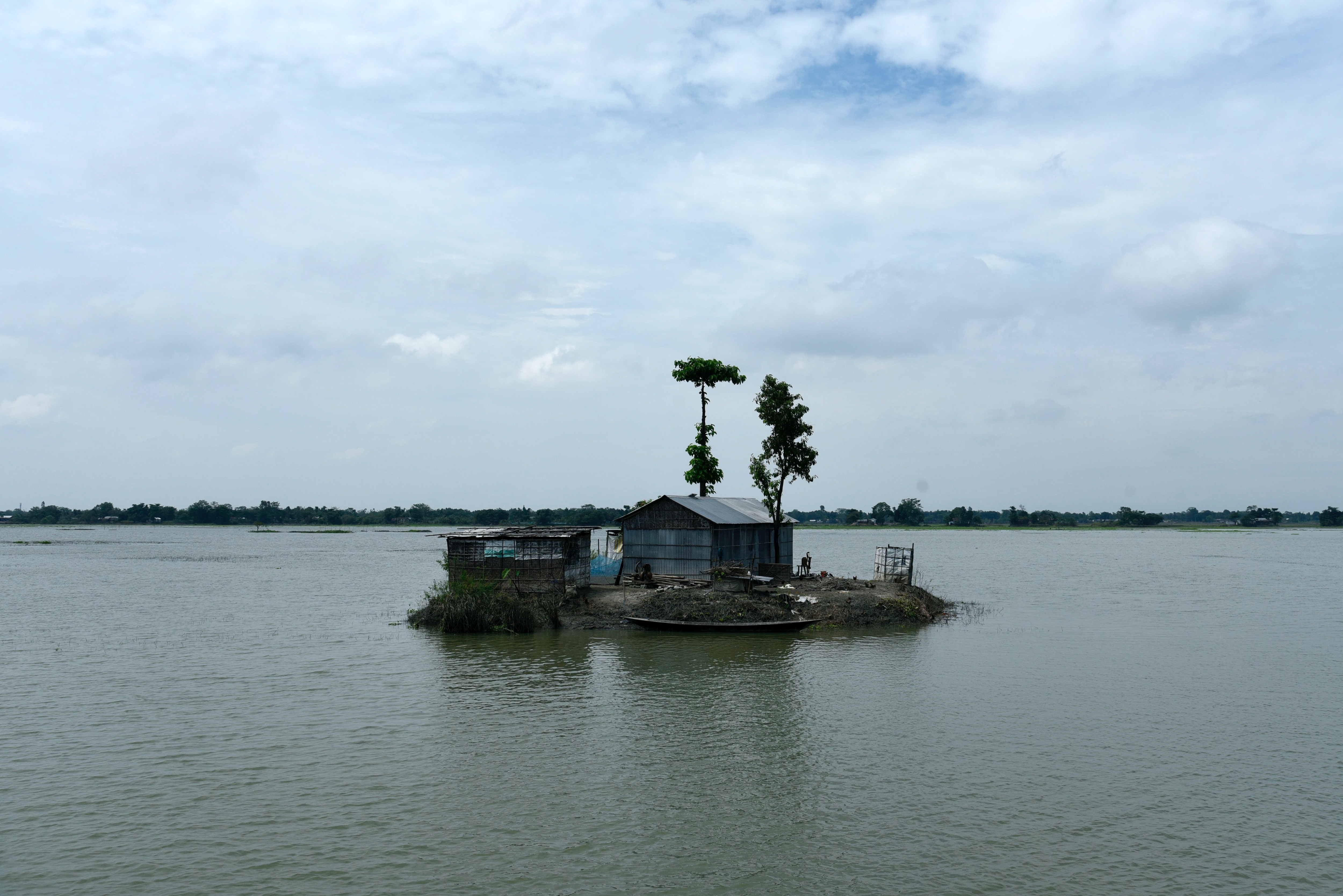
A stranded house in Barpeta, India in the aftermath of a flood. Image used for representation. (Source: Unsplash)
Caste is not the only thing having a bearing on migration though.
In Kendrapara, the study found that losing property or goods due to flooding or cyclone raised the likelihood of migration by 687%, while in Palamu it increased by 172%.
Access to work was another key factor.
Those who had a job card under India's rural jobs guarantee scheme were less likely to migrate out of disaster-hit areas. Getting work under the Mahatma Gandhi National Rural Employment Guarantee Scheme could reduce the odds of migration by 66% in rapid-onset contexts and 59% in slow-onset contexts, it said.
The study highlights the lack of a comprehensive social protection system to address India's increasing migration risk due to climate change. The country is most vulnerable in South Asia to internal displacements triggered by disasters. It accounts for a fifth of all such displacement in Asia.
While migration can help people cope during a climate crisis, it also exacerbates several other socioeconomic and health risks. It may lead to breaking up of families as the men migrate in search of jobs, while women stay behind overburdened with running the household on their own. Women who migrate also risk being exposed to sexual exploitation, overwork and hard living conditions, the study noted.
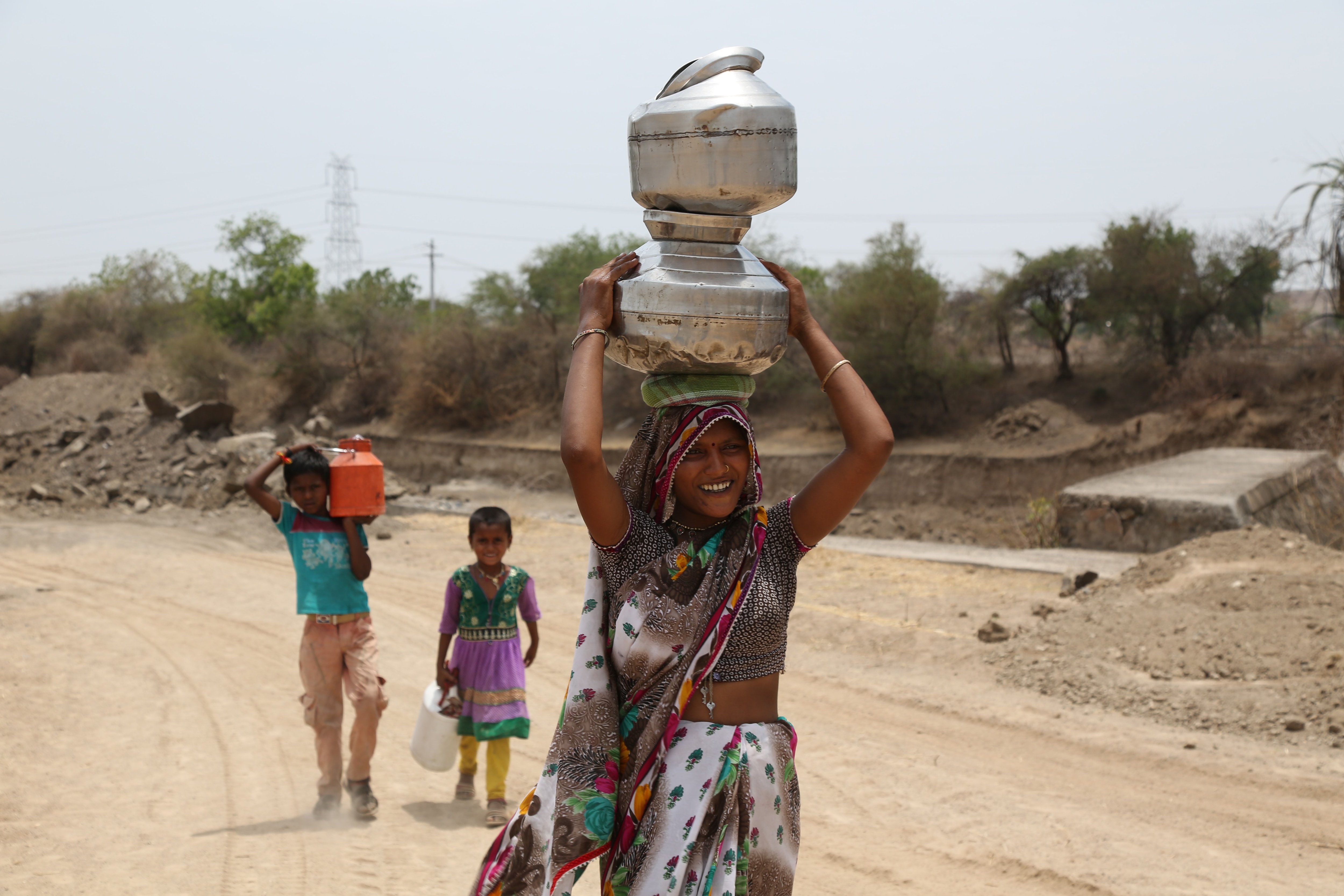
Migration raises the risk of exploitation for women. Image used for representation. (Source: Unsplash)
Migrants have little bargaining power due to their desperation for work. They have to rely on informal jobs where workplace safety is largely disregarded. They are paid less and often forced to overwork in hazardous conditions, the study said. It also raises the risk of human trafficking, particularly among SC/ST communities.
Problems also emerge for areas that are receiving the influx of migrants as they are inadequately prepared to accommodate them with basic shelter and sanitation facilities. This forces migrants to live in unsanitary conditions raising the risk of disease.
"The challenges faced by migrants are primarily created because social protection programmes and labour market regulations work in siloes," the study said. "They are not designed to address the needs of migrants or consider climate vulnerability in their design framework, both at migration destination and source sites."
Right now, the study points, most policies addressing this are reactive, like providing shelter or temporary relief camps. It calls for a comprehensive system and makes recommendations to support migrant families in all three stages of mobility: before, during and after migration.
"Our research also shows all is not lost," Bharadwaj said. "Providing a social safety net and improving employment opportunities could go a long way to ensure people escaping crop failure, sea-level rise or lack of water are able to lead safe and dignified lives.”

-
Love, Sex Aur Dhokha: The Audacious Plot To Spy On Jensen Huang

A Taipei dinner, a Singapore chip buyer and a suspected Chinese asset: inside the alleged spy operation that got close to NVIDIA's Jensen Huang.
-
Ten Things I Learnt This Samvat
Patience can be a trap. Cheap stocks can stay cheap. Leverage can wipe you out. What did Samvat 2082 teach us? Niraj Shah writes on 10 lessons from the year gone by.
-
Talking Points This Week: Tech Nerves, FII Buying, And A Faraway Banking Shock
The global markets are not shining this Diwali. The exception in the large markets is, India.
-
Midterm Rally Lasted A Day. The Hard Reality Of A Divided US May Last Two Years | Opinion
Between a contested AI boom, a debt ceiling that arrives in 2027 and a president with every incentive to act alone, the next two years may prove more volatile than the first day's rally suggests.
-
Blue Wave Will Derail the AI Trade but Won't Dismantle the AI Era | Unhedged Position
The Democrats' sweep of the US Congress will see politics collide with economic forces both over the long and short term.
-
It's Time To Take The GST Council's Bet On Trust Global
Payment records can prove India's services exports, and clear, proportionate rules can bring foreign digital sellers into the tax net.
-
Opinion | India at 38: From Innovation Overperformer to Innovation Powerhouse
India now has 453 VC-backed deep science startups, 18 of them late-stage, after 117 percent growth since 2020. Laurus Labs, at USD 9.3 billion, is the most valuable deep science company in any middle-income economy outside China.
-
Navigating Energy Crossroads: S Jaishankar's Call For Diversified Supply Chains At G20 Ministerial Meeting
As geopolitical fault lines continue to test maritime trade routes and commodity flows, Jaishankar's message remains pertinent: true economic resilience requires open markets, protected transit lines, and a genuine commitment to multilateral cooperation rather than coercion.
-
Indians Are Travelling, But Not Every Journey Is A Holiday | The Week In Whys
Pilgrims, patients and working women are the real travellers, and the system hasn't quite caught up with them.









