Bombay Dyeing Vs SEBI: Regulator Violated Nature Justice Principle, Wadias Say
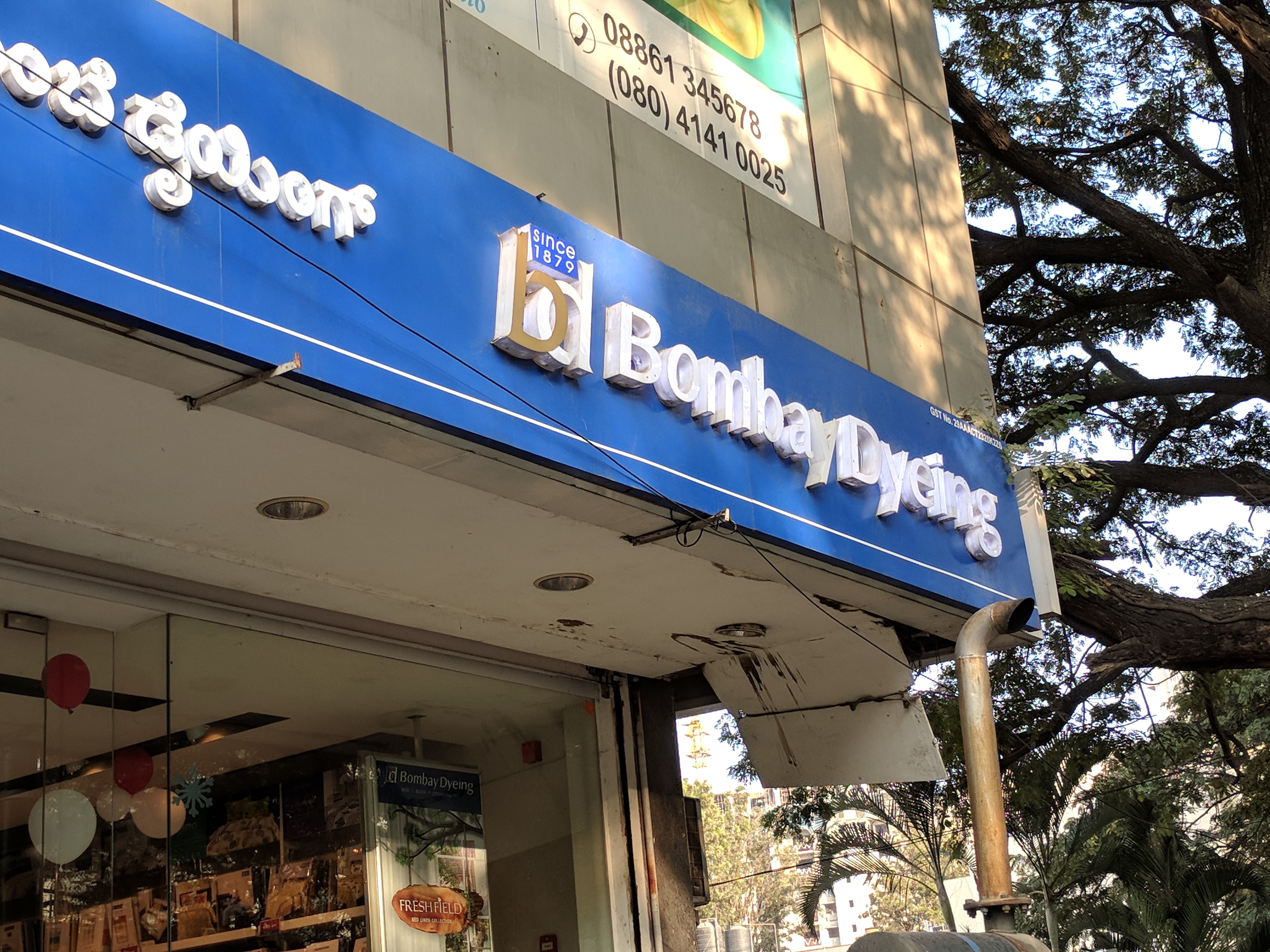
In its order against Bombay Dyeing Manufacturing Co., the Securities and Exchange Board of India has gone beyond what it alleged in the show cause notice, counsel for the company's promoters argued before the Securities Appellate Tribunal.
In doing so, the markets regulator didn't give the promoters adequate opportunity to defend themselves; thereby violating the principles of nature justice, senior advocate Darius Khambata said.
The show cause notice only accused the promoters of having the knowledge of the alleged fraudulent scheme. But, the regulator's final order concluded their deliberate involvement, Khambata argued. "SEBI has exceeded the scope of show cause notice in its order."
This is against the principles of natural justice, as one cannot be punished on a ground not made out in the show cause notice, he said.
In its October 2022 order, SEBI had barred Bombay Dyeing as well as its promoters—Nusli N. Wadia, Ness Wadia, and Jehangir Wadia—from the stock market for two years, for fraudulent misrepresentation of the company's statements. The regulator also levied a fine of Rs 15.75 crore on them. The appellate tribunal, in an interim order, had stayed the SEBI order.
According to the market regulator, Bombay Dyeing fraudulently inflated its profit between the years 2011–12 and 2017–18, by allegedly selling its flats to Scal Services Ltd. (another Wadia Group company) through a memorandum of understanding. The statement showed inflated sales of Rs 2,493 crore and profit of Rs 1,302 crore. The promoters of the company were allegedly involved in aiding and abetting this grand scheme.
If Bombay Dyeing and Scal had submitted a consolidated financial statement, these transactions would not have been reported in the financial statements, according to SEBI. This is because inter-se transactions between associate companies are excluded from consolidated financial statements.
Bombay Dyeing, by deliberately keeping its stake in Scal at 19%, saved itself from attracting the provisions for an associate company, which include an obligation to file a consolidated financial statement.
Currently, any company that holds 20% of another company would be considered an associate company.
However, according to the promoters, there is no law at present that requires the company to file a consolidated financial statement. Moreover, there is no evidence to show that the 19% stake in Scal was by design.
All allegations are purely conjectural and without any cogent evidence, Khambata said. There is also no law at present that bars bulk deals between group companies, making the MoU perfectly legal, he argued.
The matter will next be heard on May 10.

-
Ten Things I Learnt This Samvat

Patience can be a trap. Cheap stocks can stay cheap. Leverage can wipe you out. What did Samvat 2082 teach us? Niraj Shah writes on 10 lessons from the year gone by.
-
Talking Points This Week: Tech Nerves, FII Buying, And A Faraway Banking Shock
The global markets are not shining this Diwali. The exception in the large markets is, India.
-
Midterm Rally Lasted A Day. The Hard Reality Of A Divided US May Last Two Years | Opinion
Between a contested AI boom, a debt ceiling that arrives in 2027 and a president with every incentive to act alone, the next two years may prove more volatile than the first day's rally suggests.
-
Blue Wave Will Derail the AI Trade but Won't Dismantle the AI Era | Unhedged Position
The Democrats' sweep of the US Congress will see politics collide with economic forces both over the long and short term.
-
It's Time To Take The GST Council's Bet On Trust Global
Payment records can prove India's services exports, and clear, proportionate rules can bring foreign digital sellers into the tax net.
-
Opinion | India at 38: From Innovation Overperformer to Innovation Powerhouse
India now has 453 VC-backed deep science startups, 18 of them late-stage, after 117 percent growth since 2020. Laurus Labs, at USD 9.3 billion, is the most valuable deep science company in any middle-income economy outside China.
-
Navigating Energy Crossroads: S Jaishankar's Call For Diversified Supply Chains At G20 Ministerial Meeting
As geopolitical fault lines continue to test maritime trade routes and commodity flows, Jaishankar's message remains pertinent: true economic resilience requires open markets, protected transit lines, and a genuine commitment to multilateral cooperation rather than coercion.
-
Indians Are Travelling, But Not Every Journey Is A Holiday | The Week In Whys
Pilgrims, patients and working women are the real travellers, and the system hasn't quite caught up with them.
-
Getting To Work Costs Women More | The Reason Why
It is not just about women paying more than men. It is about women paying much more in cities than in villages.









