After Statistical Commission’s Members Quit, Government Tries Damage Control
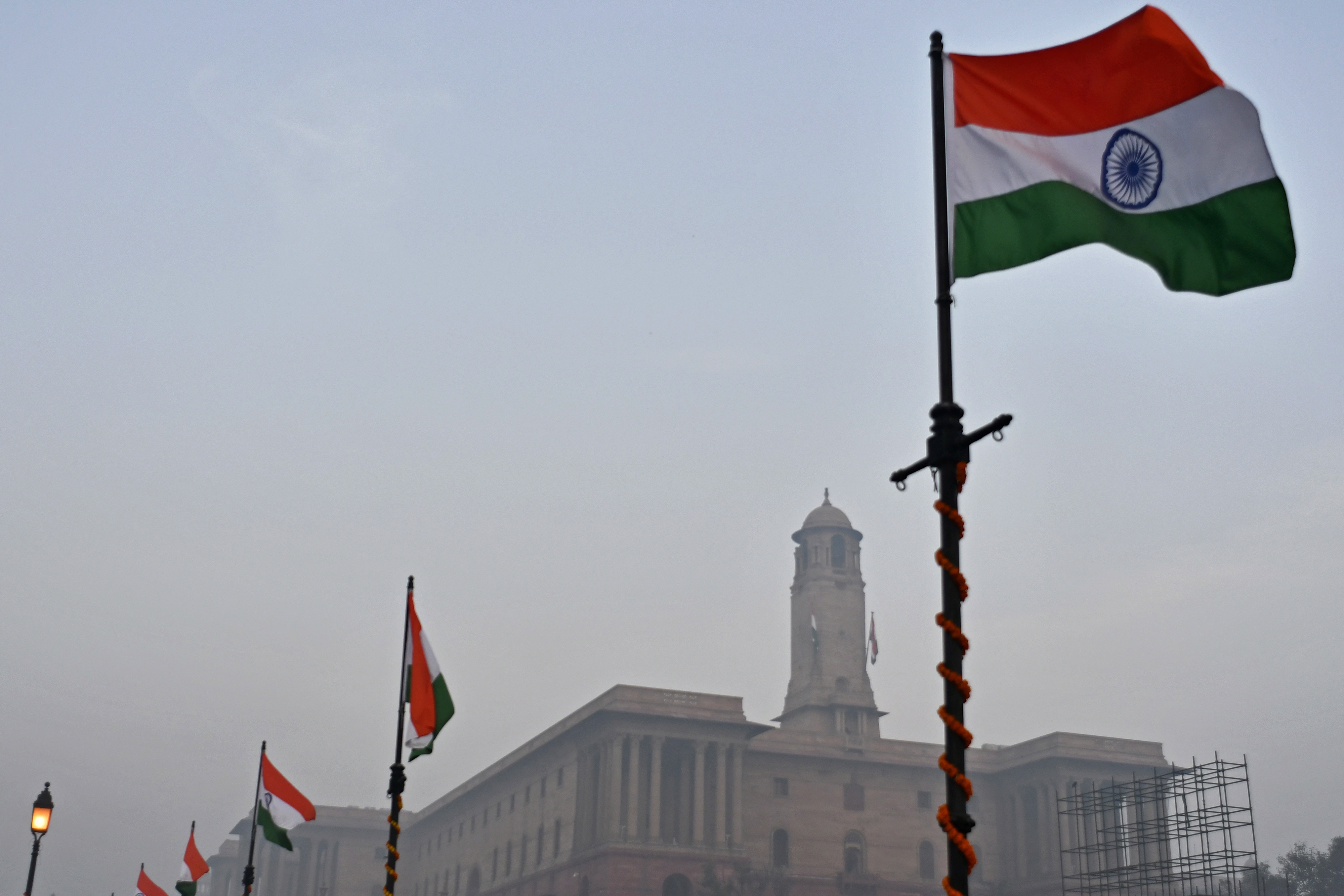
India tried to allay concerns about its jobs data two days after external members of the National Statistical Commission quit citing differences with the government.
The commission's acting chairman PC Mohanan and member JV Meenakshi, a professor at Delhi School of Economics, cited withholding the National Sample Survey Office's report on employment for 2017-18—which was vetted by the commission—among the reasons for their resignations, the Business Standard newspaper reported. “The report was approved and should have been released immediately, but wasn't," Mohanan told the newspaper. The committee now only has Chief Statistician Pravin Srivastava and NITI Aayog Chief Executive Officer Amitabh Kant as members.
The Ministry of Statistics and Programme Implementation said in a statement today it “not only places a high regard for the commission but also values its advice and on which appropriate action is taken”. It said the labour force survey conducted by the Periodic Labour Force Survey, launched in April 2017, has been designed to yield annual estimates of labour force on employment and unemployment along with quarterly estimates for urban areas. “NSSO is processing the quarterly data for the period July 2017 to December 2018 and the report will be released thereafter,” the statement said.
This comes after the government last year released official estimates for the back-data of the new GDP series which showed high growth during the NDA governments, which was significantly different from findings of a panel constituted by the committee, released earlier. The committee's members cited the government's lack of consultation before releasing the backdated GDP series as a key reason for their resignation.
The statement also said the committee was consulted before the release of back series data and “had itself urged the ministry to finalise and release it”. The official estimates of the back series of GDP were accordingly computed using the methodology adopted with 2011-12 as the base year and this was approved by the experts in the Advisory Committee on National Accounts Statistics, and later discussed in the committee, according to the statement.
The government said that keeping in view India's strong demographic dividend and around 93 percent of the informal workforce, “it is important to improve measures of employment through administrative statistics and complemented by periodic surveys”.
The ministry said it has started releasing estimates of new members enrolling in large social security schemes like the Employees' Provident Fund, Employees' State Insurance Scheme and the National Pension Scheme, adding that this is a good measure about the workforce moving towards formalisation.

-
Midterm Rally Lasted A Day. The Hard Reality Of A Divided US May Last Two Years | Opinion

Between a contested AI boom, a debt ceiling that arrives in 2027 and a president with every incentive to act alone, the next two years may prove more volatile than the first day's rally suggests.
-
Blue Wave Will Derail the AI Trade but Won't Dismantle the AI Era | Unhedged Position
The Democrats' sweep of the US Congress will see politics collide with economic forces both over the long and short term.
-
It's Time To Take The GST Council's Bet On Trust Global
Payment records can prove India's services exports, and clear, proportionate rules can bring foreign digital sellers into the tax net.
-
Opinion | India at 38: From Innovation Overperformer to Innovation Powerhouse
India now has 453 VC-backed deep science startups, 18 of them late-stage, after 117 percent growth since 2020. Laurus Labs, at USD 9.3 billion, is the most valuable deep science company in any middle-income economy outside China.
-
Navigating Energy Crossroads: S Jaishankar's Call For Diversified Supply Chains At G20 Ministerial Meeting
As geopolitical fault lines continue to test maritime trade routes and commodity flows, Jaishankar's message remains pertinent: true economic resilience requires open markets, protected transit lines, and a genuine commitment to multilateral cooperation rather than coercion.
-
Indians Are Travelling, But Not Every Journey Is A Holiday | The Week In Whys
Pilgrims, patients and working women are the real travellers, and the system hasn't quite caught up with them.
-
Getting To Work Costs Women More | The Reason Why
It is not just about women paying more than men. It is about women paying much more in cities than in villages.
-
AI Bias In Investing Cannot Be Eliminated, But It Can Be Governed
Framing is a particularly important example as identical financial information presented in terms of gains rather than losses can lead an LLM to reach a different assessment.
-
Joining The Dots | Dark Skies, Steady Diya: Why Hope Holds This Diwali
With war, a weak rupee and foreign outflows weighing on sentiment, policymakers at the NDTV World Summit and market veterans at NDTV Profit Ignite: Diwali Edition offered the same advice: stay invested and filter out the noise.









