Trump Says Nations Buying Venezuela Oil, Gas Face 25% Tariffs
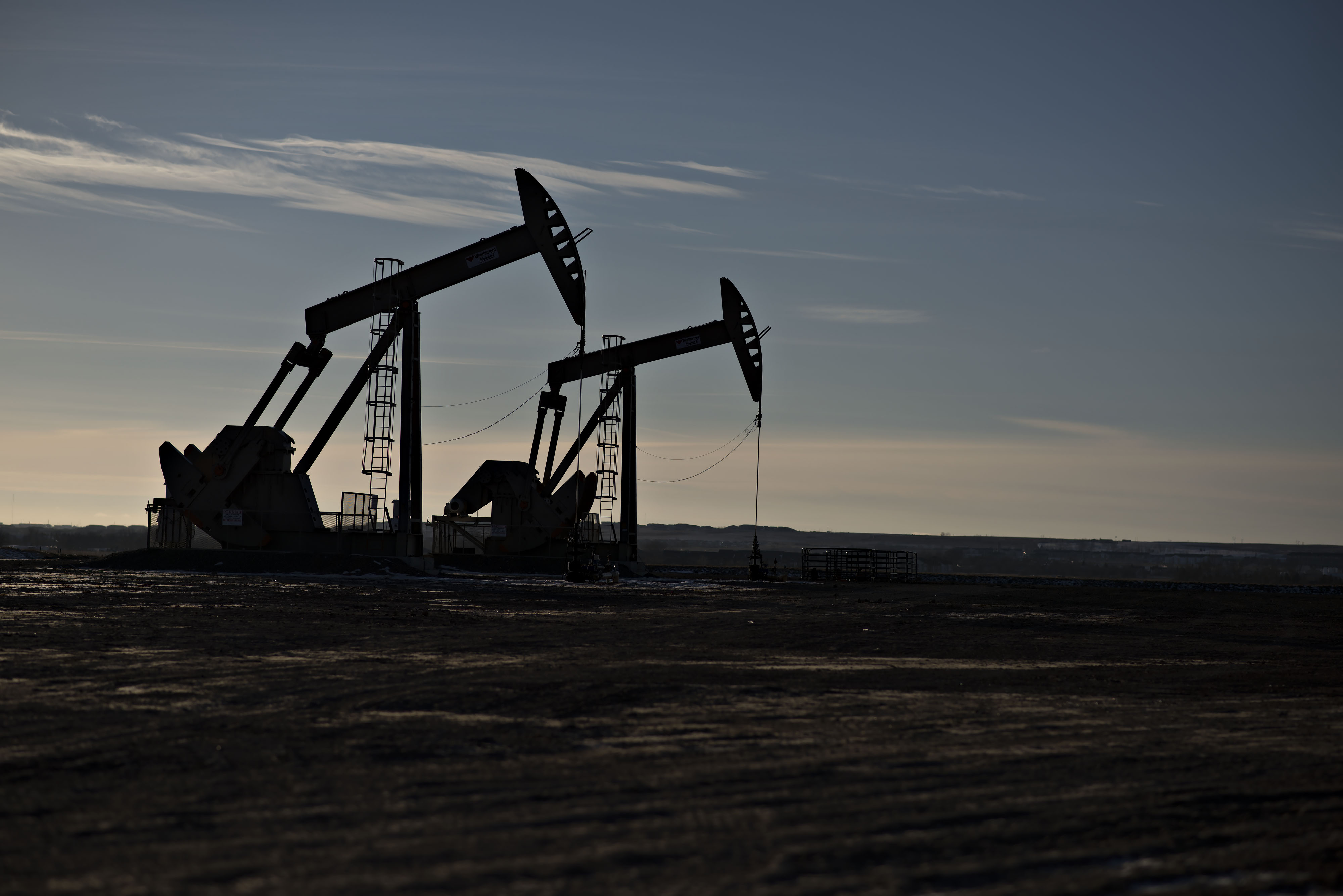
President Donald Trump said he would seek a 25% tariff on any nation purchasing oil and gas from Venezuela, citing migration and criminal gang members in the US.
“Any Country that purchases Oil and/or Gas from Venezuela will be forced to pay a Tariff of 25% to the United States on any Trade they do with our Country. All documentation will be signed and registered, and the Tariff will take place on April 2nd, 2025, LIBERATION DAY IN AMERICA,” Trump wrote Monday on his social media site.
The potential move, reminiscent of an oil sanction, would particularly affect China, a major purchaser of crude from the South American country. Venezuela is also a significant supplier of crude to the US. April 2 is when Trump has said he will announce sweeping reciprocal tariffs on nations around the globe.
Exports of Venezuelan crude had risen to a five-year high in February, before the Trump administration said it was forcing Chevron Corp. to wind down its operations in the country by April 3. Trump's comment follows efforts by Chevron to secure more time to conclude operations with Venezuela's state-owned Petroleos de Venezuela SA.
The move escalates tensions with the South American nation ruled by socialist leader Nicolás Maduro. Trump has sought to crack down on the Venezuela—based Tren de Aragua gang, including with a series of deportations under a little used 18th century law to a notorious El Salvadoran prison. A federal judge ruled Monday the migrants must be allowed to challenge the deportations in court.
Trump announced the decision after Venezuela resumed accepting deportation flights from the US, which Maduro's government briefly halted. But Trump said “Venezuela has purposefully and deceitfully sent to the United States, undercover, tens of thousands of high level, and other, criminals, many of whom are murderers and people of a very violent nature” including members of Tren de Aragua.
“Venezuela has been very hostile to the United States and the Freedoms which we espouse,” Trump wrote.

-
A New Samvat Wishlist: Inclusive Prosperity And Human Development

India has strengthened its economic foundations through infrastructure, digital access and enterprise. Its next growth chapter must deepen productivity, create better livelihoods and widen participation in prosperity.
-
Love, Sex Aur Dhokha: The Audacious Plot To Spy On Jensen Huang
A Taipei dinner, a Singapore chip buyer and a suspected Chinese asset: inside the alleged spy operation that got close to NVIDIA's Jensen Huang.
-
Ten Things I Learnt This Samvat
Patience can be a trap. Cheap stocks can stay cheap. Leverage can wipe you out. What did Samvat 2082 teach us? Niraj Shah writes on 10 lessons from the year gone by.
-
Talking Points This Week: Tech Nerves, FII Buying, And A Faraway Banking Shock
The global markets are not shining this Diwali. The exception in the large markets is, India.
-
Midterm Rally Lasted A Day. The Hard Reality Of A Divided US May Last Two Years | Opinion
Between a contested AI boom, a debt ceiling that arrives in 2027 and a president with every incentive to act alone, the next two years may prove more volatile than the first day's rally suggests.
-
Blue Wave Will Derail the AI Trade but Won't Dismantle the AI Era | Unhedged Position
The Democrats' sweep of the US Congress will see politics collide with economic forces both over the long and short term.
-
It's Time To Take The GST Council's Bet On Trust Global
Payment records can prove India's services exports, and clear, proportionate rules can bring foreign digital sellers into the tax net.
-
Opinion | India at 38: From Innovation Overperformer to Innovation Powerhouse
India now has 453 VC-backed deep science startups, 18 of them late-stage, after 117 percent growth since 2020. Laurus Labs, at USD 9.3 billion, is the most valuable deep science company in any middle-income economy outside China.
-
Navigating Energy Crossroads: S Jaishankar's Call For Diversified Supply Chains At G20 Ministerial Meeting
As geopolitical fault lines continue to test maritime trade routes and commodity flows, Jaishankar's message remains pertinent: true economic resilience requires open markets, protected transit lines, and a genuine commitment to multilateral cooperation rather than coercion.









