Sri Lanka Looks to Rely More on India Until IMF Funding Agreed
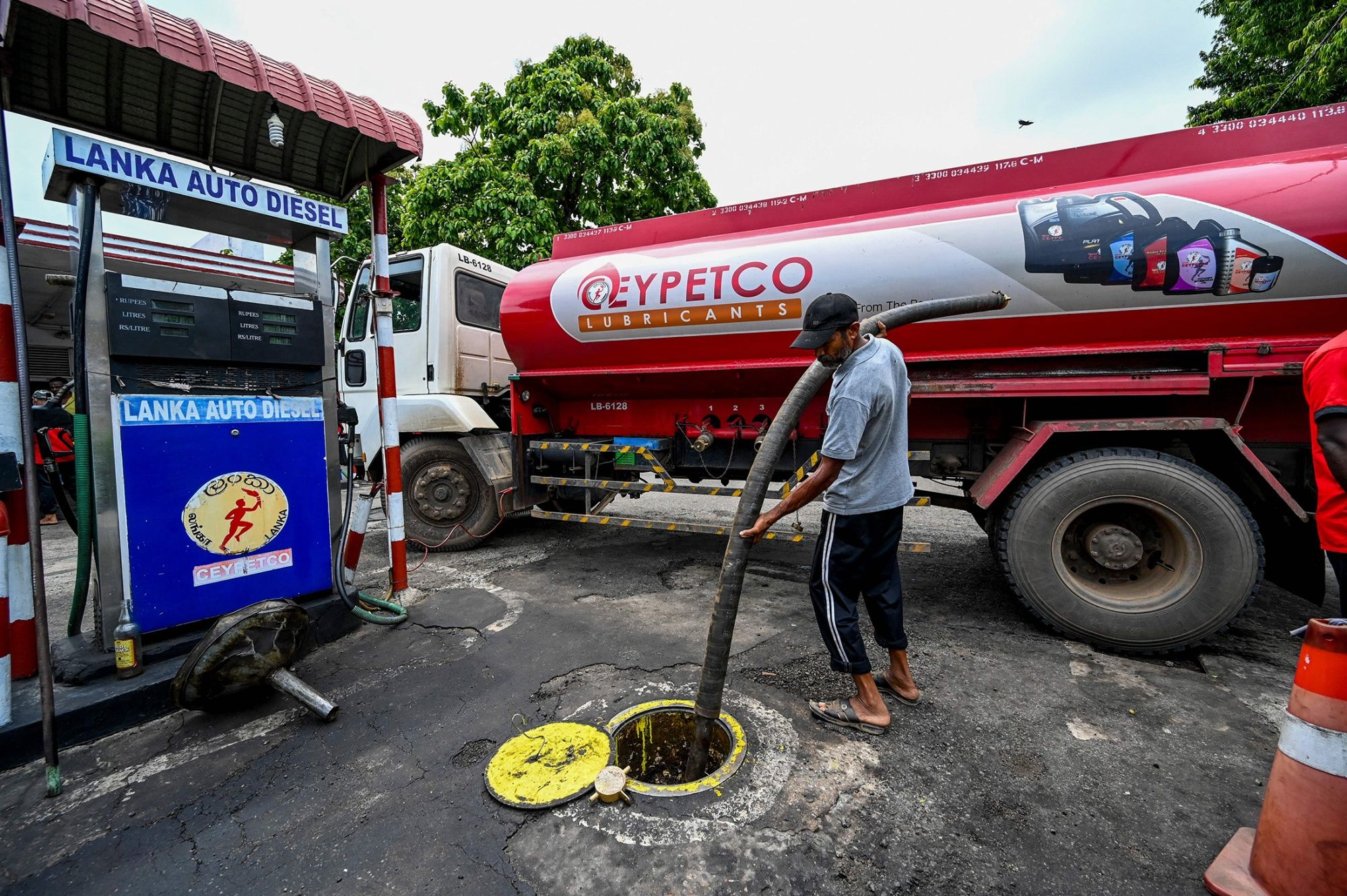
(Bloomberg) -- Sri Lanka is counting on more help from India until it secures an International Monetary Fund program that's hoped would unlock aid from other lenders to help face the worst economic crisis of its independent history.
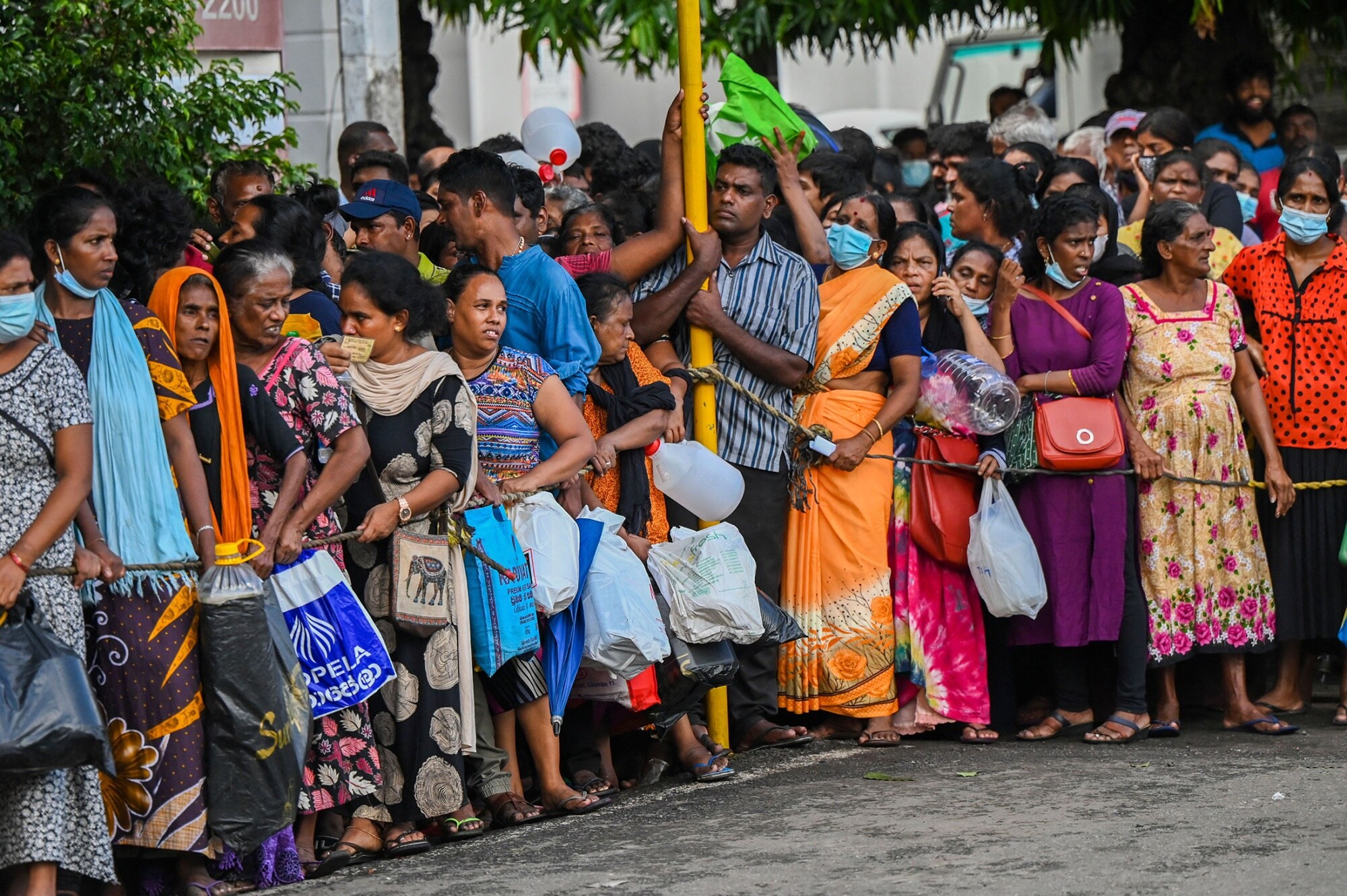
The South Asian nation has been plagued by shortages of necessities, power cuts, and rampant inflation, which has triggered calls for the ouster of President Gotabaya Rajapaksa. Prime Minister Ranil Wickremesinghe, who this week also took on the role of finance minister, said on May 26 that he's looking to fast-track talks with the IMF as the nation will need about $4 billion this year from the multilateral lender and creditors including China and Japan.
Sri Lanka's High Commissioner to India, Milinda Moragoda, met Finance Minister Nirmala Sitharaman in New Delhi on Friday and reiterated that the island nation would require bridging finance until the IMF program is finalized.
“In this context, the minister and the high commissioner explored the possibility of increasing and restructuring the assistance provided by India in the form of credits for essential commodities and fuel, as well as balance-of-payment support,” the high commission said on its Facebook page.
Sri Lanka's central bank governor, Nandalal Weerasinghe, told a committee meeting in parliament this week that discussions with India were also ongoing for a swap facility of about $1 billion from the Reserve Bank of India.
Weerasinghe said the next three months would be the “biggest challenge” as the nation faced foreign-exchange shortages of about $500 million monthly.
While Sri Lanka expects about $800 million to be channeled from ongoing World Bank and Asian Development Bank projects toward emergency assistance over the coming six months, the nation has so far largely been dependent on Indian credit for essential imports.
More stories like this are available on bloomberg.com
©2022 Bloomberg L.P.

-
Blue Wave Will Derail the AI Trade but Won't Dismantle the AI Era | Unhedged Position

The Democrats' sweep of the US Congress will see politics collide with economic forces both over the long and short term.
-
It's Time To Take The GST Council's Bet On Trust Global
Payment records can prove India's services exports, and clear, proportionate rules can bring foreign digital sellers into the tax net.
-
Opinion | India at 38: From Innovation Overperformer to Innovation Powerhouse
India now has 453 VC-backed deep science startups, 18 of them late-stage, after 117 percent growth since 2020. Laurus Labs, at USD 9.3 billion, is the most valuable deep science company in any middle-income economy outside China.
-
Navigating Energy Crossroads: S Jaishankar's Call For Diversified Supply Chains At G20 Ministerial Meeting
As geopolitical fault lines continue to test maritime trade routes and commodity flows, Jaishankar's message remains pertinent: true economic resilience requires open markets, protected transit lines, and a genuine commitment to multilateral cooperation rather than coercion.
-
Indians Are Travelling, But Not Every Journey Is A Holiday | The Week In Whys
Pilgrims, patients and working women are the real travellers, and the system hasn't quite caught up with them.
-
Getting To Work Costs Women More | The Reason Why
It is not just about women paying more than men. It is about women paying much more in cities than in villages.
-
AI Bias In Investing Cannot Be Eliminated, But It Can Be Governed
Framing is a particularly important example as identical financial information presented in terms of gains rather than losses can lead an LLM to reach a different assessment.
-
Joining The Dots | Dark Skies, Steady Diya: Why Hope Holds This Diwali
With war, a weak rupee and foreign outflows weighing on sentiment, policymakers at the NDTV World Summit and market veterans at NDTV Profit Ignite: Diwali Edition offered the same advice: stay invested and filter out the noise.
-
The Curious Case of Equitas Small Finance Bank And A CEO Who Quit For Stock
PN Vasudevan believes persistent investor concerns over a perceived conflict of interest had become a governance overhang on Equitas Small Finance Bank's stock, even as the lender improved profitability and asset quality.










