Southeast Asia Rushes To Avert Tariff Pain By Enticing Trump
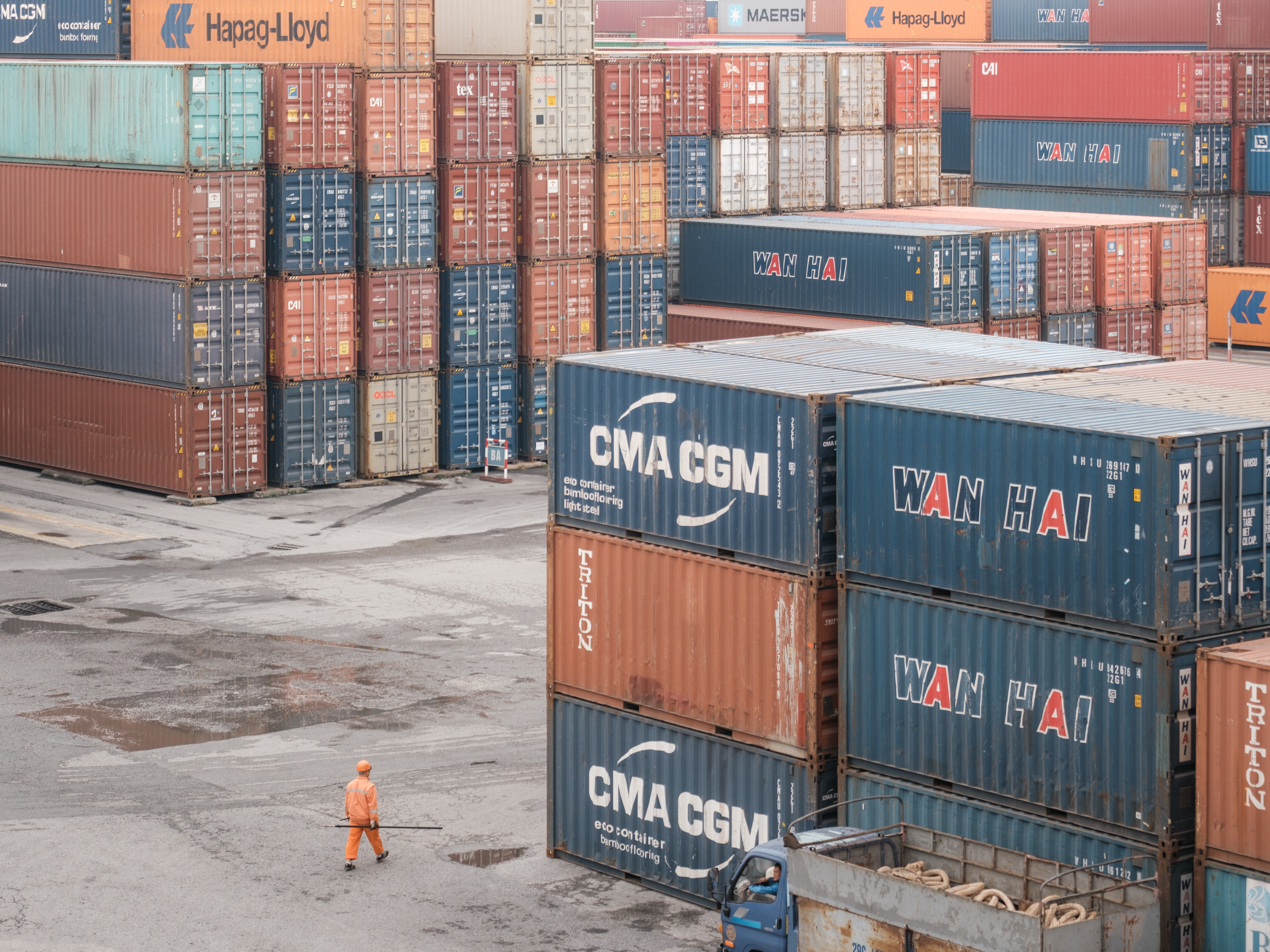
Countries in Southeast Asia, major sources of exports to the US, are angling to accommodate President Donald Trump rather than retaliate against his punishing tariffs, seeking to keep exports flowing to one of their biggest markets.
Vietnam, Cambodia and Indonesia have said in recent days that they're open to negotiations over the “reciprocal tariffs” Trump announced this week, while Singapore, a finance and trade hub, said it didn't plan to strike back.
The offers come as nations worldwide weigh how to respond to Trump's decision to slap tariffs from 10% to as high as 50% on every country. Since his announcement, trillions of dollars in market value have been wiped out globally and triggered widespread recession alarms. Southeast Asia's offers to negotiate contrast with China's immediate retaliation, while the European Union is preparing its own countermeasures if talks fail.
Vietnam has been trying to avoid severe tariffs since Trump re-entered the White House in January. Prime Minister Pham Minh Chinh said he'd golf with him at Mar-a-Lago if it would help resolve trade issues. The government has moved to placate the US by cutting tariffs on American cars, ethanol and liquefied natural gas.
Trump has indicated his openness to agreements if countries offer something “phenomenal.”
“The tariffs give us great power to negotiate,” Trump said aboard Air Force One on Thursday, adding that “every country has called us.”
Vietnam appeared to be among the first movers, with the country's leader To Lam offering to drop tariffs on US goods and heighten imports, in order to dodge Trump's 46% tariff. The American president described a call between them as “very productive” and indicated that the two leaders would meet.
It's as yet unclear if lowering tariffs on the US would be enough for Vietnam. The country's manufacturing sector has boomed since the first Trump term, when companies accelerated a shift in manufacturing out of China to avoid trade restrictions. Trump's effort to target Vietnam, as well as Cambodia and Thailand, has upended that strategy.
Hints that Vietnam could get entangled in Trump's trade clashes began in 2019, when he accused the country of taking advantage of the US “even worse than China.” Vietnam has been among Asia's fastest growing economies, expanding 7.1% last year. It also has one of the biggest trade surpluses with the US, about $100 billion, just behind massive trading partners such as China, Mexico and Canada.
Cambodia, among the poorest countries to be affected and facing the highest US tariff of any Asian economy, at 49%, promised to slash its own duties on US goods and promote their imports.
“Cambodia is a serving a useful purpose, smoking out the level of negotiating ambition of the United States,” said Simon Evenett, founder of the St. Gallen Endowment for Prosperity Through Trade, a group based in Switzerland that tracks trade policies. “If the Americans push too hard, they'll scare away other bigger fish.”
At the same time, Indonesia, which faces a 32% US tariff, pledged to ease trade rules and is sending a delegation to Washington next week.
Hints of a deal with Vietnam buoyed the stocks of sneaker and apparel makers in the US, which have become increasingly reliant on the country given its skilled and low-waged labor, infrastructure and trade agreements with the US.
Shares of Nike Inc. and Lululemon Athletica Inc. soared, while household appliance maker SharkNinja Inc. and home furnishings company RH reversed or pared earlier losses.
About half of all Nike brand shoes and 39% of Adidas shoes are made in Vietnam, according to regulatory filings, with the country being the largest supplier of footwear for both companies.
Analysts from Jefferies estimate that only about 2.5% of the US apparel market and 1% of footwear are produced domestically. Vietnam exported $44 billion in textiles last year, with the US as its largest market, according to the nation's textile and apparel association.

-
Talking Points This Week: Tech Nerves, FII Buying, And A Faraway Banking Shock

The global markets are not shining this Diwali. The exception in the large markets is, India.
-
Midterm Rally Lasted A Day. The Hard Reality Of A Divided US May Last Two Years | Opinion
Between a contested AI boom, a debt ceiling that arrives in 2027 and a president with every incentive to act alone, the next two years may prove more volatile than the first day's rally suggests.
-
Blue Wave Will Derail the AI Trade but Won't Dismantle the AI Era | Unhedged Position
The Democrats' sweep of the US Congress will see politics collide with economic forces both over the long and short term.
-
It's Time To Take The GST Council's Bet On Trust Global
Payment records can prove India's services exports, and clear, proportionate rules can bring foreign digital sellers into the tax net.
-
Opinion | India at 38: From Innovation Overperformer to Innovation Powerhouse
India now has 453 VC-backed deep science startups, 18 of them late-stage, after 117 percent growth since 2020. Laurus Labs, at USD 9.3 billion, is the most valuable deep science company in any middle-income economy outside China.
-
Navigating Energy Crossroads: S Jaishankar's Call For Diversified Supply Chains At G20 Ministerial Meeting
As geopolitical fault lines continue to test maritime trade routes and commodity flows, Jaishankar's message remains pertinent: true economic resilience requires open markets, protected transit lines, and a genuine commitment to multilateral cooperation rather than coercion.
-
Indians Are Travelling, But Not Every Journey Is A Holiday | The Week In Whys
Pilgrims, patients and working women are the real travellers, and the system hasn't quite caught up with them.
-
Getting To Work Costs Women More | The Reason Why
It is not just about women paying more than men. It is about women paying much more in cities than in villages.
-
AI Bias In Investing Cannot Be Eliminated, But It Can Be Governed
Framing is a particularly important example as identical financial information presented in terms of gains rather than losses can lead an LLM to reach a different assessment.









