EU Nears Gas Storage Goal Early Despite Russian Supply Cut
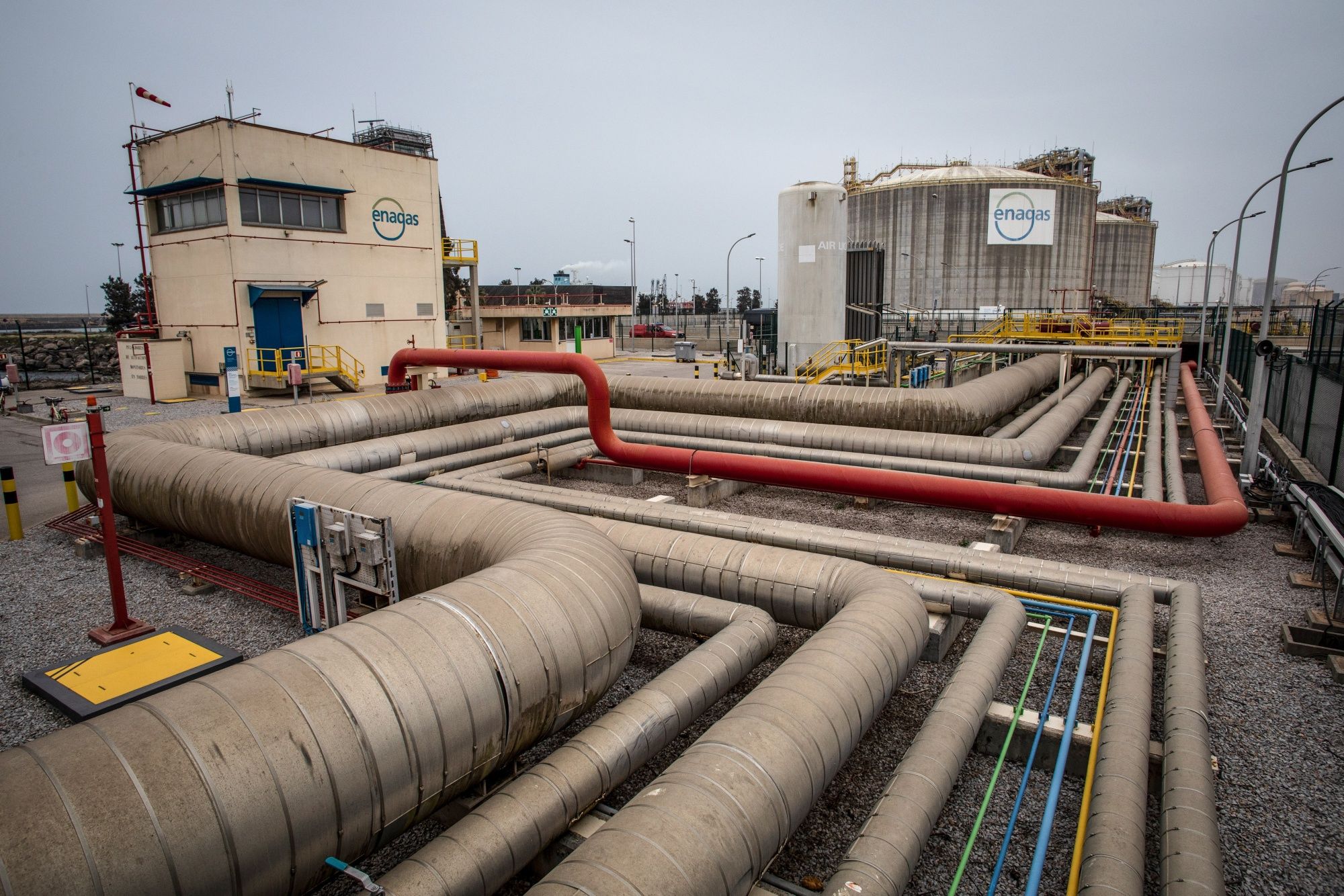
(Bloomberg) -- The European Union is set to meet its gas storage filling goal two months ahead of target as the bloc braces for a tough winter with Russia limiting supplies and energy contracts trading at elevated levels throughout the continent.
Reserves in the EU were 79.94% full as of Sunday, according to Gas Infrastructure Europe inventory data. The EU, which has a target of at least 80% by Nov. 1, bolstered its storage rules earlier this year after levels last winter turned out lower than in past years, particularly in German sites controlled by Russian exporter Gazprom PJSC, a factor that led to a jump in prices.
Gas storage helps absorb supply shocks and provides around 25% to 30% of the fuel consumed in winter. With bigger reserves, European nations are slightly better placed to face a further supply cut as Gazprom starts unexpected maintenance on the Nord Stream pipeline on Wednesday.

“We will meet the goal before the heating season despite very difficult situation on the energy market, Gazprom's dirty games around Nord Stream 1 and several member states being already completely cut off from Russian supplies,” said Jerzy Buzek, senior member of the European Parliament. “Full gas storages will certainly not solve all our current problems, but they do allow European citizens to feel more secure and confident before the coming winter.”
The latest data on storage levels is welcome relief for the market and helped push gas and power prices down further on Tuesday after drops of 20% or more for the benchmark contracts on Monday.
Lower temperatures seen across Eastern Europe, and parts of the Iberian peninsular next week will also help nations to conserve more gas as less energy is expected to be needed for cooling. In Germany, gas stores are filling up fast and are expected to meet an October domestic target of 85% full already next month, Economy Minister Robert Habeck said in a statement on Sunday.
But even with full storage sites, Germany risks not being able to make it through the winter if Russia stops gas flows, Klaus Mueller, president of the Federal Network Agency, the country's energy regulator, said in an interview with Bloomberg News earlier this month.
The nation, EU's largest energy importer, is restarting coal power plants to save gas. It's also racing to bring online new infrastructure to import liquefied natural gas from across the globe, with the first two floating terminals set to start this winter.
The EU wants to cut dependence on Russia, the region's biggest energy supplier in the past years. The flows are to be replaced by growing renewables, greater efficiency and imports of pipeline gas and liquefied natural gas from other suppliers in the Mediterranean region, Africa, Middle East and U.S.
An obligatory minimum level of reserves will reinforce the security of supply this winter and in the heating seasons ahead, the European Commission said earlier this year. Commission President Ursula von der Leyen said Monday that the bloc would also take steps to intervene in electricity markets, intervening in the short term to dampen soaring power costs and eventually seeking to break the link between gas and electricity prices.
Read more: EU Plans Emergency Steps, Structural Fixes to Power Market
In Poland, reserves were almost 100% full on Aug. 27 while Portugal's storage was completely full. Italian storage was filled to 81%, while Hungarian to 62% and Bulgarian to 60%, GIE data showed.
French Prime Minister Elisabeth Borne, meanwhile, urged businesses to cut energy use or face possible rationing this winter if Russia halts gas deliveries.
“There could be brutal gas outages overnight and serious economic and social consequences,” she said in speech Monday, adding that “companies would be the first hit” by rationing.
With more than 90% of its gas storage currently full, France should have enough of the fuel to cope with a winter with average temperatures, Engie Executive Vice President Claire Waysand said Monday.
(Updates with latest storage data from the second paragraph.)
More stories like this are available on bloomberg.com
©2022 Bloomberg L.P.

-
Ten Things I Learnt This Samvat

Patience can be a trap. Cheap stocks can stay cheap. Leverage can wipe you out. What did Samvat 2082 teach us? Niraj Shah writes on 10 lessons from the year gone by.
-
Talking Points This Week: Tech Nerves, FII Buying, And A Faraway Banking Shock
The global markets are not shining this Diwali. The exception in the large markets is, India.
-
Midterm Rally Lasted A Day. The Hard Reality Of A Divided US May Last Two Years | Opinion
Between a contested AI boom, a debt ceiling that arrives in 2027 and a president with every incentive to act alone, the next two years may prove more volatile than the first day's rally suggests.
-
Blue Wave Will Derail the AI Trade but Won't Dismantle the AI Era | Unhedged Position
The Democrats' sweep of the US Congress will see politics collide with economic forces both over the long and short term.
-
It's Time To Take The GST Council's Bet On Trust Global
Payment records can prove India's services exports, and clear, proportionate rules can bring foreign digital sellers into the tax net.
-
Opinion | India at 38: From Innovation Overperformer to Innovation Powerhouse
India now has 453 VC-backed deep science startups, 18 of them late-stage, after 117 percent growth since 2020. Laurus Labs, at USD 9.3 billion, is the most valuable deep science company in any middle-income economy outside China.
-
Navigating Energy Crossroads: S Jaishankar's Call For Diversified Supply Chains At G20 Ministerial Meeting
As geopolitical fault lines continue to test maritime trade routes and commodity flows, Jaishankar's message remains pertinent: true economic resilience requires open markets, protected transit lines, and a genuine commitment to multilateral cooperation rather than coercion.
-
Indians Are Travelling, But Not Every Journey Is A Holiday | The Week In Whys
Pilgrims, patients and working women are the real travellers, and the system hasn't quite caught up with them.
-
Getting To Work Costs Women More | The Reason Why
It is not just about women paying more than men. It is about women paying much more in cities than in villages.









