US, EU Agree on Mideast-India Rail and Shipping Corridor at G-20
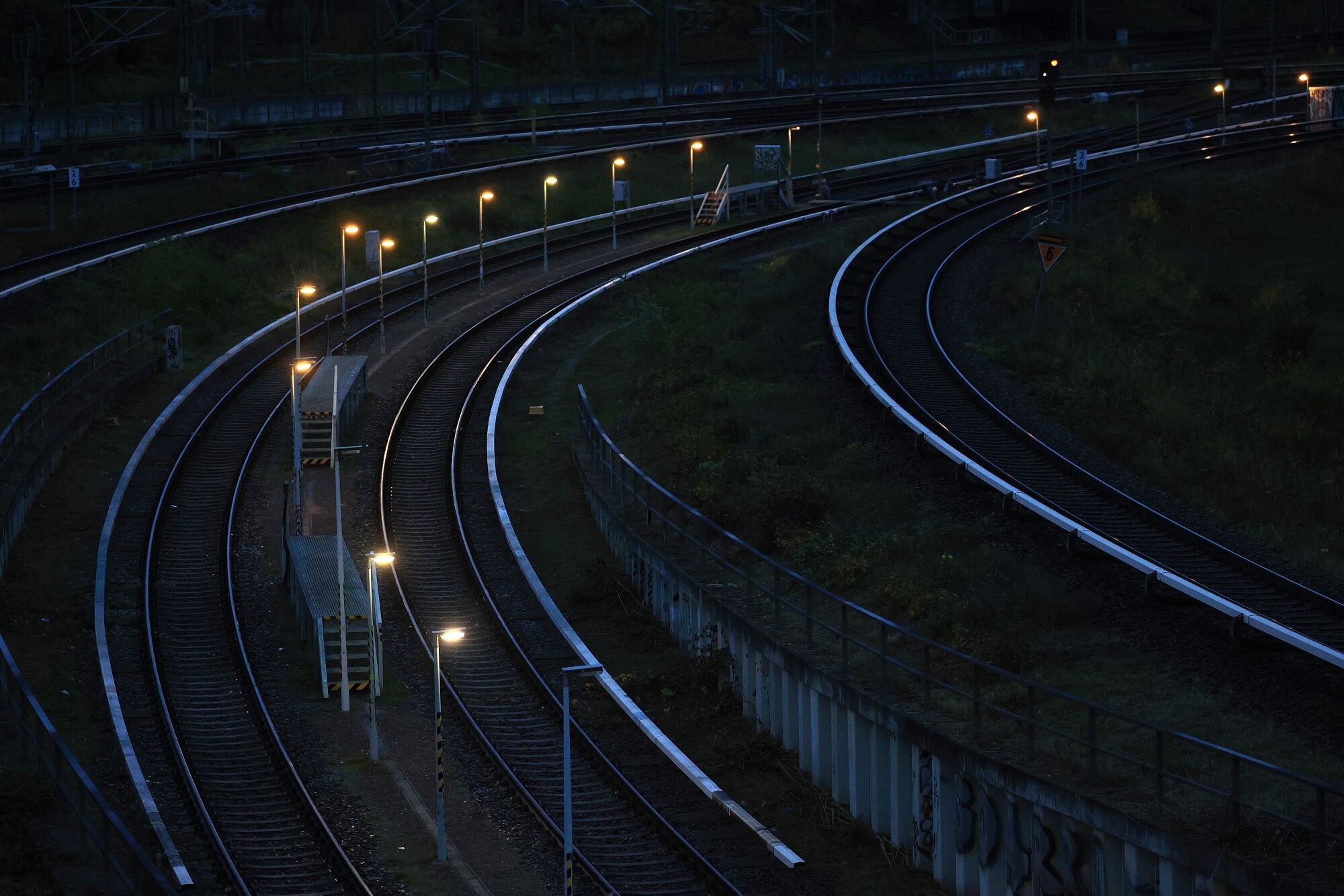
(Bloomberg) -- The US signed an agreement with India, Middle Eastern countries and the European Union aimed at connecting them via a network of railways and sea routes, a development that comes as China builds its influence across the energy-rich region.
The US has been quietly holding talks since January on the project with India, Saudi Arabia, the United Arab Emirates and Israel. The plan is to link Middle Eastern countries by rail and to India through shipping lanes from ports in the region, extending on to eastern Europe.
“This is a game-changing regional investment,” US President Joe Biden said at an event announcing the plans. He thanked Saudi Crown Prince Mohammed bin Salman and India's Prime Minister Narendra Modi, who sat between them.
US, India and Gulf States Pushing Ahead With Plans for Rail Deal
The Saudi prince also commended Biden, and they shook hands, appearing to want to emphasize improved relations after long-running frictions that flared again last year over oil.
The India-Middle East-Europe Economic Corridor will integrate railway lines and port connections from India to Europe, across UAE, Saudi Arabia, Jordan and Israel, leading to faster transit of goods.
The project will develop energy infrastructure and enable the production and transport of green hydrogen to all partner countries. It includes a new undersea cable connecting the region to improve telecommunications and data transfers.
Is Quiet Diplomacy Remaking the Middle East?: Balance of Power
Leaders will also develop a trans-African corridor to improve transport connections between the Katanga region of the Democratic Republic of Congo and the so-called “Copper Belt” in Zambia to Lobito port in Angola. The US and the EU are also backing this project, known as the Lobito Corridor.
The Middle East plan is more than just an infrastructure project, US Deputy National Security Adviser Jonathan Finer told reporters, saying the overall strategy was focused on “turning the temperature down” in a region that was historically a “net exporter of turbulence and insecurity.”
The US declined to give a timeline for completion but Biden's senior adviser Amos Hochstein said countries would meet within the next 60 days to discuss that.
US officials dismissed the idea the project was about countering Chinese influence in emerging markets. But a French diplomat said there was competition with China's Belt and Road Initiative and that it was not necessarily a bad thing. Countries were also looking at how to involve Egypt in the plans.
The rail link will increase the speed of trade between India and Europe by 40%, European Commission President Ursula von der Leyen said.
US allies Saudi Arabia and the UAE have been moving closer to Beijing as they seek to strengthen ties with fast-growing economies to the east. Last month, Saudi Arabia and the UAE said they were joining the BRICS group of emerging-market nations after China led a push to open up membership of the bloc that was eventually backed by India.
The US and the EU have in recent years sought to counter President Xi Jinping's Belt and Road Initiative, which has financed hundreds of billions of dollars worth of infrastructure in emerging markets. China has also boosted ties with the Middle East, helping to broker a detente between Saudi Arabia and Iran earlier this year.
--With assistance from Samy Adghirni.
More stories like this are available on bloomberg.com
©2023 Bloomberg L.P.

-
Love, Sex Aur Dhokha: The Audacious Plot To Spy On Jensen Huang

A Taipei dinner, a Singapore chip buyer and a suspected Chinese asset: inside the alleged spy operation that got close to NVIDIA's Jensen Huang.
-
Ten Things I Learnt This Samvat
Patience can be a trap. Cheap stocks can stay cheap. Leverage can wipe you out. What did Samvat 2082 teach us? Niraj Shah writes on 10 lessons from the year gone by.
-
Talking Points This Week: Tech Nerves, FII Buying, And A Faraway Banking Shock
The global markets are not shining this Diwali. The exception in the large markets is, India.
-
Midterm Rally Lasted A Day. The Hard Reality Of A Divided US May Last Two Years | Opinion
Between a contested AI boom, a debt ceiling that arrives in 2027 and a president with every incentive to act alone, the next two years may prove more volatile than the first day's rally suggests.
-
Blue Wave Will Derail the AI Trade but Won't Dismantle the AI Era | Unhedged Position
The Democrats' sweep of the US Congress will see politics collide with economic forces both over the long and short term.
-
It's Time To Take The GST Council's Bet On Trust Global
Payment records can prove India's services exports, and clear, proportionate rules can bring foreign digital sellers into the tax net.
-
Opinion | India at 38: From Innovation Overperformer to Innovation Powerhouse
India now has 453 VC-backed deep science startups, 18 of them late-stage, after 117 percent growth since 2020. Laurus Labs, at USD 9.3 billion, is the most valuable deep science company in any middle-income economy outside China.
-
Navigating Energy Crossroads: S Jaishankar's Call For Diversified Supply Chains At G20 Ministerial Meeting
As geopolitical fault lines continue to test maritime trade routes and commodity flows, Jaishankar's message remains pertinent: true economic resilience requires open markets, protected transit lines, and a genuine commitment to multilateral cooperation rather than coercion.
-
Indians Are Travelling, But Not Every Journey Is A Holiday | The Week In Whys
Pilgrims, patients and working women are the real travellers, and the system hasn't quite caught up with them.









