Tax On TV, Fridge Fell After GST: Finance Ministry Analysis
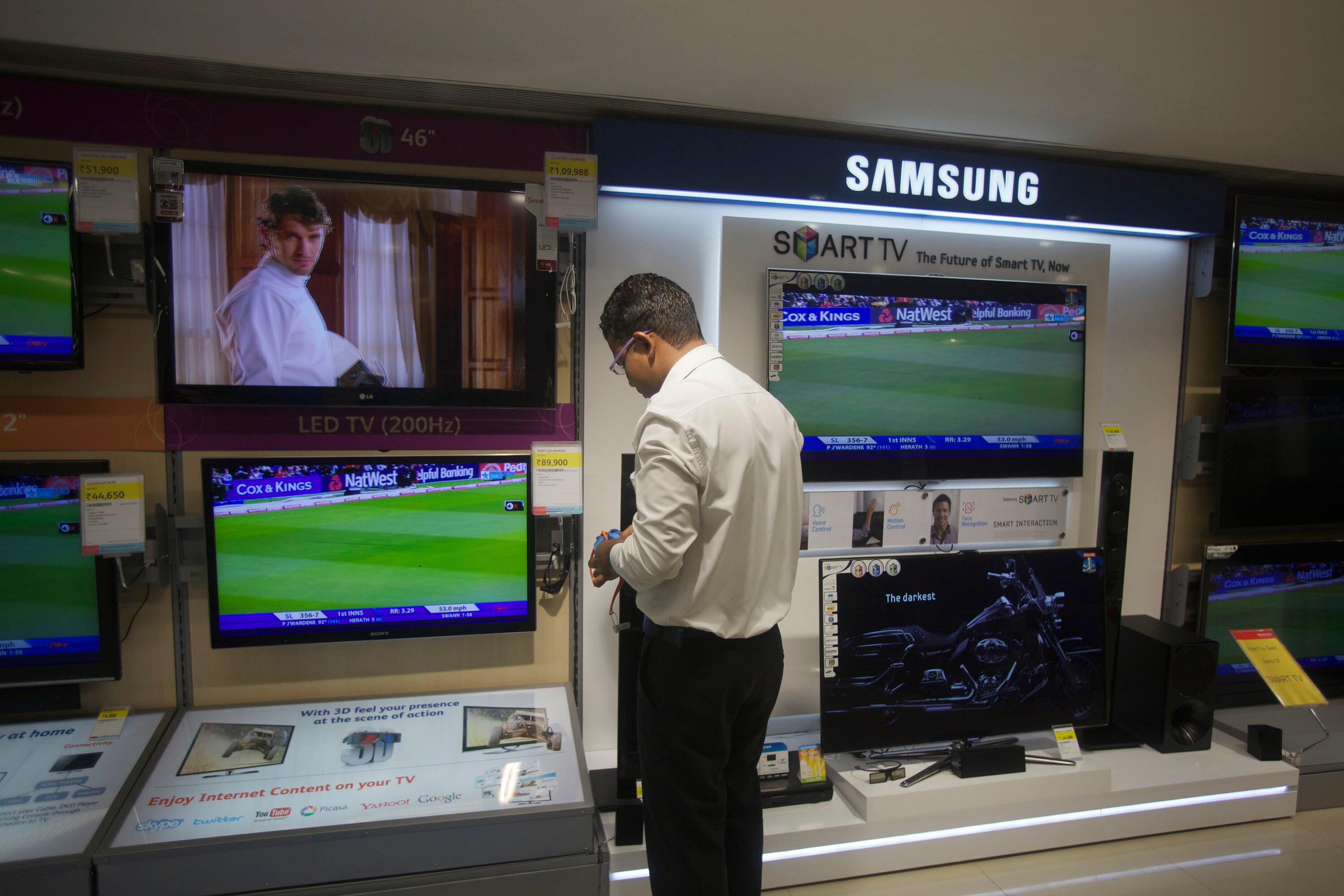
Tax on commonly used household items like televisions, refrigerators, washing machines and electrical appliances have been slashed to 18 percent after the Goods and Service Tax roll-out from over 31 percent earlier, according to an analysis.
The GST implementation has also brought down tax rates on luxury goods like air conditioners and automobiles.
On a day when Prime Minister Narendra Modi said that 99 percent of items will attract 18 percent or less tax, a Finance Ministry analysis of GST rates showed only 34 luxury and sin goods are in the top 28 percent bracket and even they had seen a reduction in effective tax after GST implementation on July 1, 2017.
The GST has five tax slabs of 0, 5, 12, 18 and 28 percent with daily essential items attracting "nil" tax rates and some white goods, apart from luxury and sin items, placed at the highest tax rate.
The analysis showed tax incidence under GST, which amalgamated 17 central and state levies, including excise duty and sales tax, on households items like television sets of up to 27 inches, refrigerators, washing machines, household electrical appliances such as mixer, juice and vacuum cleaner, geyser, fans and coolers and watches came down from 31.3 per cent pre-GST to 18 percent.
The same on mobile phones came down from 18-25 percent to 12 percent and that on furniture to 18 percent from 25-31 percent.
Similarly, on luxury goods, tax incidence on automobiles, cement, air-conditioning machines, dish washing machines, digital cameras, video-game consoles and monitors and projectors came down from 31.30 percent to 28 percent.
The tax on movie tickets costing more than Rs 100 came down to 28 percent from 35 percent previously, while five-star hotel accommodation is taxed at 28 percent as opposed to 30-50 percent previously.
A meeting of the GST Council is scheduled for the weekend where further rationalisation of the items in the 28 percent tax bracket is expected.
The GST not just made India one market by levying uniform tax rates on goods and services, it also did away with tax-on-tax prevalent in the previous system.
In the old system, the central government levied excise duty when a good was produced in a factory and the state governments charged VAT over it. This meant that consumer not just paid VAT on the basic price of the good but also on the excise duty charged by the Centre.
With the introduction of the new indirect tax, that pattern has been eliminated. The GST is levied at the consumption end or when the final consumer buys the product or service.

-
Why Amazon And Flipkart Are Struggling To Beat Meesho In India's Smaller Cities

With 274 million users and lowest-cost logistics, Meesho is defending its value commerce crown against giants like Amazon and Flipkart.
-
High US Salaries, No Green Card Certainty: The Financial Calculation Facing Indian H-1B Families
The suspension of PERM processing at eight technology employers does not cancel existing H-1B visas. What it does is force a question many Indian families have been avoiding: is the US salary worth tying your career and family plans to one employer?
-
Swiggy vs Eternal: Food Delivery's Two Rivals Are No Longer In The Same Race
Eternal is building a private AI assistant, dark.ai. Swiggy is still working out how to make Instamart pay, with an operating loss of Rs 895 crore in the July-September quarter while Blinkit stayed profitable.
-
Where You Live Shapes How You Get To Work | The Reason Why
Two-wheelers are the most popular way to get to work in India, accounting for nearly 43% of workplace commutes.
-
Unhedged Position: Can India See An Indonesia-Style Time Correction?
The Nifty is trading below levels it first clocked in 2024. Is there, then, as I have suggested in the headline, potential that the current time correction drags on painfully for the next three-five, even ten years?
-
Navigating Friction And Energy Realities: An Analysis Of Marco Rubio's October Visit To India
Occurring at a critical juncture marked by stalled trade negotiations and escalating geopolitical pressures over global energy supplies, the visit offers a profound window into modern US-India relations.
-
India Exports Capital. Why Not Export Trusteeship?
The big question, then, is whether India can build an institution that global borrowers, investors, banks, and lawyers can trust, even without an Indian connection.
-
France's Economy & Politics Are In Crisis | The Reason Why
Let's look at how the French economy and politics evolved under Nicolas Sarkozy, Franois Hollande and Emmanuel Macron.
-
You May Inherit The Business. You Must Earn Its Credibility.
Succession tests the founder's ability to share authority as much as it tests the next generation's readiness to assume it.
-
Signing Deals Is One Thing; Making Them Work Is Another | The Week In Whys
Sometimes, things don't turn out as planned. Indian companies have lost some bids to rivals, some projects won't produce until 2030.










