RBI Won't Cut Interest Rate In February, Says Neelkanth Mishra — Here's His Rationale
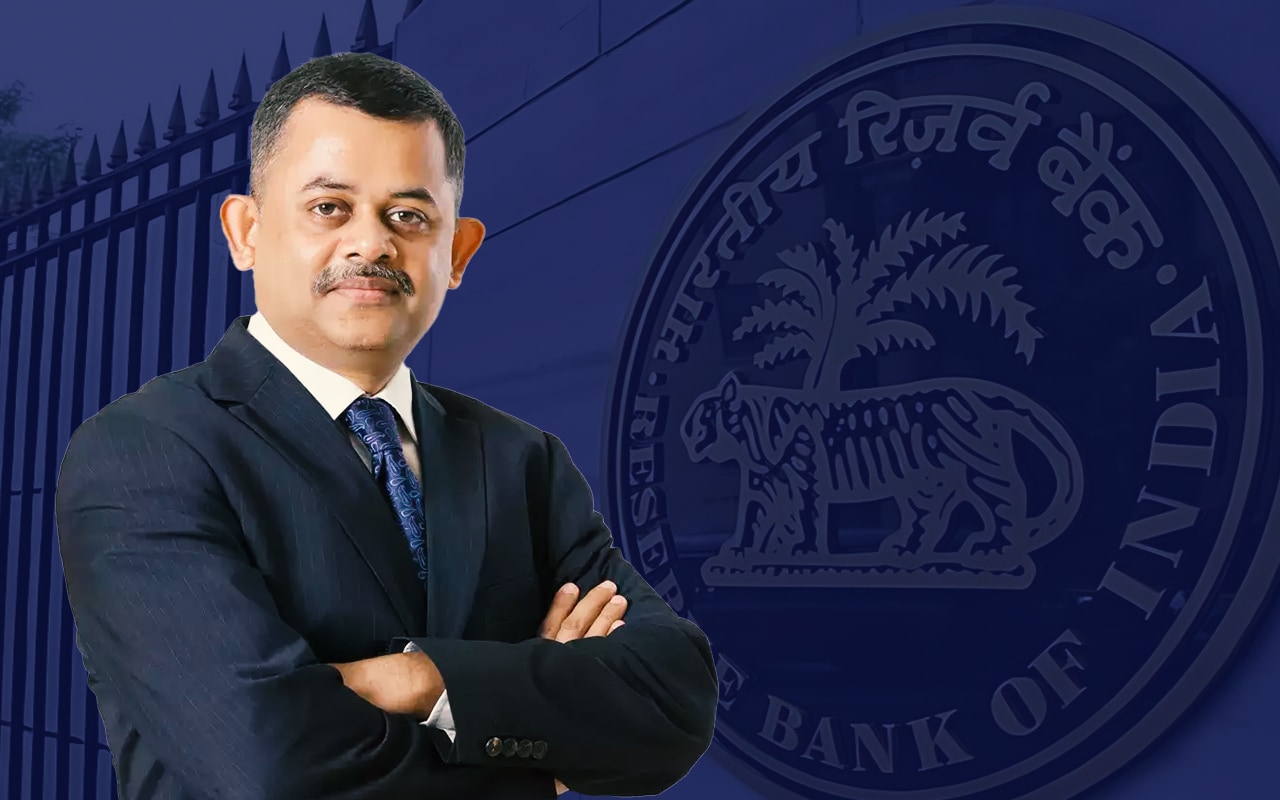
Neelkanth Mishra, the chief economist of Axis Bank Ltd., does not see a repo rate cut by the Reserve Bank of India in its February meeting as worries over economic growth slowdown is overplayed by sticky inflation.
Mishra said that if the headline inflation averages 4.5% for the fiscal because of high base effect in October-December quarter, it would mean higher inflation print in the March quarter. "If that is the case, the MPC will not have room to cut rates," he told NDTV Profit in a televised interview on Wednesday.
In a scenario where the RBI cuts the rate by 50 basis points at most, Mishra still does not see the beginning of an easing cycle. The change in policy may not materialise as long as inflation expectations are elevated, and the economy rebounds because of normalisation of government spending, easier liquidity and credit growth pick up, he said.
While analysts have pointed out the sore point in retail inflation being vegetable prices, which is beyond the central bank's control levers, the Axis Bank economist sees the pressure to remain due to welfare measures.
"The income transfer scheme initiated by states has seen acceleration this year. Around Rs 2 lakh-crore transfer to women monthly will happen, targeting the bottom 30-40% of households where the marginal propensity to consume is the strongest for food," he explained.
"In segments like egg, meat and milk, there is little government intervention as these are open markets and supply response is quick. In areas like vegetables, the supply response lags and therefore, the additional demand adds up in 6-9 months," he pointed out.
Axis Capital Ltd., which Mishra heads, is forecasting a 7% GDP growth for fiscal 2026, above consensus estimates. The consumer price index-based inflation is project at 4.5%, down from 4.8% in the ongoing fiscal.
India GDP Outlook
Neelkanth Mishra said India's GDP growth will be determined by local factors and there is sufficient internal demand to maintain the 7% level. Moreover, a good foreign exchange reserve makes the economy less vulnerable to external shocks.
The growth slowdown in the September quarter was due to internal factors like unintended strong fiscal tightening and slowdown in credit growth, Mishra noted. He expects a reasonably sharp uptick on the fiscal side in the second half of the current fiscal.
The economist also said the Indian rupee needs to be "more volatile" so that the economy is better prepared and the RBI is not incurring the cost of currency stabilisation.
Impact Of Trump Presidency
With regards to a looming trade war between the US and China after Donald Trump assumes the US presidency in January, Neelkanth Mishra said global commerce can be hit with disruptions as, since 2016, global growth in trade excluding with China and the US has been abysmal.
"We need to be on standby on the nature of policies that he pushes through. This time he will be better prepared, with a team in place and having lead time on deciding on policies which will not be stalled by the legislature and courts," he said.

-
The Economic Imperative: Analysing The Material Driving Force Behind India-Canada Strategic Reset

This economic complementarity is further reinforced by deep institutional investment ties and talent mobility, which form the bedrock of the bilateral framework.
-
Medicine Pricing: Where Must Profit Stop?
India must confront excessive margins, hidden incentives and regulatory gaps that threaten the integrity of medicine.
-
Why Amazon And Flipkart Are Struggling To Beat Meesho In India's Smaller Cities
With 274 million users and lowest-cost logistics, Meesho is defending its value commerce crown against giants like Amazon and Flipkart.
-
High US Salaries, No Green Card Certainty: The Financial Calculation Facing Indian H-1B Families
The suspension of PERM processing at eight technology employers does not cancel existing H-1B visas. What it does is force a question many Indian families have been avoiding: is the US salary worth tying your career and family plans to one employer?
-
Swiggy vs Eternal: Food Delivery's Two Rivals Are No Longer In The Same Race
Eternal is building a private AI assistant, dark.ai. Swiggy is still working out how to make Instamart pay, with an operating loss of Rs 895 crore in the July-September quarter while Blinkit stayed profitable.
-
Where You Live Shapes How You Get To Work | The Reason Why
Two-wheelers are the most popular way to get to work in India, accounting for nearly 43% of workplace commutes.
-
Unhedged Position: Can India See An Indonesia-Style Time Correction?
The Nifty is trading below levels it first clocked in 2024. Is there, then, as I have suggested in the headline, potential that the current time correction drags on painfully for the next three-five, even ten years?
-
Navigating Friction And Energy Realities: An Analysis Of Marco Rubio's October Visit To India
Occurring at a critical juncture marked by stalled trade negotiations and escalating geopolitical pressures over global energy supplies, the visit offers a profound window into modern US-India relations.
-
India Exports Capital. Why Not Export Trusteeship?
The big question, then, is whether India can build an institution that global borrowers, investors, banks, and lawyers can trust, even without an Indian connection.
-
France's Economy & Politics Are In Crisis | The Reason Why
Let's look at how the French economy and politics evolved under Nicolas Sarkozy, Franois Hollande and Emmanuel Macron.










