No Pure GST On Petrol, Diesel; 28% Tax Plus VAT On The Anvil
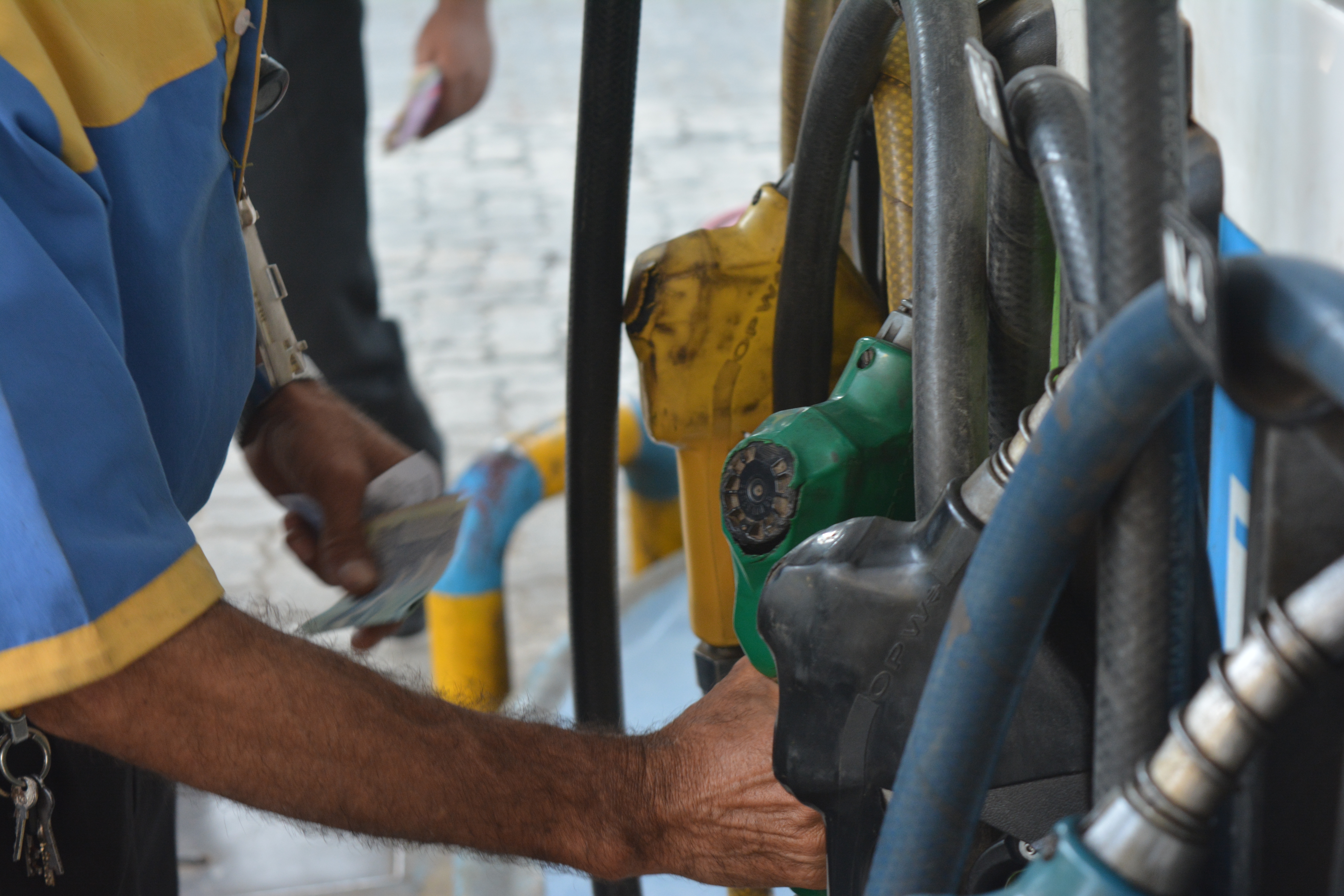
A peak tax rate of 28 percent plus states levying some amount of local sales tax or value added tax on petrol and diesel is likely to be the tax structure when the two auto fuels are covered under the Goods and Services Tax regime, a top government official said.
The peak GST rate plus VAT will be equal to the present tax incidence, which is made up of excise duty, levied by the central government, and VAT charged by the states.
But before the two fuels are put under the GST, the Centre has to decide if it is willing to let go of the nearly Rs 20,000 crore of input tax credit it currently pockets by keeping petrol, diesel, natural gas, jet fuel and crude oil out of the GST regime that came into force from July 1, 2017, the official said.
“There is no pure GST on petrol and diesel anywhere in the world and so in India too it will have to be a combination of GST and VAT,” said the official, who is closely involved with the GST implementation.
The timing of including petrol products in the GST will be a political call which the Centre and states have to take collectively, he said.
The Centre currently levies a total of Rs 19.48 a litre of excise duty on petrol and Rs 15.33 a litre on diesel. On top of this, states levy VAT—the lowest being in Andaman and Nicobar Islands where a 6 percent sales tax is charged on both the fuels. Mumbai has the highest VAT of 39.12 percent on petrol, while Telangana levies the highest VAT of 26 percent on diesel. Delhi charges a VAT of 27 percent on petrol and 17.24 per cent on diesel.
The total tax incidence on petrol comes to 45-50 percent and on diesel it is 35-40 percent.
The official said under the GST, the total incidence of taxation on a particular good or a service has been kept at the same level as the sum total of central and state levies existing pre-July 1, 2017. This was done by fitting them into one of the four GST tax slabs of 5, 12, 18 and 28 percent.
For petrol and diesel, the total incidence of present taxation is already beyond the peak rate and if the tax rate was to be kept at just 28 percent it would result in a big loss of revenue to both the Centre and states, he said.
“The Centre doesn't have the money to compensate states for the loss of revenue and so the solution is to have a peak rate of tax plus allowing states to levy some amount of VAT keeping in mind that the overall incidence should not exceed the present levels,” he said.
The GST has been spoken of as a panacea for high fuel prices but the structure in works would ensure rates remain almost at same levels unless the Centre and states decide to levy a pure GST of 28 percent and not go for an additional VAT or a cess.
After hitting an all-time high of Rs 78.43 a litre for petrol and Rs 69.31 a litre for diesel on May 29, rates have marginally fallen during the subsequent days on softening of international oil prices and rupee strengthening against the U.S. dollar. Petrol costs Rs 76.27 a litre and diesel Rs 67.78 a litre in Delhi.
The GST being an ad valorem levy, charged as a percentage on ex-factory price, would have a cascading impact on retail prices whenever refinery gate prices are increased because of a rise benchmark international oil prices. The inverse would also be true.
Union Minister Arun Jaitley had in a blog post on Monday alluded to states earning more through ad valorem VAT when oil prices rise. The central excise is a fixed levy and does not change with change in prices.
“The states charge ad valorem taxes on oil. If oil prices go up, states earn more,” he had written.
The central government had raised excise duty on petrol by Rs 11.77 a litre and that on diesel by 13.47 a litre in nine installments between November 2014 and January 2016 to shore up finances as global oil prices fell, but then cut the tax just once in October last year by Rs 2 a litre.
This led to its excise collections from petro goods more than doubling in the last four years—from Rs 99,184 crore in 2014-15 to Rs 229,019 crore in 2017-18. States saw their VAT revenue from petro goods rise from Rs 137,157 crore in 2014-15 to Rs 184,091 crore in 2017-18.
The GST subsumed more than a dozen central and state levies like excise duty, service tax and VAT when it was implemented from July 1, 2017.
However, its implementation on five petroleum products — petrol, diesel, natural gas, crude oil and ATF — was deferred. This resulted in the industry losing revenue as they weren't able to offset GST they paid on input from those paid on the sale of products like petrol, diesel and ATF.

-
Opinion | India at 38: From Innovation Overperformer to Innovation Powerhouse

India now has 453 VC-backed deep science startups, 18 of them late-stage, after 117 percent growth since 2020. Laurus Labs, at USD 9.3 billion, is the most valuable deep science company in any middle-income economy outside China.
-
Navigating Energy Crossroads: S Jaishankar's Call For Diversified Supply Chains At G20 Ministerial Meeting
As geopolitical fault lines continue to test maritime trade routes and commodity flows, Jaishankar's message remains pertinent: true economic resilience requires open markets, protected transit lines, and a genuine commitment to multilateral cooperation rather than coercion.
-
Indians Are Travelling, But Not Every Journey Is A Holiday | The Week In Whys
Pilgrims, patients and working women are the real travellers, and the system hasn't quite caught up with them.
-
Getting To Work Costs Women More | The Reason Why
It is not just about women paying more than men. It is about women paying much more in cities than in villages.
-
AI Bias In Investing Cannot Be Eliminated, But It Can Be Governed
Framing is a particularly important example as identical financial information presented in terms of gains rather than losses can lead an LLM to reach a different assessment.
-
Joining The Dots | Dark Skies, Steady Diya: Why Hope Holds This Diwali
With war, a weak rupee and foreign outflows weighing on sentiment, policymakers at the NDTV World Summit and market veterans at NDTV Profit Ignite: Diwali Edition offered the same advice: stay invested and filter out the noise.
-
The Curious Case of Equitas Small Finance Bank And A CEO Who Quit For Stock
PN Vasudevan believes persistent investor concerns over a perceived conflict of interest had become a governance overhang on Equitas Small Finance Bank's stock, even as the lender improved profitability and asset quality.
-
Talking Points This Week: AI Cash Burn, A Tiger Comeback And An India That Still Finds Its Own Path
India is not immune to higher oil or tighter global liquidity, yet its earnings base is broader, its domestic policy levers are still available.
-
Foreign Investors Own Half Of HDFC Bank and ICICI Bank. An LTCG Cut Could Matter Most Here
Foreign portfolio investors have US$115 billion parked in HDFC Bank, ICICI Bank. If the government cuts long-term capital gains tax, Jefferies says returning foreign money could land here first.










