Monsoon Comes Early And Covers All Of India In Boost For Crops
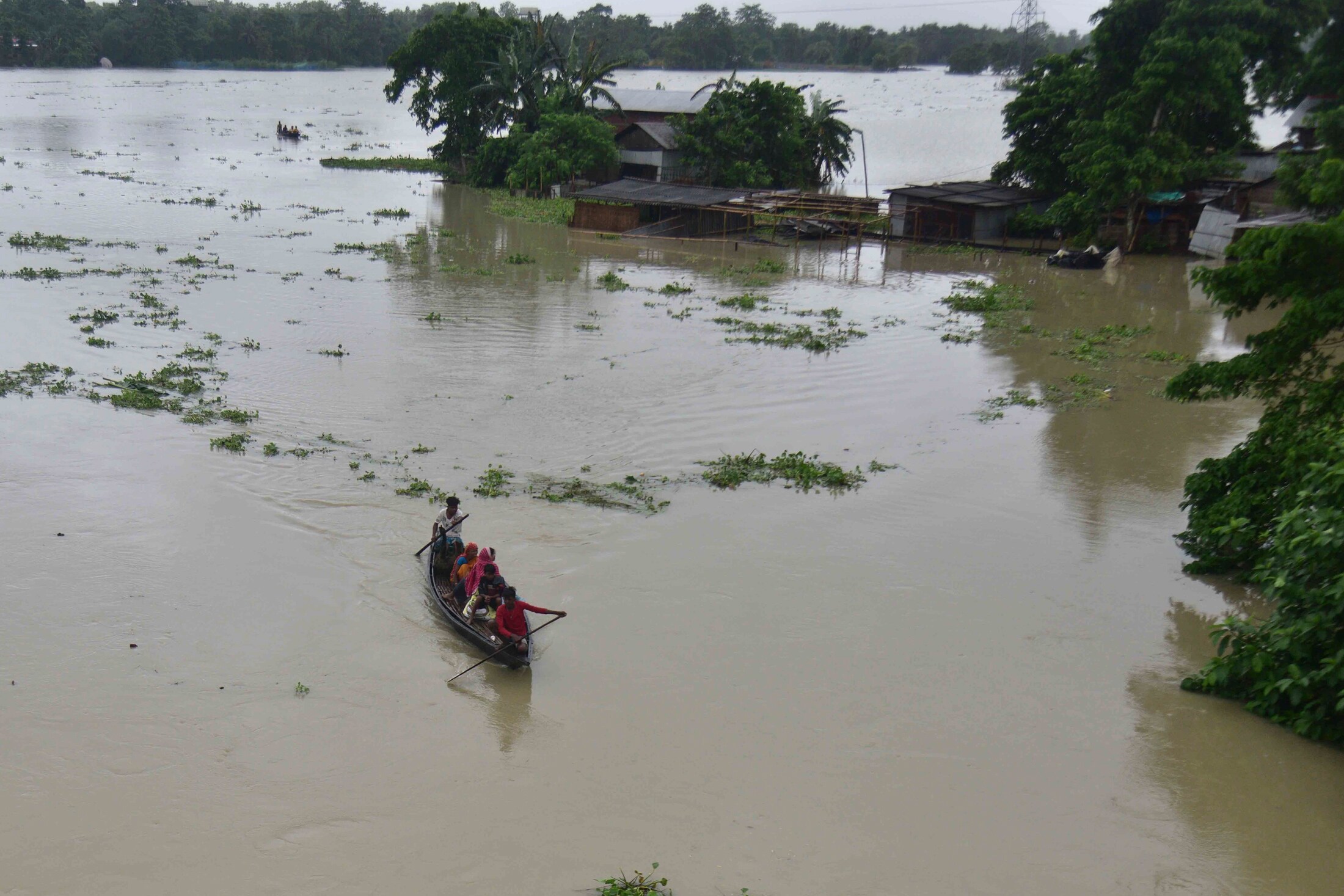
(Bloomberg) -- The monsoon has covered the entire country about six days earlier than normal, according to the India Meteorological Department, boosting prospects for crops such as rice, corn and soybeans.
Heavy rains are expected this week in several states, including Punjab, Haryana, Uttar Pradesh, Bihar and Maharashtra, the weather department said in a statement. There is a risk of localized floods, water logging in low-lying areas and the closure of subways mainly in urban areas, it said.
The weather pattern, which irrigates half of the nation's farmland, started its journey from the southern state of Kerala on May 30, two days earlier than its normal onset date. After a poor start, with rains being 11% below a long-period average in June, the situation has been improving and the cumulative rainfall is now only 5% below normal. The IMD has predicted ample rains in July.
The revival bodes well for farm activities in the world's most populous country, where agriculture supports about 60% of its 1.4 billion people. A bumper harvest shapes the health of the fifth-biggest economy, keeps a lid on food inflation, which was at 8.7% in May, and provides comfort to the government to export commodities. India has restricted shipments of wheat, rice and sugar to maintain adequate local supplies.
The weather department advised farmers, especially in the northeastern states, West Bengal, Odisha, Bihar and Tamil Nadu, to drain out excess water from crop fields to avoid stagnation. It also issued warnings for flash floods at some places in Assam, Sikkim, Uttarakhand and Meghalaya states.
Sowing of monsoon crops will gather momentum in the coming days. However, crop yields would depend on the intensity and spread of rains in the crucial month of July. Any failure in the monsoon this month will not only hurt farm output, but also prevent reservoirs storing enough water for use in winter crops such as wheat and rapeseed.
Sowing had been completed on 24 million hectares of land (59 acres) as of June 28, about 33% higher than a year earlier, according to the farm ministry. The rice area was steady at 2.3 million hectares, while soybeans have been planted on 3.4 million hectares, against 0.2 million in the corresponding period of 2023.
--With assistance from Pratik Parija.
More stories like this are available on bloomberg.com
©2024 Bloomberg L.P.

-
Talking Points This Week: Tech Nerves, FII Buying, And A Faraway Banking Shock

The global markets are not shining this Diwali. The exception in the large markets is, India.
-
Midterm Rally Lasted A Day. The Hard Reality Of A Divided US May Last Two Years | Opinion
Between a contested AI boom, a debt ceiling that arrives in 2027 and a president with every incentive to act alone, the next two years may prove more volatile than the first day's rally suggests.
-
Blue Wave Will Derail the AI Trade but Won't Dismantle the AI Era | Unhedged Position
The Democrats' sweep of the US Congress will see politics collide with economic forces both over the long and short term.
-
It's Time To Take The GST Council's Bet On Trust Global
Payment records can prove India's services exports, and clear, proportionate rules can bring foreign digital sellers into the tax net.
-
Opinion | India at 38: From Innovation Overperformer to Innovation Powerhouse
India now has 453 VC-backed deep science startups, 18 of them late-stage, after 117 percent growth since 2020. Laurus Labs, at USD 9.3 billion, is the most valuable deep science company in any middle-income economy outside China.
-
Navigating Energy Crossroads: S Jaishankar's Call For Diversified Supply Chains At G20 Ministerial Meeting
As geopolitical fault lines continue to test maritime trade routes and commodity flows, Jaishankar's message remains pertinent: true economic resilience requires open markets, protected transit lines, and a genuine commitment to multilateral cooperation rather than coercion.
-
Indians Are Travelling, But Not Every Journey Is A Holiday | The Week In Whys
Pilgrims, patients and working women are the real travellers, and the system hasn't quite caught up with them.
-
Getting To Work Costs Women More | The Reason Why
It is not just about women paying more than men. It is about women paying much more in cities than in villages.
-
AI Bias In Investing Cannot Be Eliminated, But It Can Be Governed
Framing is a particularly important example as identical financial information presented in terms of gains rather than losses can lead an LLM to reach a different assessment.









