India-UK FTA Signed: Farmers, Pharma, Textile Sectors To Benefit; Whisky May Turn Cheaper — Key Highlights
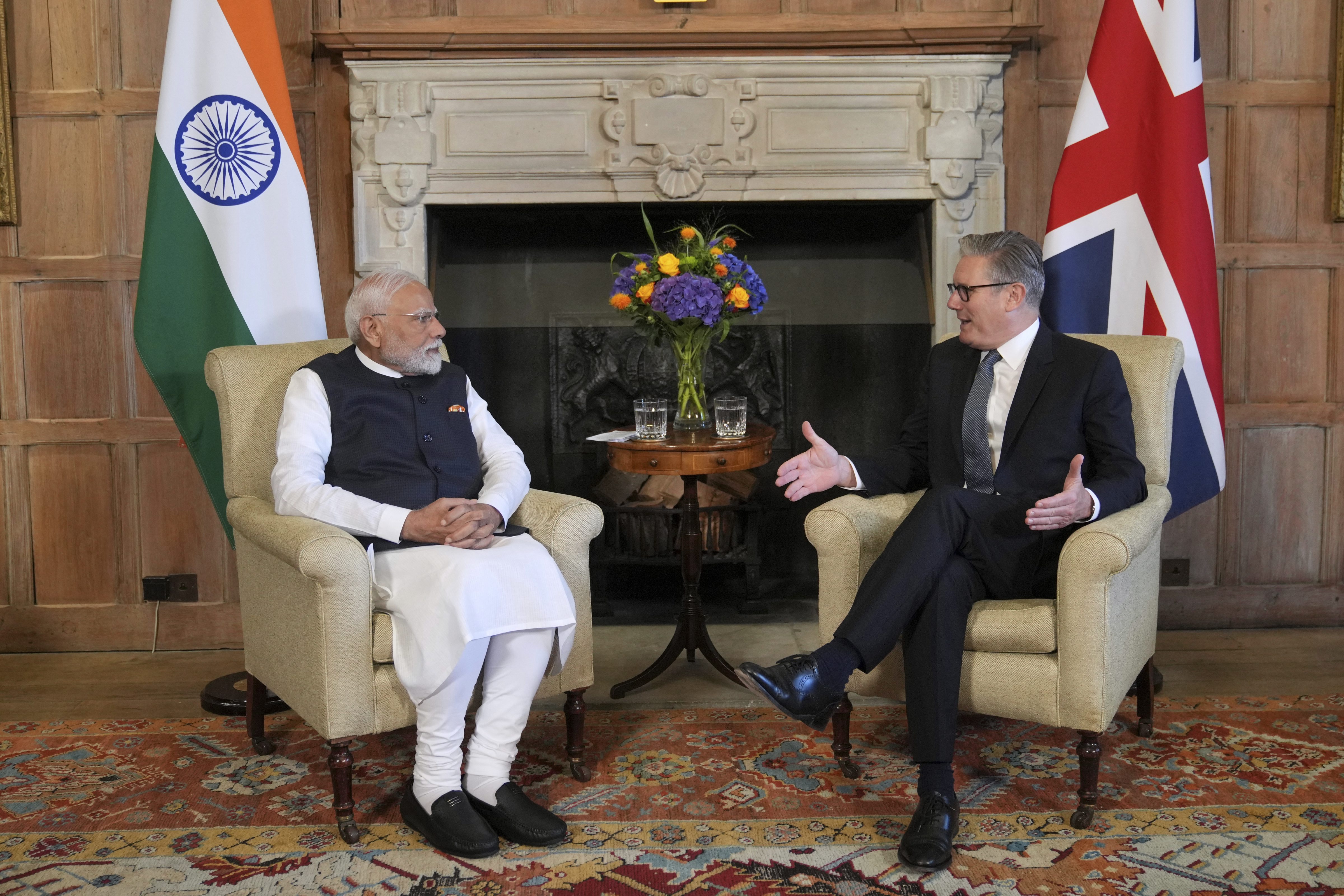
The landmark Free Trade Agreement between India and the United Kingdom has been signed on Thursday, marking a significant moment in their economic relationship. This deal, the culmination of over three years of negotiations, is anticipated to substantially boost bilateral trade and investment. The full UK-India FTA documents are set to be publicly released by 5:30 p.m.
"After years of work, we've signed a comprehensive economic and trade agreement," said PM Narendra Modi on the occasion. "This deal is a win-win for ‘Make In India' and ‘Vocal For Local', driving job creation, empowering communities, and reinforcing India's strategic trade leadership. It ushers in a new era of economic cooperation, reinvigorating our bilateral trade ties," tweeted Commerce Minister Piyush Goyal.
Here are the key highlights of the deal:
Pharma Sector To Get Major Boost
The pharmaceutical sector, despite representing a small percentage of tariff lines (0.6%), is of significant value. India's pharmaceutical exports to the UK are currently less than $1 billion, even though the UK imports $30 billion worth of pharma products. This indicates a substantial opportunity for growth, particularly in the generics and med-tech segments, which now benefit from the removal of tariffs.
Indian Farmers Prime Beneficiaries
In the agricultural sector, 95% of tariff lines have been granted duty-free access. This is expected to significantly benefit key Indian staples such as turmeric, pepper, cardamom, mango pulp, and marine products, including shrimp and tuna. As a result, agricultural exports are projected to increase by over 20% within the next three years. However, certain products like dairy, apples, and oats remain excluded from these tariff concessions.
Furthermore, Geographical Indications for exported products, such as Banarasi and Chanderi heritage crafts, will be protected, ensuring fair value for artisans in the industries.
Playing Field Levelled For Textile Sector
Tariffs on textiles, which were previously as high as 12%, have now been completely eliminated. This significant change creates a more equitable environment for Indian textile exporters, especially when competing with rivals like Bangladesh and Pakistan, who previously benefited from tariff-free access to the UK market.
Jewellery Sector Set To Shine
The pact is expected to significantly benefit India's gems and jewellery sector. With tariff relaxations in place, exports to the UK are projected to double within the next 2–3 years. Currently, the UK imports approximately $3 billion worth of jewellery annually. Of India's total exports to the UK, which stand at $941 million, $400 million is already attributed to jewellery.
Services Sector To Benefit From UK Access
The FTA is set to boost India's services sector, opening up the UK market for Indian professionals in IT, finance, education, and various other professional services. Notably, India has secured substantial gains in digitally delivered services, including telecom and engineering, which are expected to create employment opportunities. Furthermore, Indian chefs, yoga instructors, and musicians will gain temporary access to the UK job market.
A significant financial benefit for Indian workers in the UK is an estimated annual saving of Rs 4,000 crore due to a three-year social security exemption.
Price Cuts In Scotch
While Scotch whisky might become cheaper in India, its impact on the overall market is unlikely to be transformative. Any price reductions will largely depend on the states' pricing mechanisms, as they may adjust ex-distillery prices and excise duty rates to maintain their significant excise collections. Multinational corporations might initially cut billing prices by mid-to-high single digits for 6-12 months, but these prices are expected to revert.

-
Navigating Energy Crossroads: S Jaishankar's Call For Diversified Supply Chains At G20 Ministerial Meeting

As geopolitical fault lines continue to test maritime trade routes and commodity flows, Jaishankar's message remains pertinent: true economic resilience requires open markets, protected transit lines, and a genuine commitment to multilateral cooperation rather than coercion.
-
Indians Are Travelling, But Not Every Journey Is A Holiday | The Week In Whys
Pilgrims, patients and working women are the real travellers, and the system hasn't quite caught up with them.
-
Getting To Work Costs Women More | The Reason Why
It is not just about women paying more than men. It is about women paying much more in cities than in villages.
-
AI Bias In Investing Cannot Be Eliminated, But It Can Be Governed
Framing is a particularly important example as identical financial information presented in terms of gains rather than losses can lead an LLM to reach a different assessment.
-
Joining The Dots | Dark Skies, Steady Diya: Why Hope Holds This Diwali
With war, a weak rupee and foreign outflows weighing on sentiment, policymakers at the NDTV World Summit and market veterans at NDTV Profit Ignite: Diwali Edition offered the same advice: stay invested and filter out the noise.
-
The Curious Case of Equitas Small Finance Bank And A CEO Who Quit For Stock
PN Vasudevan believes persistent investor concerns over a perceived conflict of interest had become a governance overhang on Equitas Small Finance Bank's stock, even as the lender improved profitability and asset quality.
-
Talking Points This Week: AI Cash Burn, A Tiger Comeback And An India That Still Finds Its Own Path
India is not immune to higher oil or tighter global liquidity, yet its earnings base is broader, its domestic policy levers are still available.
-
Foreign Investors Own Half Of HDFC Bank and ICICI Bank. An LTCG Cut Could Matter Most Here
Foreign portfolio investors have US$115 billion parked in HDFC Bank, ICICI Bank. If the government cuts long-term capital gains tax, Jefferies says returning foreign money could land here first.
-
'Never Seen This Level Of Negativity': Sandeep Tandon Says The Next Rally May Be Closer Than You Think
Veteran investor Sandeep Tandon says foreign selling is easing, large-caps are due a comeback and mid-caps are crowded, while he turns positive on gold, power and pharma this Diwali.










