India Sees Surge In Power Demand, Consumption Up Nearly 7% In March
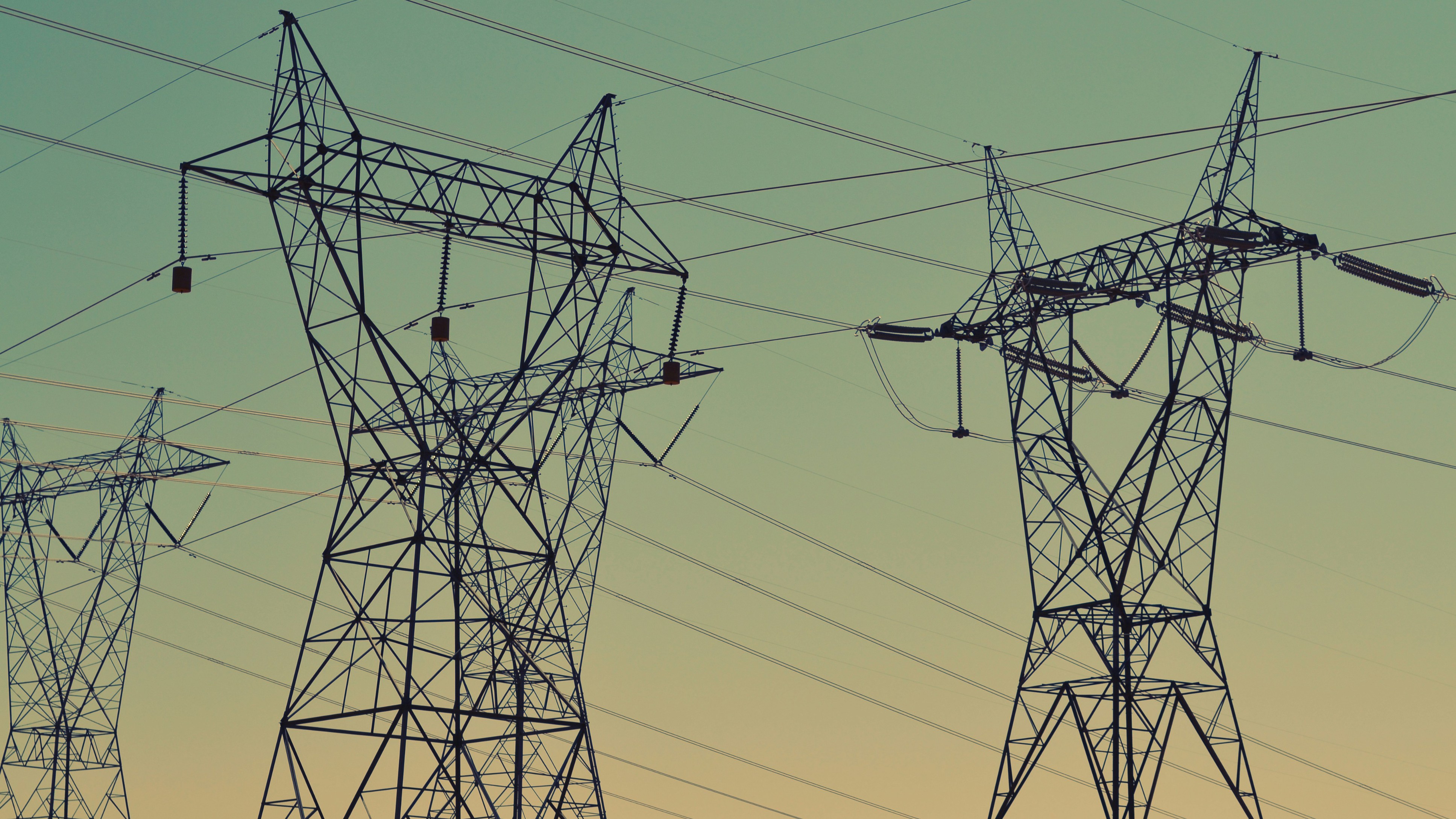
India's electricity consumption surged by nearly 7% to 148.48 billion units in March, compared to 138.95 BU in March 2024, driven by rising temperatures. The peak power demand, representing the highest daily supply, also increased to 235.22 gigawatts last month, up from 221.68 GW in March 2024.
In May 2024, the peak power demand reached an all-time high of approximately 250 GW. This surpassed the previous record of 243.27 GW, set in Sept. 2023. The Ministry of Power had projected a peak demand of 260 GW for the 2024 summer, and forecasts indicate it could reach 277 GW by the summer of 2025.
Experts anticipate further increases in power demand and consumption from April onwards, due to expected above-average temperatures. The India Meteorological Department predicts hotter-than-usual conditions from April to June, with more heatwave days in central and eastern India and the northwestern plains.
Most of India is likely to experience higher-than-normal maximum temperatures in April, although some areas in the extreme south and northwest may have normal temperatures. Minimum temperatures are also expected to be higher than usual across most of the country, except for a few locations in the northwest and northeast.
This year, heatwaves arrived earlier than in 2024. The first heatwave in 2024 was recorded in Odisha on April 5, while parts of Konkan and coastal Karnataka experienced heatwaves as early as February 27-28 in 2025. Experts suggest India should prepare for a 9 to 10% growth in peak electricity demand this summer, given the anticipated increase in heatwave days.
(With inputs from PTI).

-
High US Salaries, No Green Card Certainty: The Financial Calculation Facing Indian H-1B Families

The suspension of PERM processing at eight technology employers does not cancel existing H-1B visas. What it does is force a question many Indian families have been avoiding: is the US salary worth tying your career and family plans to one employer?
-
Swiggy vs Eternal: Food Delivery's Two Rivals Are No Longer In The Same Race
Eternal is building a private AI assistant, dark.ai. Swiggy is still working out how to make Instamart pay, with an operating loss of Rs 895 crore in the July-September quarter while Blinkit stayed profitable.
-
Where You Live Shapes How You Get To Work | The Reason Why
Two-wheelers are the most popular way to get to work in India, accounting for nearly 43% of workplace commutes.
-
Unhedged Position: Can India See An Indonesia-Style Time Correction?
The Nifty is trading below levels it first clocked in 2024. Is there, then, as I have suggested in the headline, potential that the current time correction drags on painfully for the next three-five, even ten years?
-
Navigating Friction And Energy Realities: An Analysis Of Marco Rubio's October Visit To India
Occurring at a critical juncture marked by stalled trade negotiations and escalating geopolitical pressures over global energy supplies, the visit offers a profound window into modern US-India relations.
-
India Exports Capital. Why Not Export Trusteeship?
The big question, then, is whether India can build an institution that global borrowers, investors, banks, and lawyers can trust, even without an Indian connection.
-
France's Economy & Politics Are In Crisis | The Reason Why
Let's look at how the French economy and politics evolved under Nicolas Sarkozy, Franois Hollande and Emmanuel Macron.
-
You May Inherit The Business. You Must Earn Its Credibility.
Succession tests the founder's ability to share authority as much as it tests the next generation's readiness to assume it.
-
Signing Deals Is One Thing; Making Them Work Is Another | The Week In Whys
Sometimes, things don't turn out as planned. Indian companies have lost some bids to rivals, some projects won't produce until 2030.
-
FOMC Wall, PERM Suspension, Hospital Stocks | Talking Points This Week
A PERM suspension would directly affect green-card sponsorship rather than H-1B visas, so the near-term earnings impact could remain relatively limited. The key question is whether this marks a new phase in US scrutiny of Indian IT.









