HSBC Flash India PMI: Private Sector Closes FY25 Strong As Manufacturing Sales Growth Quickens
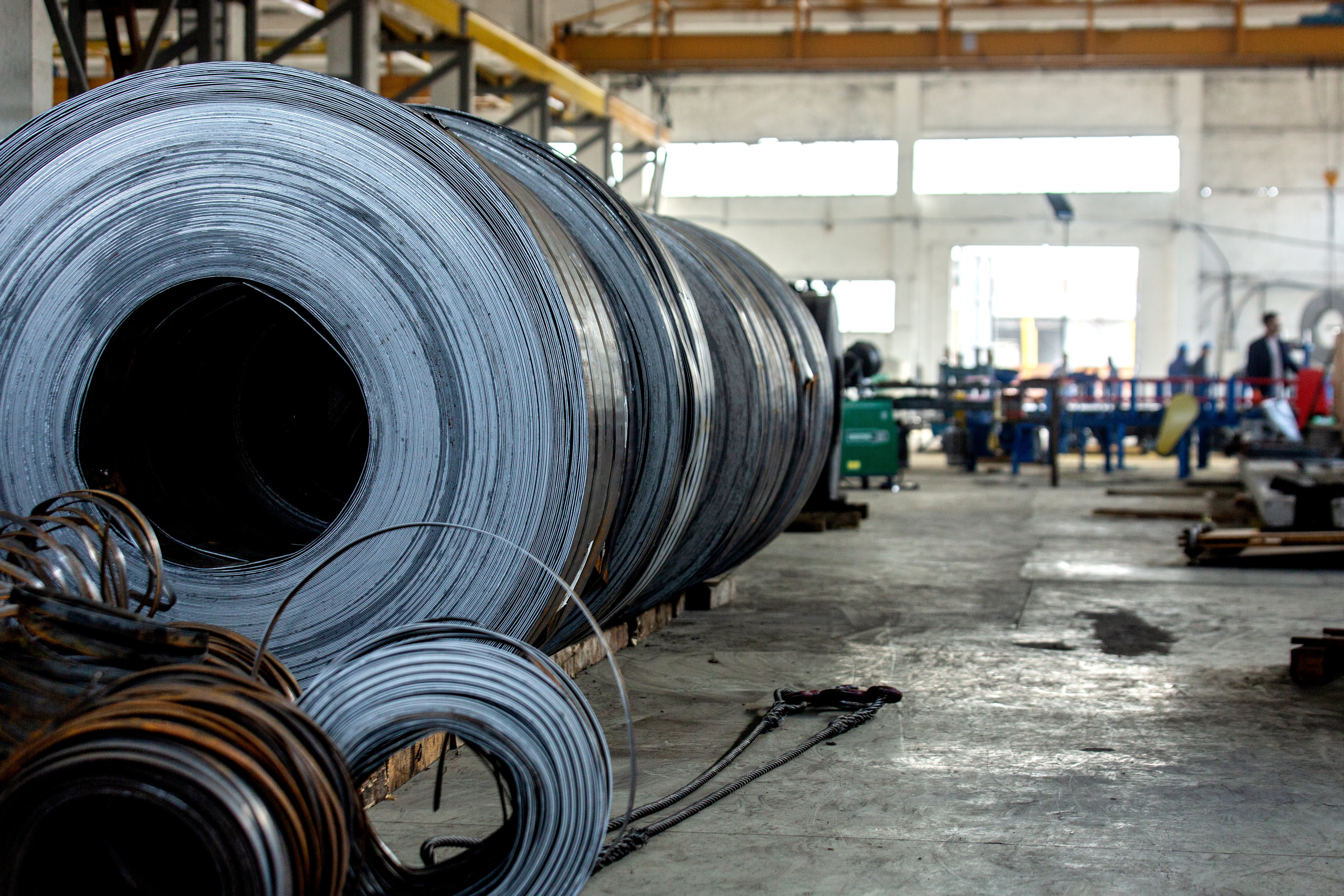
India's private sector economy ended FY25 on strong footing, with the manufacturing sector posting a quicker increase in sales and output.
The HSBC Flash India Composite Output Index was stable at 58.6 in March from February's final reading of 58.8. The latest figure was above its long-run average of 54.7 and continued to indicate a sharp rate of expansion. The slight slowdown reflected a softer increase in services activity, as factory production rose at the quickest pace since July 2024.
The HSBC Flash India Manufacturing PMI increased from 56.3 in February to 57.6 in March, signalling a notable improvement in operating conditions that was broadly aligned with the average for FY25. Three of its five main sub-components — output, new orders and stocks of purchases — rose since last month.
When explaining the increase in output, private sector companies mostly remarked on positive demand trends. Indeed, new orders rose further, thereby stretching the current sequence of expansion to over three-and-a-half years. The rate of growth was sharp, despite being a tick below that seen in the previous month.
Goods producers indicated a quicker increase than in February, and one that was above the growth rate recorded for service providers. Among the latter, the pace of expansion was the second-slowest since November 2023 as firms noted an intensification of competitive pressures.
Order book volumes at Indian private sector companies continued to be supported by international sales. New export order growth eased to a three-month low, but remained marked and above the average since the series started in September 2014. Manufacturing companies registered a faster upturn in new business from abroad than their services counterparts.
Outstanding business volumes across India's private sector increased during March. The rate of accumulation slowed from February, however, and was mild overall. There were softer increases in both the manufacturing and service categories. Nevertheless, efforts to stay on top of workloads and fulfil rising demand needs prompted private sector companies to hire extra staff in March. For the first time in seven months, manufacturers signalled a faster increase in headcounts than service providers.
Private sector businesses in India reported a further increase in their operating expenses, amid greater outlays on copper, electronics, food, leather, medical equipment, rubber and vehicle spare parts. Cost pressures were stronger in the service economy, despite a slowdown here and an acceleration at goods producers.
The aggregate rate of inflation, nevertheless, remained below its long-run average. Although some firms sought to share additional cost burdens with their clients by lifting selling charges, competitive conditions limited the extent to which these were passed on. Prices charged for Indian goods and services rose at the weakest rate since February 2022, with similar increases noted across the two monitored categories.
Business confidence remained strongly positive, but the overall level of sentiment slipped to a seven-month low in March. Fierce competition featured as the main worry among survey participants in the qualitative part of the survey. Both manufacturers and service providers were slightly less upbeat towards output prospects than in February.

-
Blue Wave Will Derail the AI Trade but Won't Dismantle the AI Era | Unhedged Position

The Democrats' sweep of the US Congress will see politics collide with economic forces both over the long and short term.
-
It's Time To Take The GST Council's Bet On Trust Global
Payment records can prove India's services exports, and clear, proportionate rules can bring foreign digital sellers into the tax net.
-
Opinion | India at 38: From Innovation Overperformer to Innovation Powerhouse
India now has 453 VC-backed deep science startups, 18 of them late-stage, after 117 percent growth since 2020. Laurus Labs, at USD 9.3 billion, is the most valuable deep science company in any middle-income economy outside China.
-
Navigating Energy Crossroads: S Jaishankar's Call For Diversified Supply Chains At G20 Ministerial Meeting
As geopolitical fault lines continue to test maritime trade routes and commodity flows, Jaishankar's message remains pertinent: true economic resilience requires open markets, protected transit lines, and a genuine commitment to multilateral cooperation rather than coercion.
-
Indians Are Travelling, But Not Every Journey Is A Holiday | The Week In Whys
Pilgrims, patients and working women are the real travellers, and the system hasn't quite caught up with them.
-
Getting To Work Costs Women More | The Reason Why
It is not just about women paying more than men. It is about women paying much more in cities than in villages.
-
AI Bias In Investing Cannot Be Eliminated, But It Can Be Governed
Framing is a particularly important example as identical financial information presented in terms of gains rather than losses can lead an LLM to reach a different assessment.
-
Joining The Dots | Dark Skies, Steady Diya: Why Hope Holds This Diwali
With war, a weak rupee and foreign outflows weighing on sentiment, policymakers at the NDTV World Summit and market veterans at NDTV Profit Ignite: Diwali Edition offered the same advice: stay invested and filter out the noise.
-
The Curious Case of Equitas Small Finance Bank And A CEO Who Quit For Stock
PN Vasudevan believes persistent investor concerns over a perceived conflict of interest had become a governance overhang on Equitas Small Finance Bank's stock, even as the lender improved profitability and asset quality.










