GST: Taxman May Go After Advertisement Costs Of Consumer Goods Firms
The Directorate General of Goods and Services Tax Intelligence has initiated its investigation against consumer goods companies for claiming input tax credit on advertisements at point-of-sale display or retail stores, two people aware of the development told BloombergQuint.
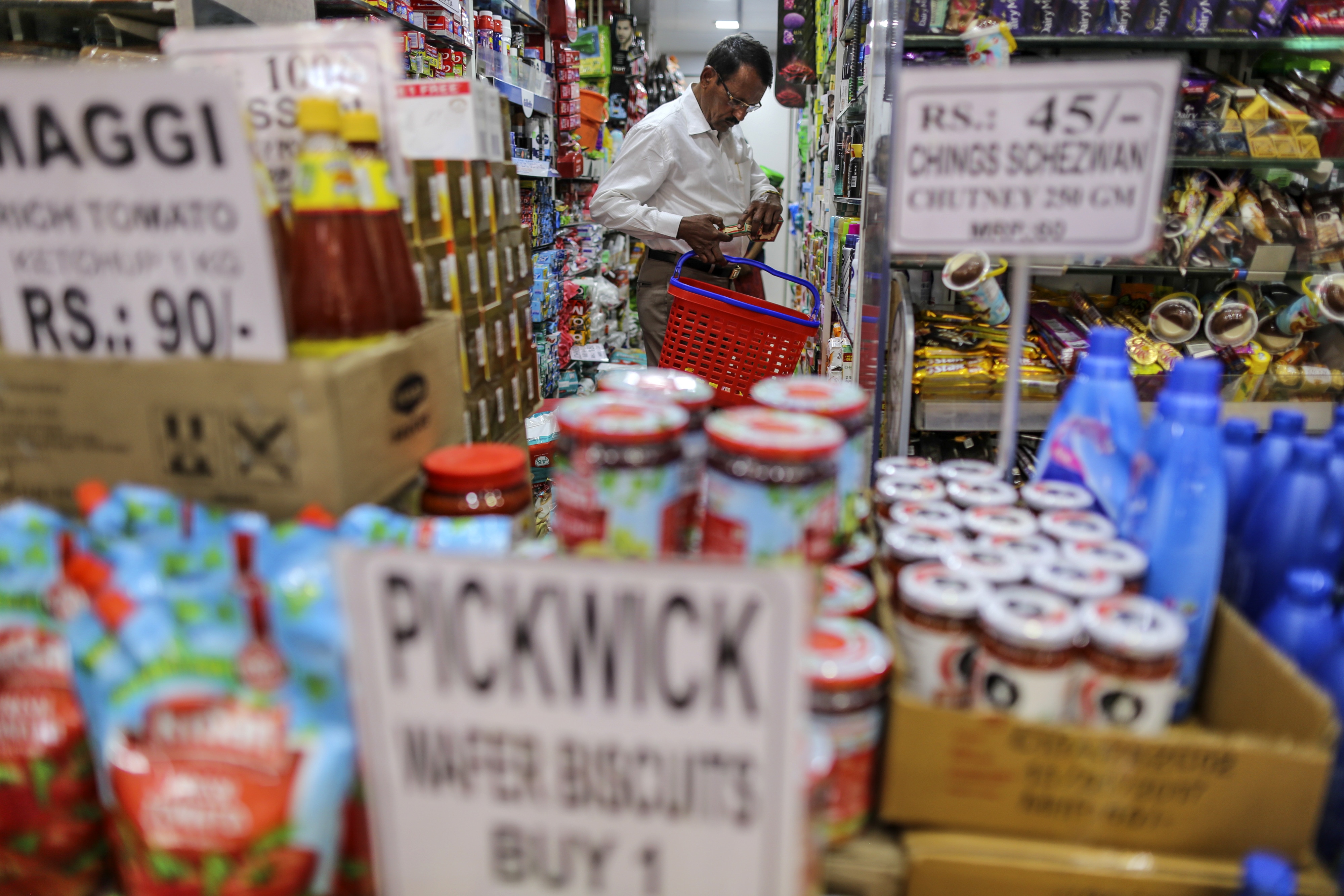
Consumer goods companies advertise their products at retail stores through posters and dedicated branded stands for products, among others. These companies claim input tax credit for the tax paid on these products as advertising expense.
These products are supplied to retailers for free and companies are not eligible to claim credit for tax paid on them, according to DGGSTI. This is in line with the Section 17 (5)(h) of the Central Goods and Services Tax Act, which states that input tax credit shall not be available on goods lost, stolen, destroyed, written off or given as a gift or free samples. BloombergQuint had earlier reported that the taxman may ask companies to pay tax on promotional offers like ‘buy-1-get-1-free'.
The tax department has not yet issued notices to these companies, the first person quoted above said.
Beverage makers like PepsiCo and Coca-Cola may also have to bear the brunt as they supply refrigerators to retailers with the companies' branding and claim credit for the tax paid on them, one of the two persons quoted above said.
PepsiCo and Coca-Cola are yet to respond to BloombergQuint's emailed queries. Maggi noodles maker Nestle India Ltd. and ITC Ltd. told BloombergQuint that they have not received any summon from the tax department yet.
Details relating to any summons, enquiry or other proceeding pending before any authority is private and confidential, an ITC spokesperson said, adding the company does not comment on any enquiry or other proceedings pending before any authority or court.
'Not Gifts'
Ideally, GST credit on point-of-sale material should be allowed to businesses as they are typically used at retailer or dealers' premises for marketing and selling of businesses' goods only, said Abhishek Jain, indirect tax partner at EY India. “This argument will get stronger if businesses retain ownership of such point-of-sale material.”
Under the value added tax regime as well, treatment of free supplies was considered as a disputed area since credit could be denied to a taxpayer if any item is given for free.
The law is clear on non-availment of credit in case of gifts. Advertisement and promotional materials like standees and banners and other communications are not gifts, said Sumit Lunker, indirect tax expert at PwC India.
“These are given to distributors and stores for display and not for further supply, and expenses for the same are directly charged to the profit and loss account, normally under the head advertisement and promotion expenses,” Lunker told BloombergQuint.

-
Talking Points This Week: Tech Nerves, FII Buying, And A Faraway Banking Shock

The global markets are not shining this Diwali. The exception in the large markets is, India.
-
Midterm Rally Lasted A Day. The Hard Reality Of A Divided US May Last Two Years | Opinion
Between a contested AI boom, a debt ceiling that arrives in 2027 and a president with every incentive to act alone, the next two years may prove more volatile than the first day's rally suggests.
-
Blue Wave Will Derail the AI Trade but Won't Dismantle the AI Era | Unhedged Position
The Democrats' sweep of the US Congress will see politics collide with economic forces both over the long and short term.
-
It's Time To Take The GST Council's Bet On Trust Global
Payment records can prove India's services exports, and clear, proportionate rules can bring foreign digital sellers into the tax net.
-
Opinion | India at 38: From Innovation Overperformer to Innovation Powerhouse
India now has 453 VC-backed deep science startups, 18 of them late-stage, after 117 percent growth since 2020. Laurus Labs, at USD 9.3 billion, is the most valuable deep science company in any middle-income economy outside China.
-
Navigating Energy Crossroads: S Jaishankar's Call For Diversified Supply Chains At G20 Ministerial Meeting
As geopolitical fault lines continue to test maritime trade routes and commodity flows, Jaishankar's message remains pertinent: true economic resilience requires open markets, protected transit lines, and a genuine commitment to multilateral cooperation rather than coercion.
-
Indians Are Travelling, But Not Every Journey Is A Holiday | The Week In Whys
Pilgrims, patients and working women are the real travellers, and the system hasn't quite caught up with them.
-
Getting To Work Costs Women More | The Reason Why
It is not just about women paying more than men. It is about women paying much more in cities than in villages.
-
AI Bias In Investing Cannot Be Eliminated, But It Can Be Governed
Framing is a particularly important example as identical financial information presented in terms of gains rather than losses can lead an LLM to reach a different assessment.









