GST: Include Bidi In Demerit Goods, Cancer Doctors Urge PM Modi
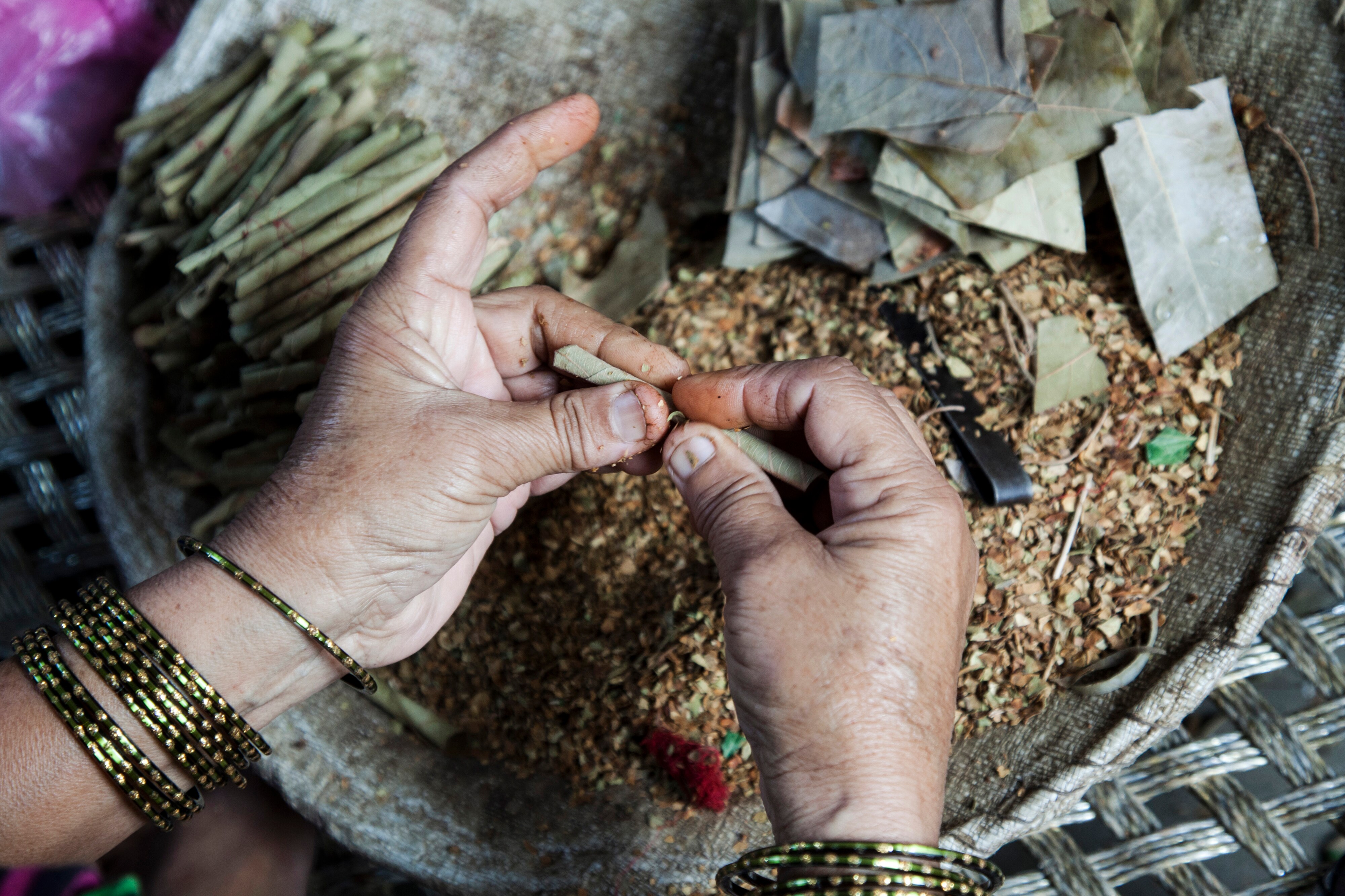
Leading oncologists from over 100 cancer hospitals have urged the prime minister to include bidi in the list of demerit goods under the GST regime, saying this low-cost tobacco product is the single largest cause of smoking-related deaths in the country.
The demand from leading oncologists and 108 cancer hospitals under the aegis of the state-funded National Cancer Grid (NCG), comes ahead of the GST Council meeting on Monday in the national capital that is likely to fix GST rates, including those on demerit goods.
The meeting, to be chaired by Prime Minister Narendra Modi, is also expected to finalise the fitment of various goods and services into five slabs under the GST regime.
The call follows media reports that the government may exclude bidi from the list of demerit goods and additional cess to protect the interest of tobacco farmers.
Oncologists from 108 cancer centres, led by Tata Memorial Centre, pleaded with Modi in a letter to end the serious anomaly of low tax on bidis in the Goods and Services Tax as bidi smoking alone kills as many as 6 lakh or 60 percent of all cancer-related deaths annually.
The NCG is a network of 108 cancer hospitals, research institutes, patient groups, professional societies and charities and works towards uniform quality of cancer care across the country.
It is estimated that around 6 lakh cancer patients are treated annually at the NCG centres, which amounts to 60 per cent of the total cancer patients in the country.
Calling for putting all tobacco products, including bidis in the demerit goods list under GST and fixing a uniform tax on all tobacco items, R A Badwe, director at Tata Memorial Centre said: "The present tobacco taxation is much lower than the WHO recommended level. GST is a golden opportunity to correct this historical aberration in tobacco taxation.”
"In the interest of citizens, especially future generations, we urge you to put all tobacco products, including bidis, in the category of demerit goods in the proposed GST structure and rates."
Pramesh C S, cancer surgeon at the Tata Memorial hospital, which is the largest cancer facility in the country, and coordinator of the NCG said, "tobacco kills every third user prematurely and unfortunately every third adult uses some form of tobacco"
Also Read: GST: Prior Registration, E-Way Bill For Goods Worth Rs 50,000 Or More In Transit
About 10 lakh die of tobacco-related diseases each year in the country and nearly 40 percent of all cancer cases the country are attributable to tobacco usage. High taxation will certainly curb this epidemic.Pramesh CS, Cancer Surgeon, Tata Memorial Hospital
The letter pointed out that according to the Union health ministry, total economic cost attributable to tobacco use in 2011 was a staggering Rs 1.05 lakh crore or 1.16 percent of the then GDP. It was 12 percent more than the combined healthcare budgets of the Centre and states.
The total excise duty collected from tobacco was however only 17 percent of this cost, Badwe said.
A uniform taxation on all tobacco products can be a first effective step to discourage its consumption, the letter said.
It concluded by saying that cancer cannot be defeated unless tobacco use is curtailed and termed tobacco-related deaths as man-made disasters.

-
High US Salaries, No Green Card Certainty: The Financial Calculation Facing Indian H-1B Families

The suspension of PERM processing at eight technology employers does not cancel existing H-1B visas. What it does is force a question many Indian families have been avoiding: is the US salary worth tying your career and family plans to one employer?
-
Unhedged Position: Can India See An Indonesia-Style Time Correction?
The Nifty is trading below levels it first clocked in 2024. Is there, then, as I have suggested in the headline, potential that the current time correction drags on painfully for the next three-five, even ten years?
-
Navigating Friction And Energy Realities: An Analysis Of Marco Rubio's October Visit To India
Occurring at a critical juncture marked by stalled trade negotiations and escalating geopolitical pressures over global energy supplies, the visit offers a profound window into modern US-India relations.
-
India Exports Capital. Why Not Export Trusteeship?
The big question, then, is whether India can build an institution that global borrowers, investors, banks, and lawyers can trust, even without an Indian connection.
-
France's Economy & Politics Are In Crisis | The Reason Why
Let's look at how the French economy and politics evolved under Nicolas Sarkozy, Franois Hollande and Emmanuel Macron.
-
You May Inherit The Business. You Must Earn Its Credibility.
Succession tests the founder's ability to share authority as much as it tests the next generation's readiness to assume it.
-
Signing Deals Is One Thing; Making Them Work Is Another | The Week In Whys
Sometimes, things don't turn out as planned. Indian companies have lost some bids to rivals, some projects won't produce until 2030.
-
FOMC Wall, PERM Suspension, Hospital Stocks | Talking Points This Week
A PERM suspension would directly affect green-card sponsorship rather than H-1B visas, so the near-term earnings impact could remain relatively limited. The key question is whether this marks a new phase in US scrutiny of Indian IT.
-
Everything, Everywhere, All At Once: Dalal Street's Week To Forget | Joining The Dots
Visa curbs, a Starlink spat and cancer drug caps: what connects this week's shocks for Indian markets
-
India Is Going Abroad For Critical Minerals. But It May Take Years To Pay Off | The Reason Why
Although India's steps are in the right direction, they remain modest compared with India's growing dependence.









