Finance Minister Nirmala Sitharaman Signals Major Customs Overhaul Ahead Of Budget
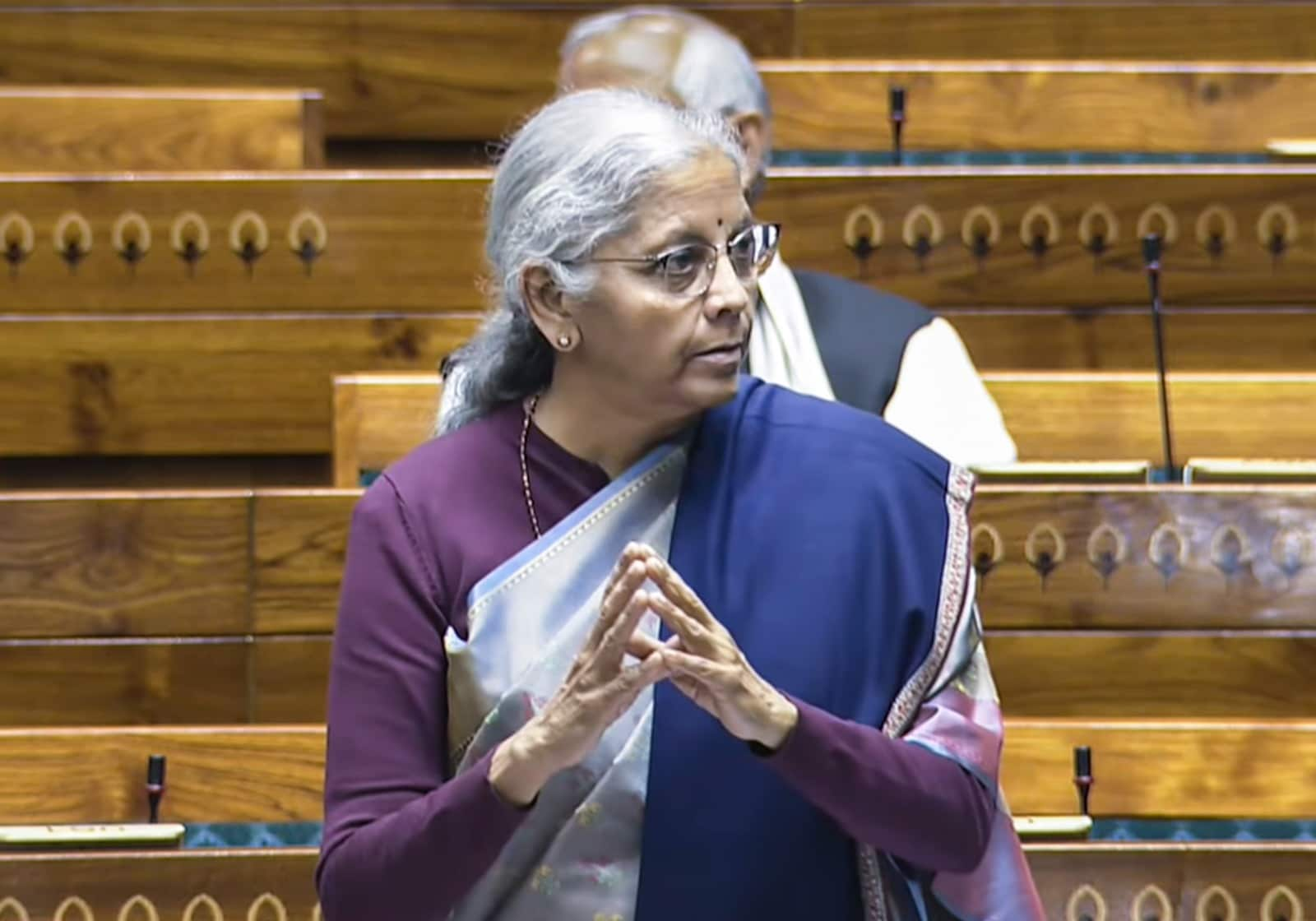
Finance Minister Nirmala Sitharaman has indicated that a sweeping overhaul of India's customs framework is imminent, signalling one of the most significant reforms to the system in recent years.
Speaking at the Hindustan Times Leadership Summit, the Minister described customs as her “next big clean-up job,” emphasising the urgent need to simplify the regime, enhance transparency and make the entire process fully faceless.
Sitharaman noted that while India is broadly aligned with global customs standards, persistent issues in execution continue to hamper efficiency. She drew parallels with the earlier challenges in income tax administration, where complicated procedures had resulted in what she termed “tax terrorism.”
The government subsequently undertook a comprehensive reform—simplifying processes, improving technology and introducing faceless assessments. A similar model, she said, is now being prepared for customs.
A key concern driving the revamp is the rising risk of illicit contraband entering the country. The Minister called this a “serious problem” that requires stronger risk-based checks without adding friction for legitimate trade. By making the system fully faceless and automating decision-making, the government aims to eliminate discretion, reduce harassment and ensure consistent enforcement.
Sitharaman highlighted that customs duties have already been reduced steadily over the last two years. However, she acknowledged that some duty slabs remain high and “will have to come down” as part of a rationalised structure. Lower and simplified duty rates, she suggested, would reduce disputes, improve compliance and support trade competitiveness.
The Minister stressed that the overhaul is not a Budget-day surprise but a well-signalled structural reform. “It's not a secret I'm letting out before the Budget,” she remarked, underscoring that the groundwork is already underway. However, when asked whether the revamp would amount to a “big bang reform,” she deferred the characterisation to the media.

-
High US Salaries, No Green Card Certainty: The Financial Calculation Facing Indian H-1B Families

The suspension of PERM processing at eight technology employers does not cancel existing H-1B visas. What it does is force a question many Indian families have been avoiding: is the US salary worth tying your career and family plans to one employer?
-
Swiggy vs Eternal: Food Delivery's Two Rivals Are No Longer In The Same Race
Eternal is building a private AI assistant, dark.ai. Swiggy is still working out how to make Instamart pay, with an operating loss of Rs 895 crore in the July-September quarter while Blinkit stayed profitable.
-
Where You Live Shapes How You Get To Work | The Reason Why
Two-wheelers are the most popular way to get to work in India, accounting for nearly 43% of workplace commutes.
-
Unhedged Position: Can India See An Indonesia-Style Time Correction?
The Nifty is trading below levels it first clocked in 2024. Is there, then, as I have suggested in the headline, potential that the current time correction drags on painfully for the next three-five, even ten years?
-
Navigating Friction And Energy Realities: An Analysis Of Marco Rubio's October Visit To India
Occurring at a critical juncture marked by stalled trade negotiations and escalating geopolitical pressures over global energy supplies, the visit offers a profound window into modern US-India relations.
-
India Exports Capital. Why Not Export Trusteeship?
The big question, then, is whether India can build an institution that global borrowers, investors, banks, and lawyers can trust, even without an Indian connection.
-
France's Economy & Politics Are In Crisis | The Reason Why
Let's look at how the French economy and politics evolved under Nicolas Sarkozy, Franois Hollande and Emmanuel Macron.
-
You May Inherit The Business. You Must Earn Its Credibility.
Succession tests the founder's ability to share authority as much as it tests the next generation's readiness to assume it.
-
Signing Deals Is One Thing; Making Them Work Is Another | The Week In Whys
Sometimes, things don't turn out as planned. Indian companies have lost some bids to rivals, some projects won't produce until 2030.
-
FOMC Wall, PERM Suspension, Hospital Stocks | Talking Points This Week
A PERM suspension would directly affect green-card sponsorship rather than H-1B visas, so the near-term earnings impact could remain relatively limited. The key question is whether this marks a new phase in US scrutiny of Indian IT.









