Economic Survey: Renegotiating Power Pacts Will Disrupt Renewable Energy Sector
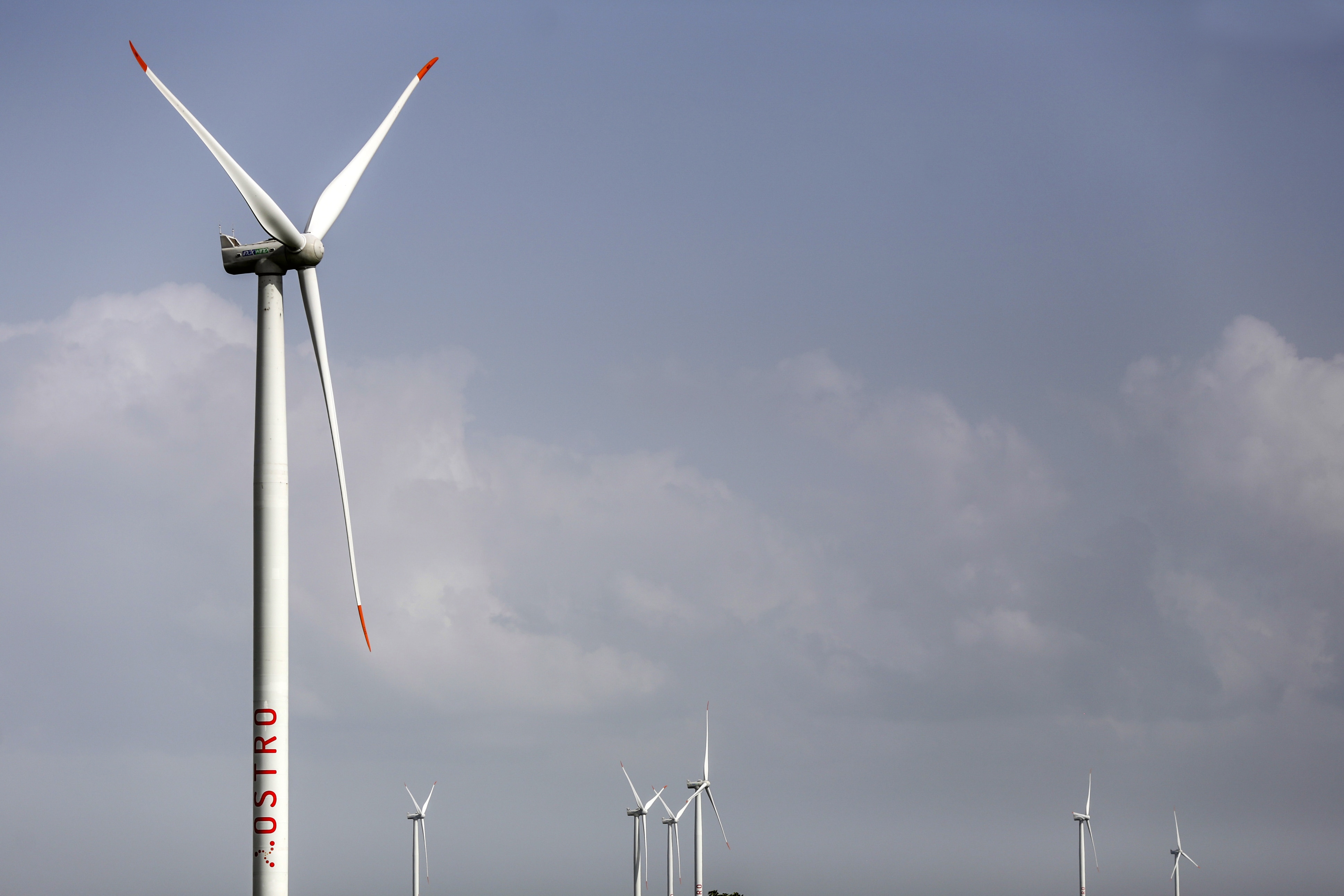
The Economic Survey cautions that renegotiation of power purchase agreements by states to benefit from all-time low renewable energy tariffs will cause uncertainty and lead to legal battles.
Bid to scrap pacts to seek lower tariffs will create uncertainty for the renewable energy producers and banks, already saddled with high bad loans, may become apprehensive of lending to the sector, Chief Economic Adviser Arvind Subramanian wrote in the survey. “There are cases where developers have already made huge investments into renewable energy projects based on the expected stream of revenue.”
There have been attempts by Andhra Pradesh, Karnataka and Uttar Pradesh to renegotiate or cancel pacts with wind and solar power producers as tariffs fell to their lowest. This, Crisil said in a 2017 report, could put investments worth Rs 48,000 crore at risk.
Also Read: Economic Survey: Government Sees FY19 Growth At 7-7.5%
The discovery of very low tariffs through auctions possibly contributed to some demands for renegotiation of pacts, the survey said. It highlighted the need for revisiting subsidies and incentives to the sector to avoid such renegotiation.
“The concern is that even if one state attempts to renegotiate PPAs, it would irreparably affect all future projects pushing up the cost of capital and turning away investors,” said Kameswara Rao, partner (energy, utilities and mining) at PwC India. “This would be counterproductive considering India's per capital electricity consumption is barely one-third of world average, which means new investment in power generation at an affordable cost is still a need. This, in substance, is the point made in the Economic Survey.”
Rao said gains from renegotiation may be marginal as past costs were indeed higher. “In contrast, increased financing costs for future projects will be real, besides the higher risk premium that investors and lenders will factor in.”
The expectation from the government is to enforce power purchase agreements. That's especially crucial given India's ambitious target to increase renewable energy capacity by nearly threefold to 175 gigawatts by 2022.
Union Minister for Power RK Singh had said the government would include penalty provisions in the Electricity Act amendment bill for stricter enforcement of power purchase pacts. The bill is likely to be tabled in the budget session.

-
Navigating Energy Crossroads: S Jaishankar's Call For Diversified Supply Chains At G20 Ministerial Meeting

As geopolitical fault lines continue to test maritime trade routes and commodity flows, Jaishankar's message remains pertinent: true economic resilience requires open markets, protected transit lines, and a genuine commitment to multilateral cooperation rather than coercion.
-
Indians Are Travelling, But Not Every Journey Is A Holiday | The Week In Whys
Pilgrims, patients and working women are the real travellers, and the system hasn't quite caught up with them.
-
Getting To Work Costs Women More | The Reason Why
It is not just about women paying more than men. It is about women paying much more in cities than in villages.
-
AI Bias In Investing Cannot Be Eliminated, But It Can Be Governed
Framing is a particularly important example as identical financial information presented in terms of gains rather than losses can lead an LLM to reach a different assessment.
-
Joining The Dots | Dark Skies, Steady Diya: Why Hope Holds This Diwali
With war, a weak rupee and foreign outflows weighing on sentiment, policymakers at the NDTV World Summit and market veterans at NDTV Profit Ignite: Diwali Edition offered the same advice: stay invested and filter out the noise.
-
The Curious Case of Equitas Small Finance Bank And A CEO Who Quit For Stock
PN Vasudevan believes persistent investor concerns over a perceived conflict of interest had become a governance overhang on Equitas Small Finance Bank's stock, even as the lender improved profitability and asset quality.
-
Talking Points This Week: AI Cash Burn, A Tiger Comeback And An India That Still Finds Its Own Path
India is not immune to higher oil or tighter global liquidity, yet its earnings base is broader, its domestic policy levers are still available.
-
Foreign Investors Own Half Of HDFC Bank and ICICI Bank. An LTCG Cut Could Matter Most Here
Foreign portfolio investors have US$115 billion parked in HDFC Bank, ICICI Bank. If the government cuts long-term capital gains tax, Jefferies says returning foreign money could land here first.
-
'Never Seen This Level Of Negativity': Sandeep Tandon Says The Next Rally May Be Closer Than You Think
Veteran investor Sandeep Tandon says foreign selling is easing, large-caps are due a comeback and mid-caps are crowded, while he turns positive on gold, power and pharma this Diwali.










