E-Rupee: RBI Releases Concept Note On Central Bank Digital Currency
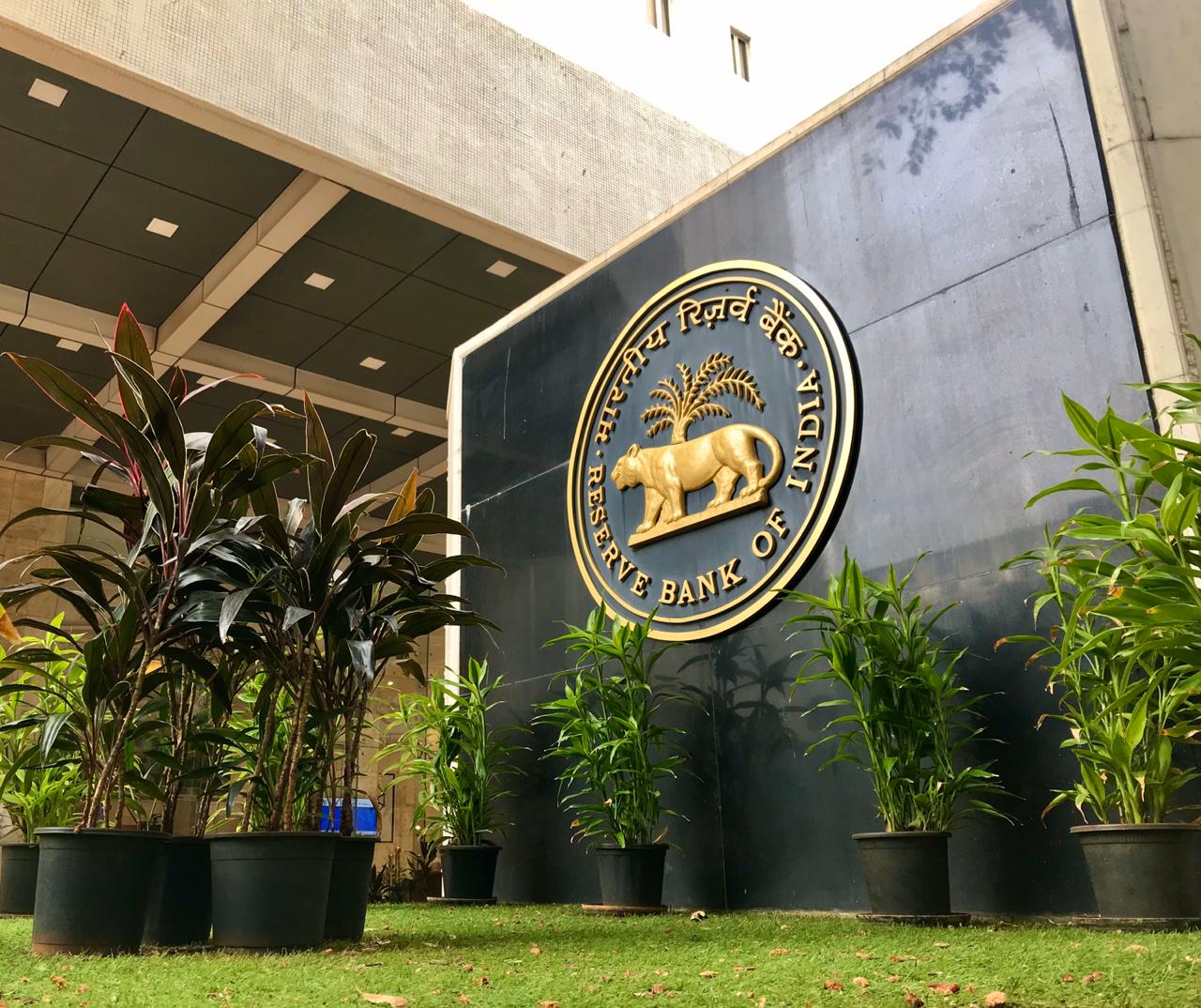
The Reserve Bank of India has issued a concept note exploring different dimensions and impact of issuing a central bank digital currency.
The digital currency has been named the e-rupee and has been defined as legal tender issued by the central bank in digital form.
Key motivations for issuing the CBDC include reduction in cost of physical cash management, fostering financial inclusion, innovation in cross-border payments and the provision of uses to the public that privately issued virtual currencies can offer, according to the concept note.
While the RBI has, in the past, declared its intention to trial a 'wholesale' version of the CBDC later this year, the note said that there is merit to issuing both wholesale and public-facing 'retail' CBDCs.
Wholesale CBDCs would be used to settle inter-bank transfers and related wholesale transactions, while a retail CBDC would be similar to the digital version of a banknote.
Structured as an exploratory note on design, technology, and policy choices surrounding the CBDC, the note does not indicate the specifics of what the RBI wishes to pursue, but hints at the central bank's preferences and the pros and cons of the different approaches.
"A wider proliferation of cryptocurrencies has the potential to diminish monetary authorities' potential to determine and regulate monetary policy," the note said, admonishing privately issued digital currencies.
"Though, at the outset, establishing a CBDC creation/issuance may entail significant fixed infrastructure costs, but subsequent marginal operating costs shall be very low," it said.
Since CBDC payments would be final and free from credit and liquidity risk, they could also help reduce settlement risk in the system, the note said.
While the paper examined different elements and approaches for the CBDC's design, technology infrastructure, anonymity and issuance, the RBI has also enumerated some of its preferences in the note.
Broadly, the RBI indicated a preference for issuing both retail and wholesale CBDCs, that would run on an intermediated model—with RBI issuing the CBDC and intermediaries like banks distributing it.
The RBI's states that the CBDC should not pay out any interest and have "managed anonymity" similar to cash.
It emphasised that the CBDC should be available for offline usage and its potential impact on the financial system and monetary policy should be borne in mind.
"RBI is currently engaged in working towards a phased implementation strategy," the note read.
Globally, 105 central banks are currently in the process of exploring a CBDC, according to data from The Atlantic Council. Ten countries have already launched a CBDC, including China, Jamaica and The Bahamas.

-
Love, Sex Aur Dhokha: The Audacious Plot To Spy On Jensen Huang

A Taipei dinner, a Singapore chip buyer and a suspected Chinese asset: inside the alleged spy operation that got close to NVIDIA's Jensen Huang.
-
Ten Things I Learnt This Samvat
Patience can be a trap. Cheap stocks can stay cheap. Leverage can wipe you out. What did Samvat 2082 teach us? Niraj Shah writes on 10 lessons from the year gone by.
-
Talking Points This Week: Tech Nerves, FII Buying, And A Faraway Banking Shock
The global markets are not shining this Diwali. The exception in the large markets is, India.
-
Midterm Rally Lasted A Day. The Hard Reality Of A Divided US May Last Two Years | Opinion
Between a contested AI boom, a debt ceiling that arrives in 2027 and a president with every incentive to act alone, the next two years may prove more volatile than the first day's rally suggests.
-
Blue Wave Will Derail the AI Trade but Won't Dismantle the AI Era | Unhedged Position
The Democrats' sweep of the US Congress will see politics collide with economic forces both over the long and short term.
-
It's Time To Take The GST Council's Bet On Trust Global
Payment records can prove India's services exports, and clear, proportionate rules can bring foreign digital sellers into the tax net.
-
Opinion | India at 38: From Innovation Overperformer to Innovation Powerhouse
India now has 453 VC-backed deep science startups, 18 of them late-stage, after 117 percent growth since 2020. Laurus Labs, at USD 9.3 billion, is the most valuable deep science company in any middle-income economy outside China.
-
Navigating Energy Crossroads: S Jaishankar's Call For Diversified Supply Chains At G20 Ministerial Meeting
As geopolitical fault lines continue to test maritime trade routes and commodity flows, Jaishankar's message remains pertinent: true economic resilience requires open markets, protected transit lines, and a genuine commitment to multilateral cooperation rather than coercion.
-
Indians Are Travelling, But Not Every Journey Is A Holiday | The Week In Whys
Pilgrims, patients and working women are the real travellers, and the system hasn't quite caught up with them.









