CS Setty: Meet The Man Who Could Be The Next SBI Chairman
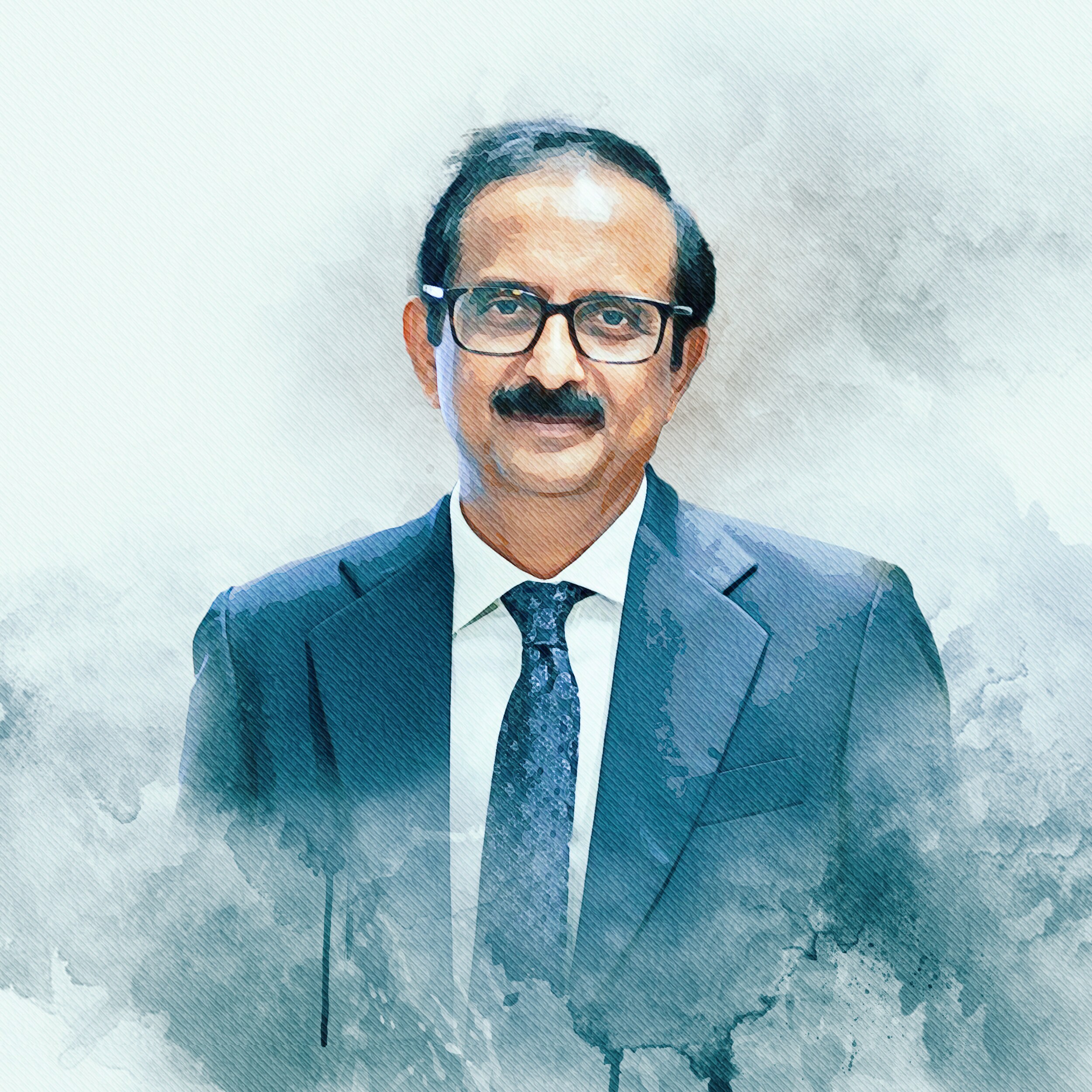
In 2018, State Bank of India held a dinner at a five-star hotel in Mumbai, as a way to introduce its top brass to reporters. It was a practice with many banks at the time, to improve on their relationship with the press.
It was essential then because banks were in early stages of exiting a major debt restructuring exercise and SBI was no exception. As is usual at these gatherings, the banker handling the most trending portfolio at the time would get mobbed by most reporters in the room.
In the middle of the ballroom, one officer stood among reporters regaling them with stories about his childhood. He was a mere child, working for his father's grocery store, where he and his brother would go out collecting dues from other villagers. The officer was talking about everything he learnt, as a youngster, about the value of timely recoveries.
In about a month after this dinner, the officer, Challa Sreenivasulu Setty, was appointed deputy managing director in the stressed assets management group. When he took over, SBI's total gross non-performing asset ratio was 10.91%. But that in the over Rs 10-lakh-crore corporate portfolio was close to 22%.
In an interview with Bloomberg in June 2020, Setty said that there were two lessons he learnt as an adolescent debt collector. The first was time value for money, implying that the sooner the debt is repaid, the better it is. The second lesson was to never stop following up with the borrower. These lessons drove his thought process of large debt resolutions at SBI.
When Setty left the stressed assets group in FY20, after his elevation to managing director of the retail and digital banking business, overall gross NPA ratio had fallen to 6.15%. Gross NPA in the corporate portfolio dropped to 9.67%, as of March 2020.
The general pick up in large-value resolutions through the Insolvency and Bankruptcy Code did help Setty in showing these results. His resume got a big boost as well.
Over the weekend, the Financial Services Institutions Board recommended Setty to be named the chairman of India's largest lender, succeeding Dinesh Kumar Khara in August. The final decision in the matter remains with the government; however, it seems that Setty will occupy the corner office in about two months.
A Diligent Officer
A soft-spoken and gentle professional, Setty is revered by his former colleagues as someone who always stands with his fellow officers. In a career spanning 36 years at SBI, Setty has worked across most verticals and has developed a strong rapport with the cadre across the country.
At least three of his former colleagues, who spoke with NDTV Profit on the condition of anonymity, said he was a thorough professional, keen on getting into the nitty-gritty of a problem before solving it.
A private sector distressed assets specialist said when Setty was a chief general manager, he was once informed about a bidding process in a large asset resolution not being conducted fairly. The bid was for selection of an advisor for the resolution.
Typically, officials at that level don't respond well to criticism. Moreover, in large cases, such grievances are often ignored. Setty, to his credit, chose to redo the bid entirely within the prescribed rules, the distressed assets specialist said, also speaking anonymously.
In Setty, SBI has found the right successor for Khara, one of the three former SBI officials cited earlier said. His diligent and hard-working nature, along with his strong communication skills, will make Setty's tenure one to watch out for.
What Is Expected Of Setty?
Under Khara, India's largest bank has a stable balance sheet, supported with strong growth. The lender has made a renewed effort to expand its retail segment, especially the mortgage lending business.
As of March 31, SBI's total advances are at nearly Rs 38 lakh crore, while deposits are at over Rs 49 lakh crore. Retail loans form Rs 13.52 lakh crore, where home loans contributed more than half, or Rs 7.25 lakh crore. SBI's return on assets were at 1.04% in FY24, while return on equity is at 20.32%. One June 4, SBI shares hit an all-time high of Rs 912 apiece, though Khara believes the lender is still undervalued.
Setty thus inherits an incredibly strong bank, with all the right levers in place.
Going ahead, he will have to focus on three aspects:
Ensuring that the future growth is adequately adjusted to risk.
Facing technological challenges.
Sustaining growth momentum from over the last two years.
Another challenge is the widening gap between credit and deposit growth, and its impact on the system. Though SBI's credit-deposit ratio remains at a very comfortable 77%, indicating a lot of headroom for growth.
While there is no doubt that Setty will achieve what is expected of him, the flavour he brings to SBI while doing so, will be what the market watches out for.

-
Talking Points This Week: Tech Nerves, FII Buying, And A Faraway Banking Shock

The global markets are not shining this Diwali. The exception in the large markets is, India.
-
Midterm Rally Lasted A Day. The Hard Reality Of A Divided US May Last Two Years | Opinion
Between a contested AI boom, a debt ceiling that arrives in 2027 and a president with every incentive to act alone, the next two years may prove more volatile than the first day's rally suggests.
-
Blue Wave Will Derail the AI Trade but Won't Dismantle the AI Era | Unhedged Position
The Democrats' sweep of the US Congress will see politics collide with economic forces both over the long and short term.
-
It's Time To Take The GST Council's Bet On Trust Global
Payment records can prove India's services exports, and clear, proportionate rules can bring foreign digital sellers into the tax net.
-
Opinion | India at 38: From Innovation Overperformer to Innovation Powerhouse
India now has 453 VC-backed deep science startups, 18 of them late-stage, after 117 percent growth since 2020. Laurus Labs, at USD 9.3 billion, is the most valuable deep science company in any middle-income economy outside China.
-
Navigating Energy Crossroads: S Jaishankar's Call For Diversified Supply Chains At G20 Ministerial Meeting
As geopolitical fault lines continue to test maritime trade routes and commodity flows, Jaishankar's message remains pertinent: true economic resilience requires open markets, protected transit lines, and a genuine commitment to multilateral cooperation rather than coercion.
-
Indians Are Travelling, But Not Every Journey Is A Holiday | The Week In Whys
Pilgrims, patients and working women are the real travellers, and the system hasn't quite caught up with them.
-
Getting To Work Costs Women More | The Reason Why
It is not just about women paying more than men. It is about women paying much more in cities than in villages.
-
AI Bias In Investing Cannot Be Eliminated, But It Can Be Governed
Framing is a particularly important example as identical financial information presented in terms of gains rather than losses can lead an LLM to reach a different assessment.









