Budget 2024: What's On The CII Wishlist?
Simplifying the taxation process, better targeting of subsidies, promoting labour-intensive sectors, and rationalising import tariffs to a three-tier duty structure are among the major wishlists of the Confederation of Indian Industry.
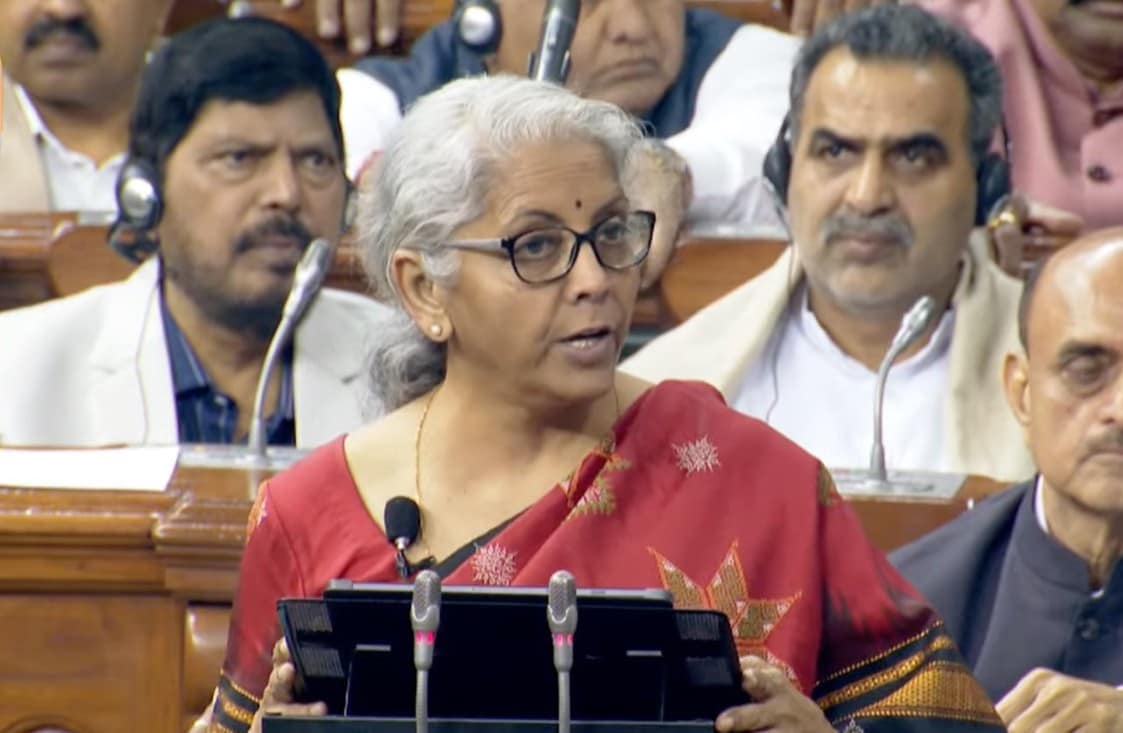
Finance Minister Nirmala Sitharaman is set to present the vote-on-account and the interim budget on Feb. 1, before the impending general elections scheduled later this year.
Among the major suggestions, the CII wishes to move the Goods and Services Tax to a three-tier rate structure—with a low rate for essentials, a standard one for most goods and a high rate for luxury and demerit goods.
The complexity in payment exists because of different tiers and therefore, the simple focus is to get the three-tier structure, which will enable easy usage and remove all ambiguities in the GST system, R Dinesh, president of CII, said in an interview with NDTV Profit.
"I don't think there is any need to tinker with the system in itself. It is three tiers that we recommend, which will make it easy to use and utilise," he said.
In terms of subsidies, CII President Designate Sanjiv Puri said that it is more about sharper targeting and better instruments to provide support to those who need it. "The largest point is that better targeting will bring in efficiencies and better instruments of targeting will also bring in efficiency."
India is in a very sweet spot, both from the geopolitical and economic sides, according to Dinesh. Capital expenditure by domestic companies is increasing and is aiding the country's growth. "I do believe that the current growth rate is something that is going to mean even more capex." Overseas investment in India is also seeing an uptick, he said.
Dinesh said that the government's PLI scheme has been successful, but added that it should be extended and that there is a greater opportunity to attract even more investment. "To make it more cost-competitive, we need to focus on employment generation sectors like logistics, tourism and health."
Key Recommendations From CII
A graded roadmap is needed to be strategised to shift duty slabs to a competitive level over a period of time.
Provisions of customs law should be further simplified and the desired clarifications should be issued for ease of compliance.
Other categories under the tariff schedule need to be expanded to eight-digit classification codes.
A robust and automated escalation of grievance mechanisms should be put in place. An effective dispute resolution scheme should be introduced.
API connectivity should be used for uploading data schema for bill of entry or shipping bill preparation, collating the Import General Manifest details filed by the shipping line from the ICEGATE (Indian Customs Electronic Commerce/Electronic Data Interchange Gateway), and initiating payment of the customs duty.
Widening the scope of GST—petroleum products, aviation turbine fuel, natural gas, and electricity should be subsumed under it for providing a seamless flow of input tax credits.
The National Authority of Advance Ruling under GST should be set up on priority.
Watch the full video here:

-
High US Salaries, No Green Card Certainty: The Financial Calculation Facing Indian H-1B Families

The suspension of PERM processing at eight technology employers does not cancel existing H-1B visas. What it does is force a question many Indian families have been avoiding: is the US salary worth tying your career and family plans to one employer?
-
Swiggy vs Eternal: Food Delivery's Two Rivals Are No Longer In The Same Race
Eternal is building a private AI assistant, dark.ai. Swiggy is still working out how to make Instamart pay, with an operating loss of Rs 895 crore in the July-September quarter while Blinkit stayed profitable.
-
Where You Live Shapes How You Get To Work | The Reason Why
Two-wheelers are the most popular way to get to work in India, accounting for nearly 43% of workplace commutes.
-
Unhedged Position: Can India See An Indonesia-Style Time Correction?
The Nifty is trading below levels it first clocked in 2024. Is there, then, as I have suggested in the headline, potential that the current time correction drags on painfully for the next three-five, even ten years?
-
Navigating Friction And Energy Realities: An Analysis Of Marco Rubio's October Visit To India
Occurring at a critical juncture marked by stalled trade negotiations and escalating geopolitical pressures over global energy supplies, the visit offers a profound window into modern US-India relations.
-
India Exports Capital. Why Not Export Trusteeship?
The big question, then, is whether India can build an institution that global borrowers, investors, banks, and lawyers can trust, even without an Indian connection.
-
France's Economy & Politics Are In Crisis | The Reason Why
Let's look at how the French economy and politics evolved under Nicolas Sarkozy, Franois Hollande and Emmanuel Macron.
-
You May Inherit The Business. You Must Earn Its Credibility.
Succession tests the founder's ability to share authority as much as it tests the next generation's readiness to assume it.
-
Signing Deals Is One Thing; Making Them Work Is Another | The Week In Whys
Sometimes, things don't turn out as planned. Indian companies have lost some bids to rivals, some projects won't produce until 2030.
-
FOMC Wall, PERM Suspension, Hospital Stocks | Talking Points This Week
A PERM suspension would directly affect green-card sponsorship rather than H-1B visas, so the near-term earnings impact could remain relatively limited. The key question is whether this marks a new phase in US scrutiny of Indian IT.









