Budget 2020: Don’t Give Us Tax And Fiscal Sops, Just Give Us TRUST
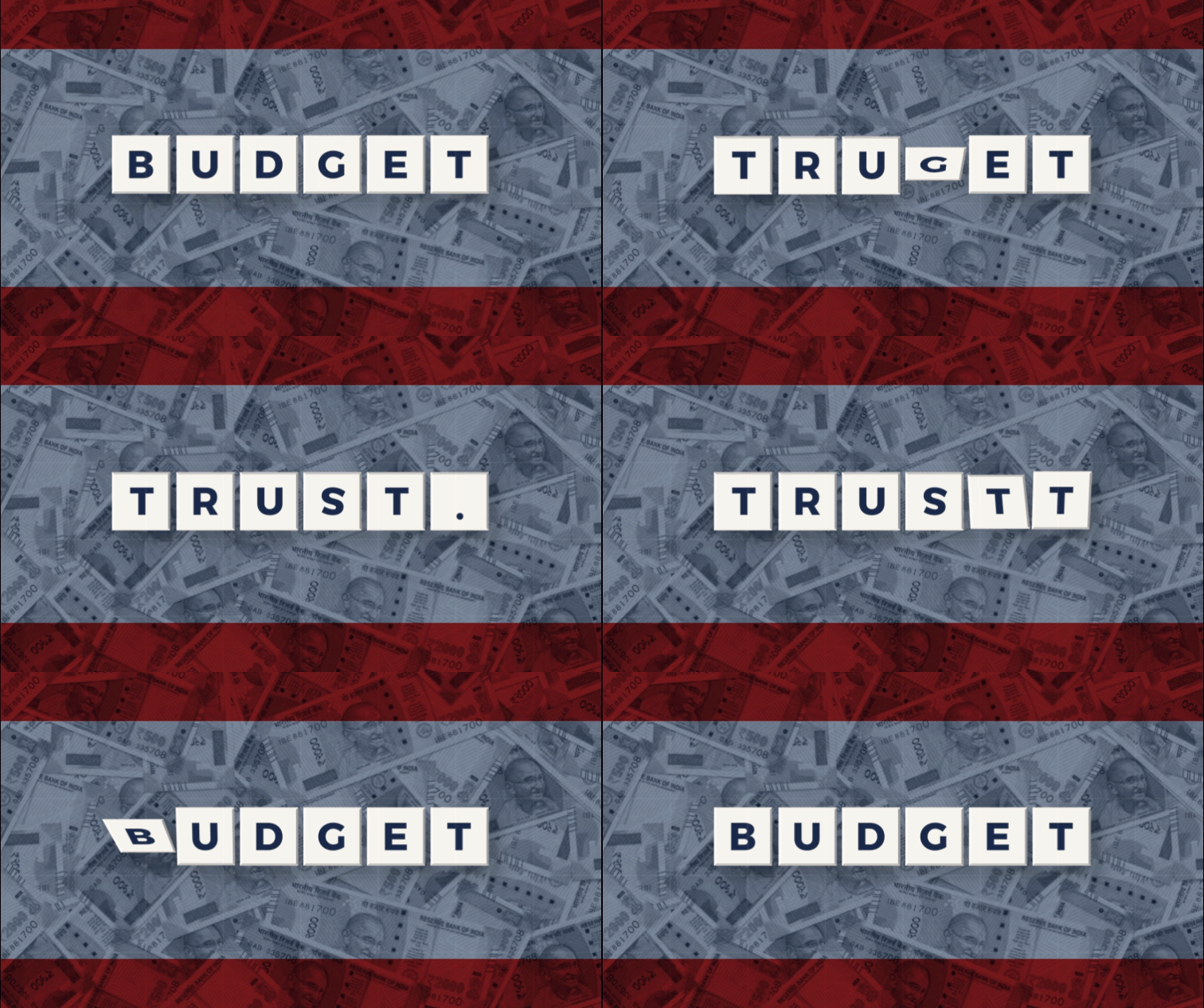
It's a familiar cacophony. Cut taxes. Invert the inverted duty structure. Control the fiscal deficit. Be honest about your arithmetic. Abolish equity taxes. Step up government expenditure, the fisc be damned. Bring back investment allowance. Slap inheritance taxes... And on it goes, a laundry list of standard policy tactics which could revive India's economy.

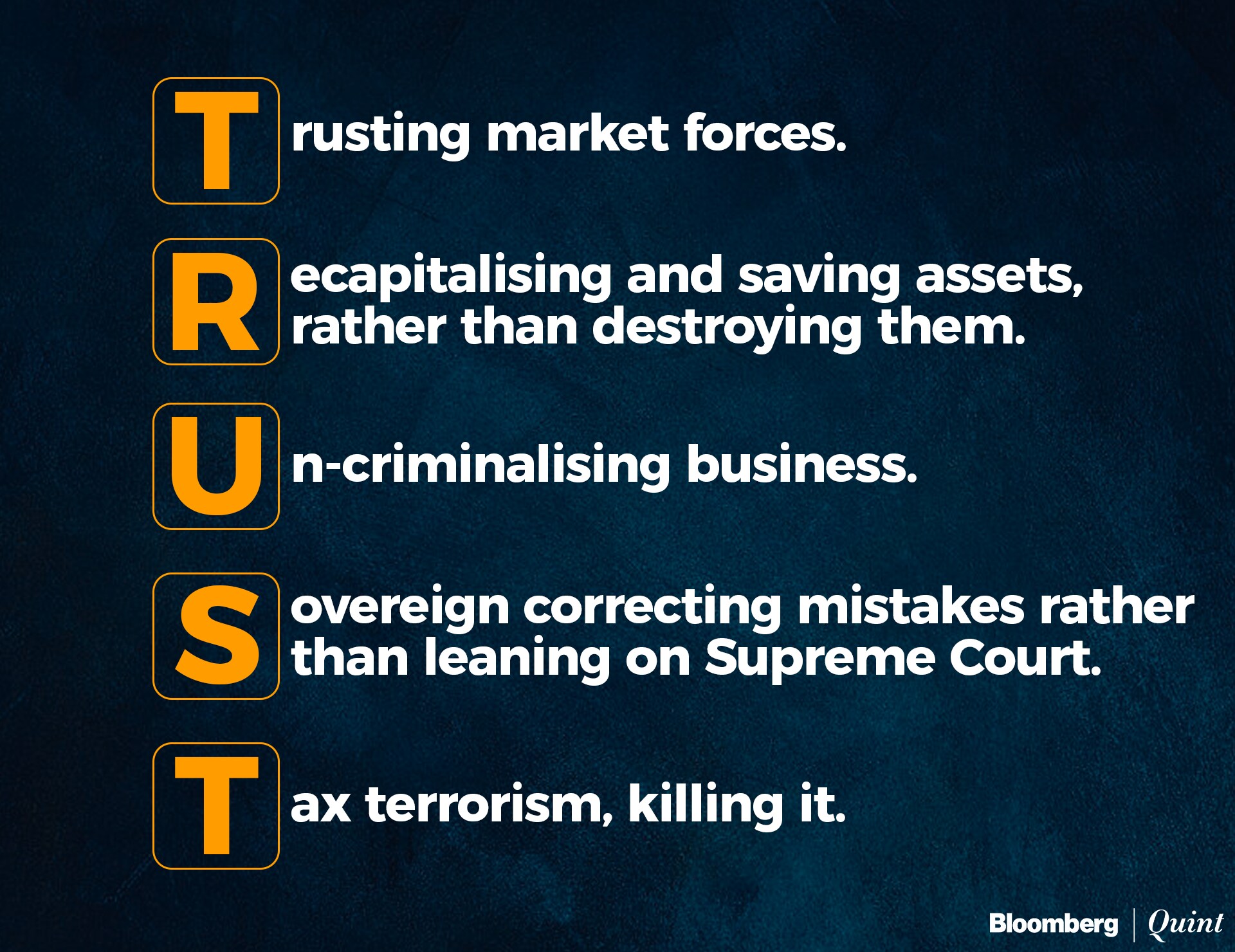
T … For Trusting Market Forces
India's bureaucracy has always been deeply suspicious of well-regulated markets. Which is why they love to micro-manage outcomes; except this time, their quest has become maniacal. Sample these ‘beauties'.
There is a monstrosity called the Anti-Profiteering Authority. No, I am not kidding, it exists and is called exactly that, in a free enterprise economy! Its mandate is to ensure that “super-profits” created by the new GST regime are “disgorged” from corporations. Can you believe that? Can government inspectors really calculate the ‘super profits' made by companies operating in free markets?
- What's the interest rate to be charged on consumer credit?
- How do you account for surplus employees on the bench?
- How much of brand advertising is for current sales (an expense), and how much to create future customers (strictly, an investment).
A million such questions are irresolvable, ab initio. But the consequences are predictable: strange penalties, exorbitant legal fees, extortion, and corruption.
On the other hand, if you create truly competitive markets, ‘super-profits' will vanish on their own; so, when will our policymakers understand that?
Now see the mess they've created in our e-commerce policy. Our bureaucrats have invented a fiction that only they are naive enough to believe in. It's grandly called the “marketplace model”. Under that, foreign players like Amazon and Walmart can't sell directly to consumers, but only provide a trading platform for “third-parties” in which they are allowed a maximum equity stake of 26 percent. This is being done to curb the foreigners' ‘evil' intentions. Yet these giants offer massive freebies and discounts, in front of our credulous eyes. And we threaten to take “coercive” action every day, all in the name of protecting small/local kirana stores. But in the same breath, we create ‘favourable' policies for big Indian capital to annihilate the foreigners and locals, alike. Somehow, that is ‘noble'!
The next one is my favourite. We've allowed free pricing of energy, including oil, but we control entertainment tariffs.
Believe it or not, but TRAI mandates how entertainment television will be priced and bundled!
And we can't make up our minds on whether pharma prices should be free, controlled, capped or some mishmash, even as critical drugs are held back by global producers.
Also, we love to zig-zag between banning, re-banning, and re-re-banning. In the 1990s, unlisted Indian companies could not float overseas; in the early 2000s, they were allowed; then in the mid-2000s, they were banned again; now I understand they are going to be allowed again! Likewise with put/call options for overseas investors. And with dividend distribution taxes. And with long-term capital gains taxes on listed equity shares.
A million more examples could prove how consistently ludicrous our policymakers are.
R … For Recapitalising, Not Destroying, Assets
Our beleaguered economy had barely begun to recover from the demonetisation shock when we delivered the KO (aka knockout) punch – we allowed one systemically important asset after another to go bankrupt when we should have rescued each one of them. It began with IL&FS, but then spiraled into DHFL, other real estate companies, Jet Airways, PMC Bank and what not. I've been writing and shouting until I've gone blue in the face. Reclaim the asset, clobber the wrong-doer.
We also should have aggressively recapitalised our banks via an innovative, deeply discounted rights issue, rather than cloned the outdated ‘recapitalisation bonds' from the crisis-ridden 1990s. That alone would have doubled the impact of each recapitalising rupee infused by the Modi government.
Unfortunately, we stuck to the coattails of an unimaginative bureaucracy.
U … For ‘Un-Criminalising' Business
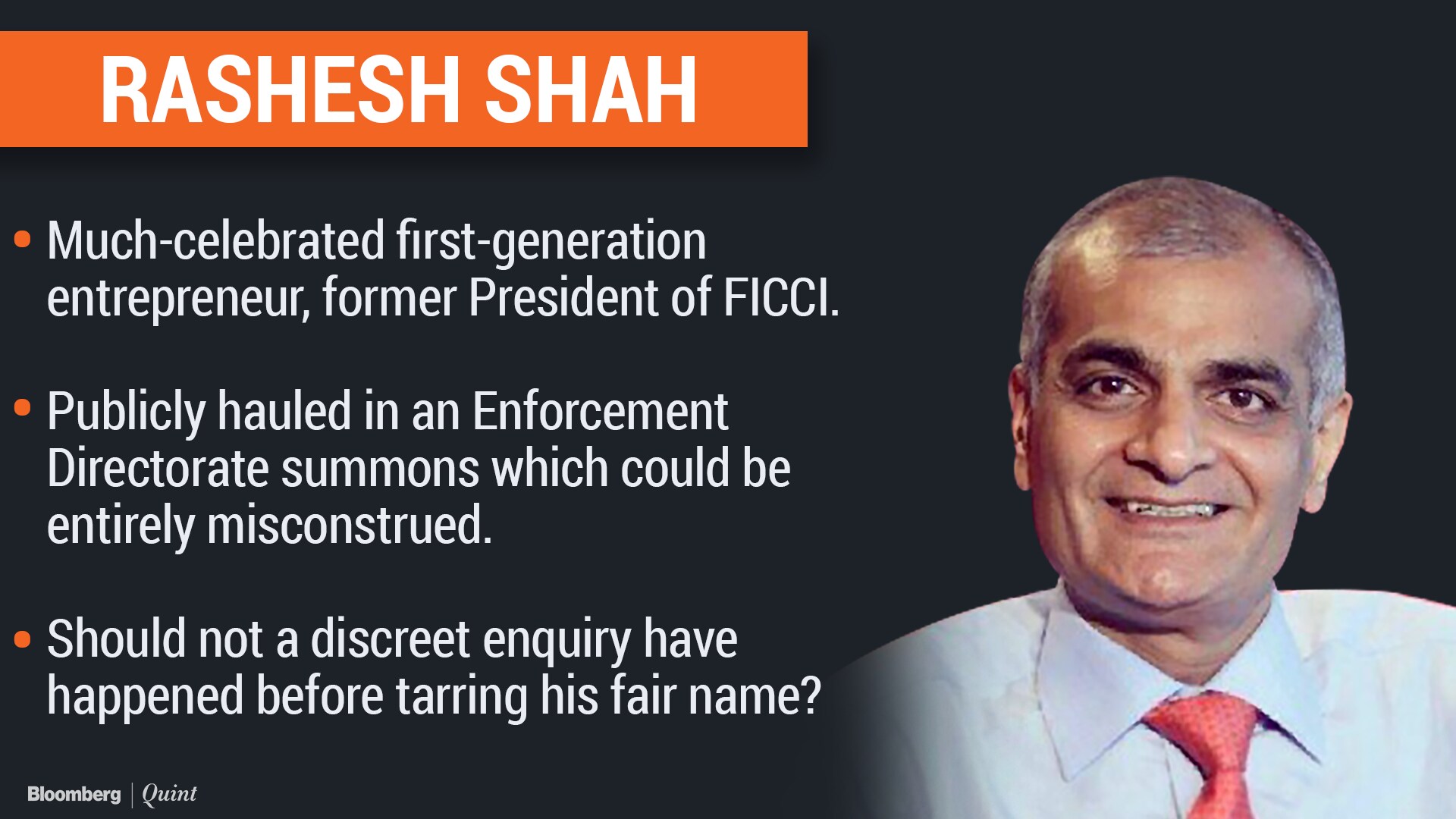
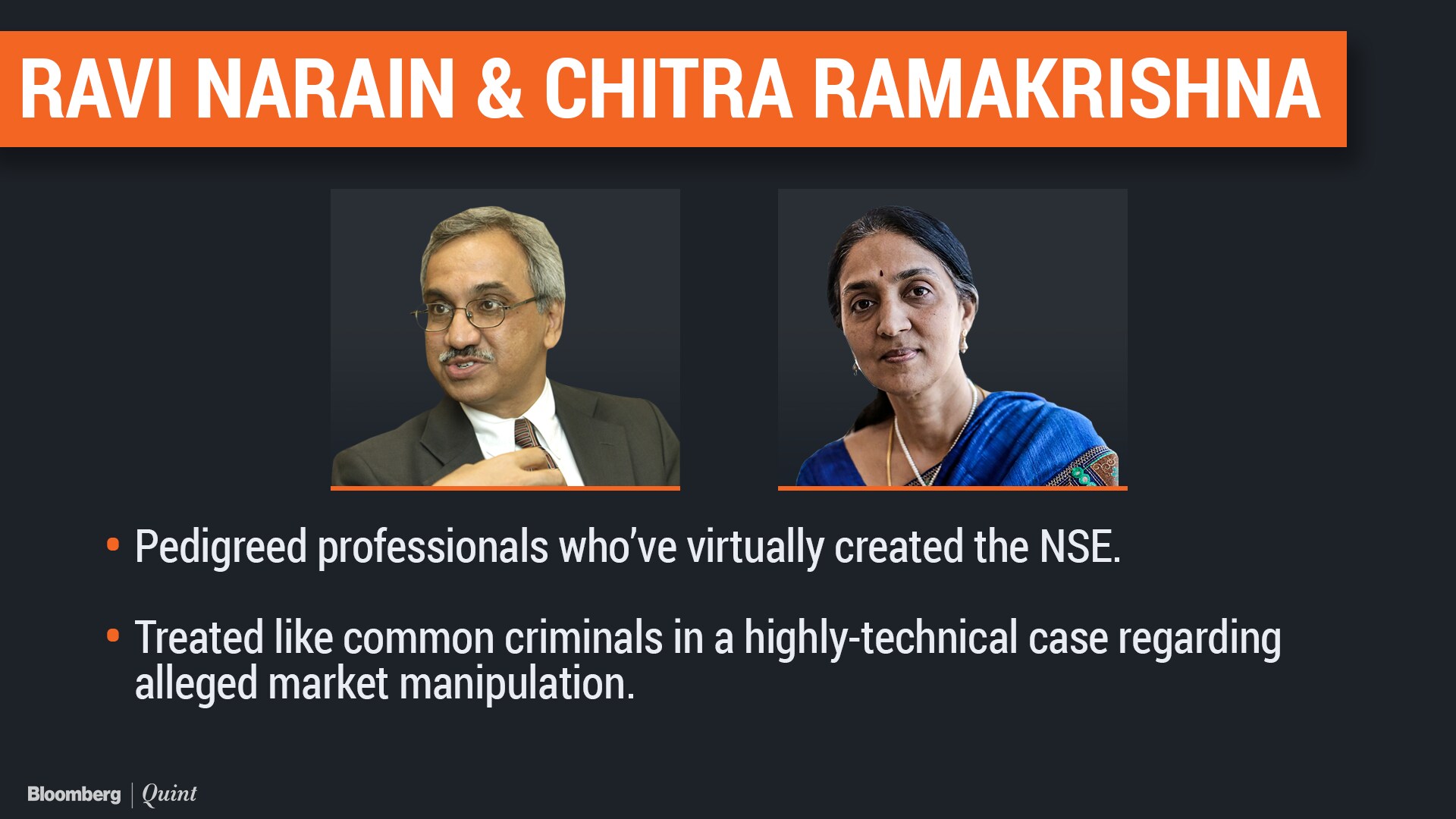
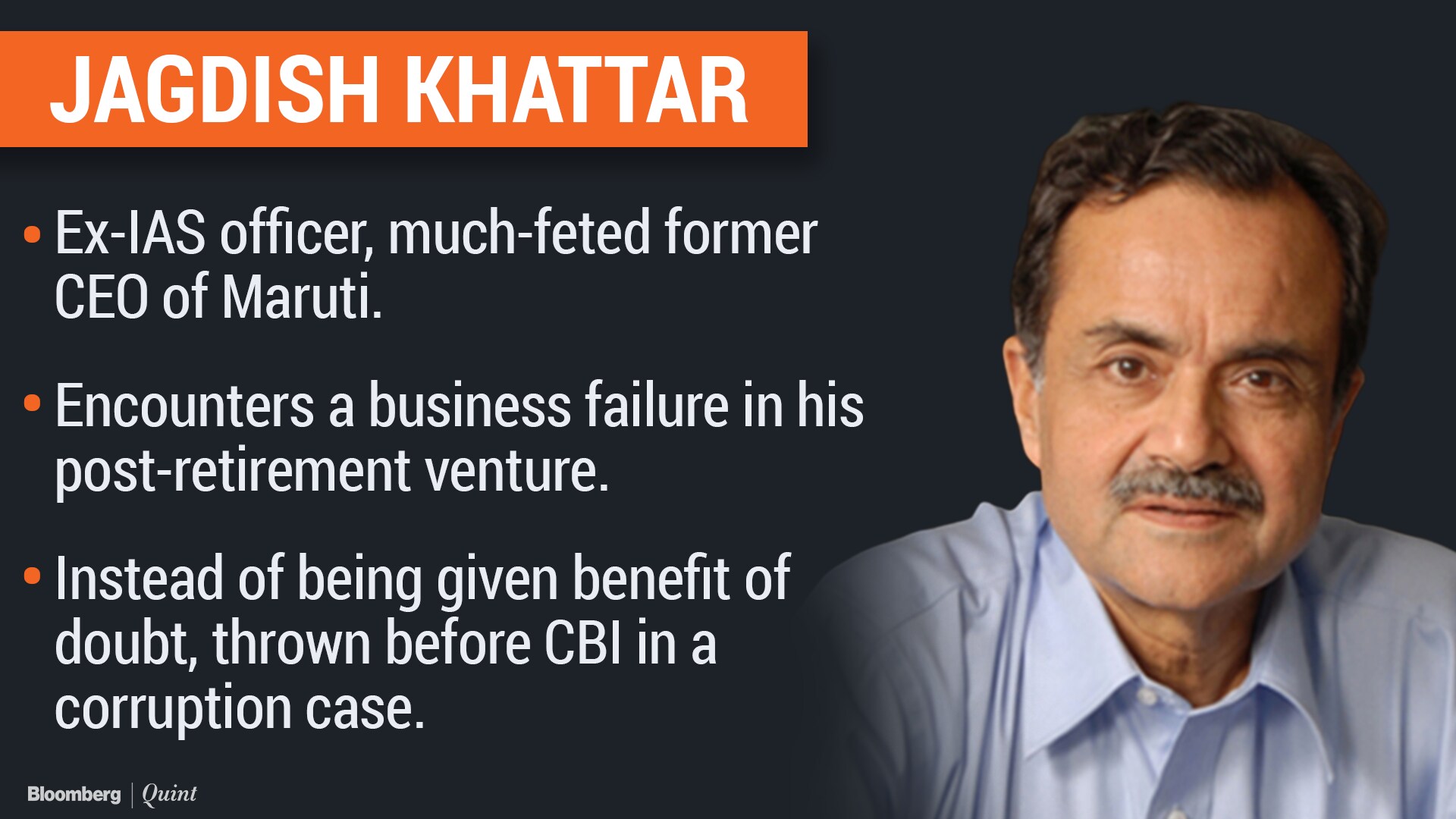
The ‘criminalisation' of business has now become quite outrageous. Therefore, it has also had the most harmful impact on India's economy. Here are just a tiny number of illustrative examples from within an embarrassment of riches.
S … For The Sovereign, Not Supreme Court, Making Economic Policy
The incredibly sorry spectacle spawned by the Supreme Court's order on the adjusted gross revenue penalties on telecom licensees makes the perfect case here. First, the government frames an inherently ambiguous rule, which could include such non-operating income like rent and foreign exchange gains, in calculating the shareable operating revenue of a telco. When the Supreme Court upholds it, inflicting a Rs 1.50 lakh crore levy and threatening the viability of critical telcos, the government, instead of exercising its sovereign duty to ‘clean up' policy mistakes, goes quiet.
Worse, when an unintended impact of nearly Rs 3 lakh crore on non-telecom firms, like oil and gas companies and cable operators holding telecom licenses is revealed, the government, instead of quickly dousing this egregious error, fiddles while New Delhi (not Rome) burns.
T … Finally, For Tax Terrorism
This has been so copiously documented that I need not give any evidence in support. It's perhaps the single most important reason why India's economy is staggering, lurching like a boxer who has been battered to a pulp.
To conclude then, at least I will not be watching for the odd tax cut in Finance Minister Nirmala Sitharaman's budget on the first day of February 2020.
Instead, I will remain solely focused on what her government does in creating TRUST.
Raghav Bahl is the co-founder and chairman of Quintillion Media, including BloombergQuint. He is the author of three books, viz ‘Superpower?: The Amazing Race Between China's Hare and India's Tortoise', ‘Super Economies: America, India, China & The Future Of The World', and ‘Super Century: What India Must Do to Rise by 2050'.

-
Navigating Energy Crossroads: S Jaishankar's Call For Diversified Supply Chains At G20 Ministerial Meeting

As geopolitical fault lines continue to test maritime trade routes and commodity flows, Jaishankar's message remains pertinent: true economic resilience requires open markets, protected transit lines, and a genuine commitment to multilateral cooperation rather than coercion.
-
Indians Are Travelling, But Not Every Journey Is A Holiday | The Week In Whys
Pilgrims, patients and working women are the real travellers, and the system hasn't quite caught up with them.
-
Getting To Work Costs Women More | The Reason Why
It is not just about women paying more than men. It is about women paying much more in cities than in villages.
-
AI Bias In Investing Cannot Be Eliminated, But It Can Be Governed
Framing is a particularly important example as identical financial information presented in terms of gains rather than losses can lead an LLM to reach a different assessment.
-
Joining The Dots | Dark Skies, Steady Diya: Why Hope Holds This Diwali
With war, a weak rupee and foreign outflows weighing on sentiment, policymakers at the NDTV World Summit and market veterans at NDTV Profit Ignite: Diwali Edition offered the same advice: stay invested and filter out the noise.
-
The Curious Case of Equitas Small Finance Bank And A CEO Who Quit For Stock
PN Vasudevan believes persistent investor concerns over a perceived conflict of interest had become a governance overhang on Equitas Small Finance Bank's stock, even as the lender improved profitability and asset quality.
-
Talking Points This Week: AI Cash Burn, A Tiger Comeback And An India That Still Finds Its Own Path
India is not immune to higher oil or tighter global liquidity, yet its earnings base is broader, its domestic policy levers are still available.
-
Foreign Investors Own Half Of HDFC Bank and ICICI Bank. An LTCG Cut Could Matter Most Here
Foreign portfolio investors have US$115 billion parked in HDFC Bank, ICICI Bank. If the government cuts long-term capital gains tax, Jefferies says returning foreign money could land here first.
-
'Never Seen This Level Of Negativity': Sandeep Tandon Says The Next Rally May Be Closer Than You Think
Veteran investor Sandeep Tandon says foreign selling is easing, large-caps are due a comeback and mid-caps are crowded, while he turns positive on gold, power and pharma this Diwali.










