US, China Agree To Temporary Tariff Reduction For 90 Days In Geneva Trade Talks
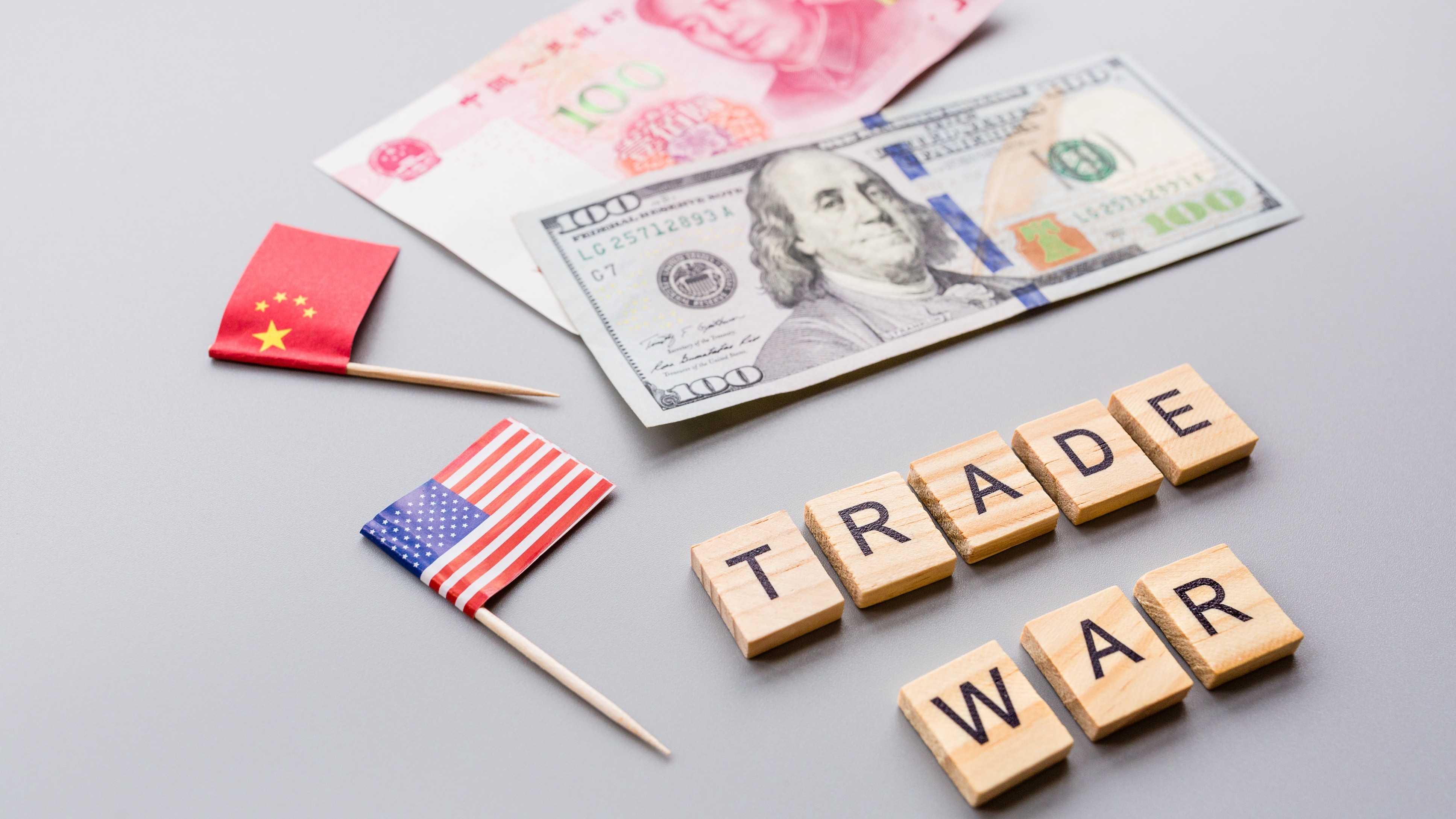
The United States and China have agreed to suspend tariffs on some of each other's goods for 90 days following talks in Geneva. The suspension applies to certain tariffs previously imposed in April 2025 and will take effect by May 14.
The agreement lowered the total tariff rate on targeted goods from 145% to 30%. Both countries will retain a 10% ad valorem rate while suspending 24 percentage points of their additional tariffs. China will take steps to withdraw tariffs and suspend or eliminate non-tariff countermeasures imposed since April 2.
The announcement marks a move to ease the tariff war, which has triggered a sharp decline in transpacific trade. The move also sent Chinese stocks soaring and Dow futures surging by more than 900 points.
The agreement also came under the administration of President Donald Trump, who previously declared a national emergency over the US trade deficit of $1.2 trillion. The White House had imposed tariffs as part of its response.
The trade agreement followed recent discussions between both governments and reflects an effort to maintain open communication and economic cooperation. The two sides will set up a bilateral mechanism to continue dialogue on trade issues. China's Vice Premier He Lifeng, US Treasury Secretary Scott Bessent, and US Trade Representative Jamieson Greer led the discussions, which took place in Geneva, Switzerland.
“We made substantial progress,” Bessent said. “The talks were productive.” Greer added, “This was a constructive two days. The speed of the agreement suggests the differences may not have been as large as initially thought.”

-
Love, Sex Aur Dhokha: The Audacious Plot To Spy On Jensen Huang

A Taipei dinner, a Singapore chip buyer and a suspected Chinese asset: inside the alleged spy operation that got close to NVIDIA's Jensen Huang.
-
Ten Things I Learnt This Samvat
Patience can be a trap. Cheap stocks can stay cheap. Leverage can wipe you out. What did Samvat 2082 teach us? Niraj Shah writes on 10 lessons from the year gone by.
-
Talking Points This Week: Tech Nerves, FII Buying, And A Faraway Banking Shock
The global markets are not shining this Diwali. The exception in the large markets is, India.
-
Midterm Rally Lasted A Day. The Hard Reality Of A Divided US May Last Two Years | Opinion
Between a contested AI boom, a debt ceiling that arrives in 2027 and a president with every incentive to act alone, the next two years may prove more volatile than the first day's rally suggests.
-
Blue Wave Will Derail the AI Trade but Won't Dismantle the AI Era | Unhedged Position
The Democrats' sweep of the US Congress will see politics collide with economic forces both over the long and short term.
-
It's Time To Take The GST Council's Bet On Trust Global
Payment records can prove India's services exports, and clear, proportionate rules can bring foreign digital sellers into the tax net.
-
Opinion | India at 38: From Innovation Overperformer to Innovation Powerhouse
India now has 453 VC-backed deep science startups, 18 of them late-stage, after 117 percent growth since 2020. Laurus Labs, at USD 9.3 billion, is the most valuable deep science company in any middle-income economy outside China.
-
Navigating Energy Crossroads: S Jaishankar's Call For Diversified Supply Chains At G20 Ministerial Meeting
As geopolitical fault lines continue to test maritime trade routes and commodity flows, Jaishankar's message remains pertinent: true economic resilience requires open markets, protected transit lines, and a genuine commitment to multilateral cooperation rather than coercion.
-
Indians Are Travelling, But Not Every Journey Is A Holiday | The Week In Whys
Pilgrims, patients and working women are the real travellers, and the system hasn't quite caught up with them.









