China Banks Increase Consumer Loan Rates To Protect Margins

Chinese banks have begun raising consumer loan interest rates just about two weeks after cutting them to record lows, underscoring the challenges of lowering funding costs amid sustained pressure on margins.
Lenders including China Merchants Bank Co. and Bank of Jiangsu Co., which previously engaged in a price war by offering consumer loan rates as low as 2.58% annually, have now adjusted their rates to no less than 3%, according to online advertisements.
Major banks such as Industrial & Commercial Bank of China Ltd. and Agricultural Bank of China Ltd. will also implement the 3% floor rate starting in April, according to ads. These rates were as high as 10% about two years ago.
It remains unclear whether banks received guidance from regulators to make the shift. The record-low loan rates risk further squeezing the sector's net interest margin, which hit rock bottom of 1.52% at end of last year. Banks have been urged to expand the issuance of personal consumer loans while ensuring reasonable terms including credit limits and interest rates.
Jacqueline Rong, chief China economist at BNP Paribas, said authorities might have instructed the banks to lift consumer loan rates. “We think regulators aim to promote the fair pricing of credit risk, given the non-performing loan ratio of consumer loans have been picking up.”
The spread between consumer loans and outstanding mortgage rates might also encourage some borrowers to use cheaper consumer credit to prepay mortgages, she said, further hurting banks' net interest income.
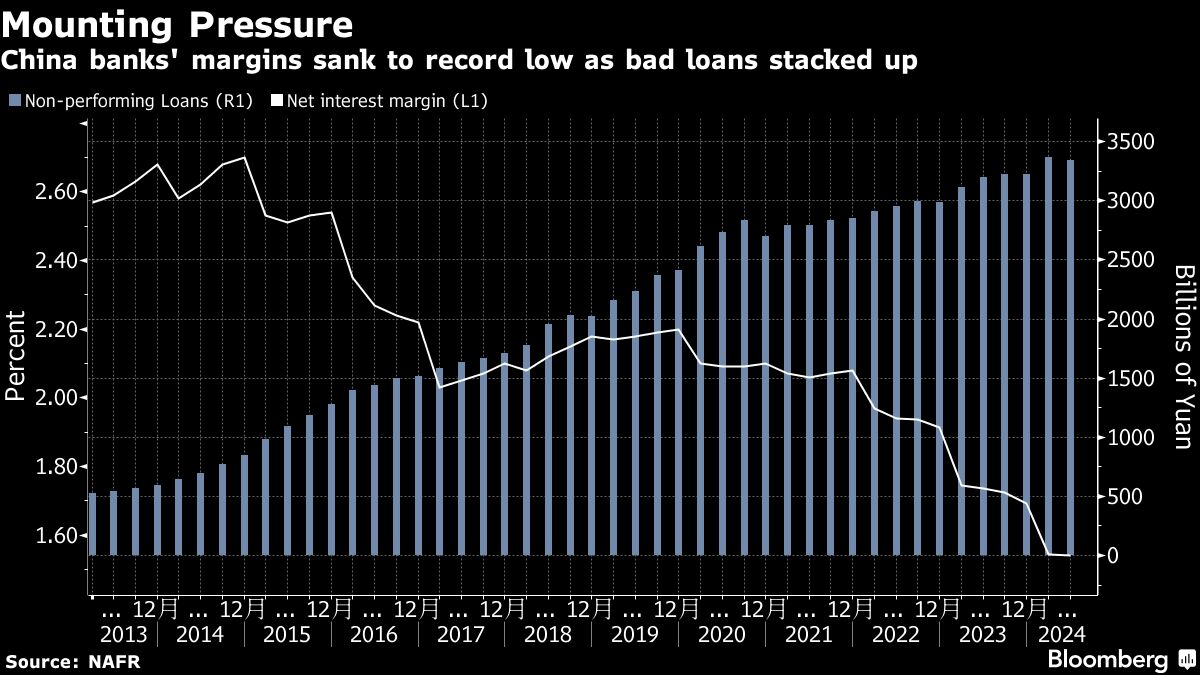
The consumer loan rate price war means lenders will have to snatch existing consumer loan borrowers from their peers amid an unhealthy competition, bank officials familiar with the matter said earlier, adding the effectiveness in boosting consumption remains to be seen.
Beijing is seeking to ignite consumer spending and stoke local demand to help make the long-struggling economy less reliant on trade and exports. Still, boosting consumption has been a challenge since the end of the pandemic. Retail sales have been anemic, while consumer prices fell into deflation in February for the first time in over a year.

-
Talking Points This Week: Tech Nerves, FII Buying, And A Faraway Banking Shock

The global markets are not shining this Diwali. The exception in the large markets is, India.
-
Midterm Rally Lasted A Day. The Hard Reality Of A Divided US May Last Two Years | Opinion
Between a contested AI boom, a debt ceiling that arrives in 2027 and a president with every incentive to act alone, the next two years may prove more volatile than the first day's rally suggests.
-
Blue Wave Will Derail the AI Trade but Won't Dismantle the AI Era | Unhedged Position
The Democrats' sweep of the US Congress will see politics collide with economic forces both over the long and short term.
-
It's Time To Take The GST Council's Bet On Trust Global
Payment records can prove India's services exports, and clear, proportionate rules can bring foreign digital sellers into the tax net.
-
Opinion | India at 38: From Innovation Overperformer to Innovation Powerhouse
India now has 453 VC-backed deep science startups, 18 of them late-stage, after 117 percent growth since 2020. Laurus Labs, at USD 9.3 billion, is the most valuable deep science company in any middle-income economy outside China.
-
Navigating Energy Crossroads: S Jaishankar's Call For Diversified Supply Chains At G20 Ministerial Meeting
As geopolitical fault lines continue to test maritime trade routes and commodity flows, Jaishankar's message remains pertinent: true economic resilience requires open markets, protected transit lines, and a genuine commitment to multilateral cooperation rather than coercion.
-
Indians Are Travelling, But Not Every Journey Is A Holiday | The Week In Whys
Pilgrims, patients and working women are the real travellers, and the system hasn't quite caught up with them.
-
Getting To Work Costs Women More | The Reason Why
It is not just about women paying more than men. It is about women paying much more in cities than in villages.
-
AI Bias In Investing Cannot Be Eliminated, But It Can Be Governed
Framing is a particularly important example as identical financial information presented in terms of gains rather than losses can lead an LLM to reach a different assessment.









