Zara Owner Inditex And Zalando Scrap Over Plastic Bags
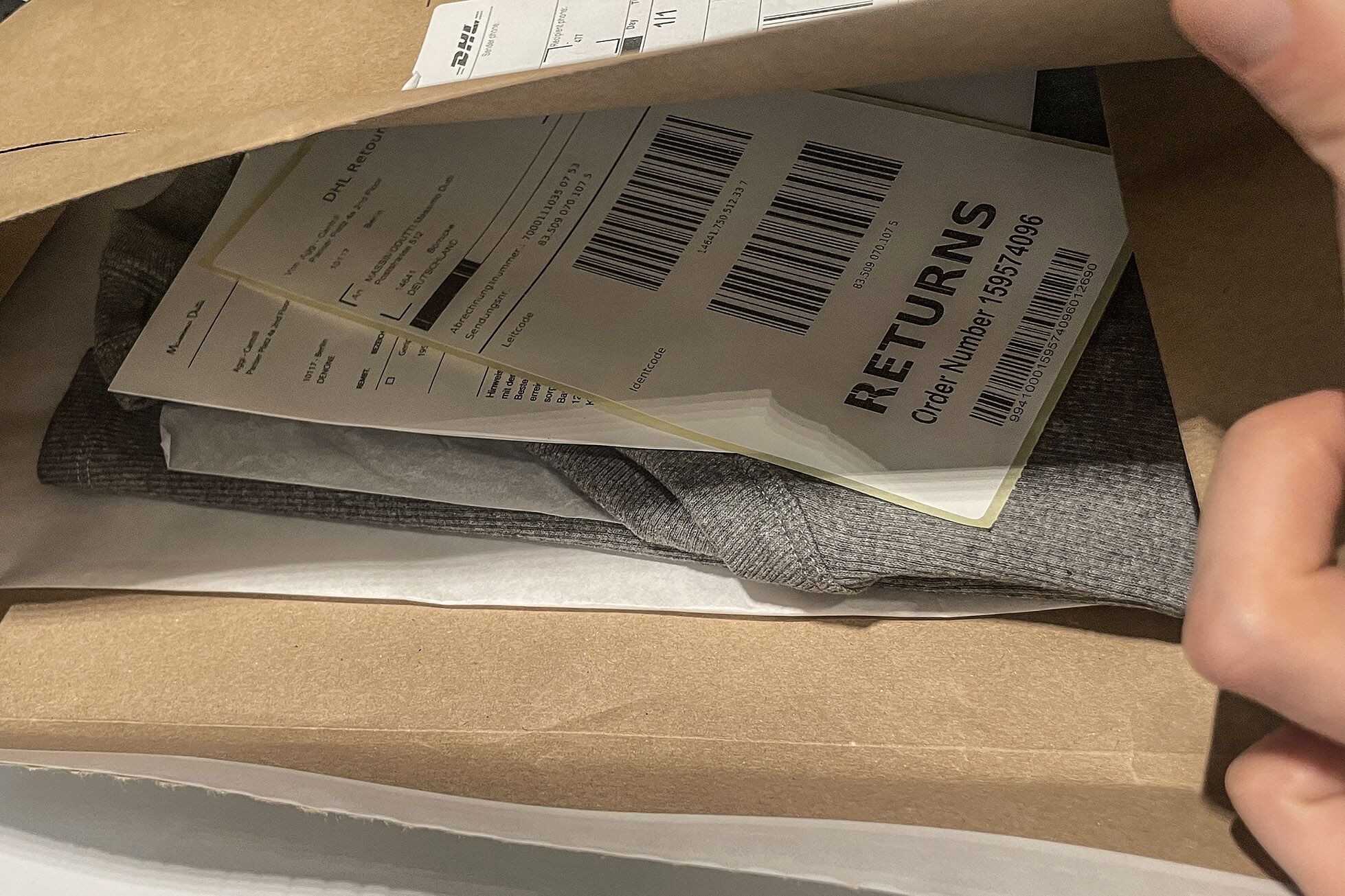
(Bloomberg) -- Inditex SA's drive to tackle single-use plastic packaging in the supply chain is being put to the test as German online fashion retailer Zalando SE refuses a demand to remove the material during the final sale to consumers.
The owner of the Zara chain has requested that Zalando replace the plastic bags that clothes are delivered in with other packaging before sending to customers, but Europe's largest e-commerce group has decided not to do so, according to people who asked not to be named because the matter is not public.
In a back-and-forth that spanned over a year, Zalando maintained it could not run its logistics operations without the plastic bags, the people said. The e-commerce company considers that replacing them with cardboard or paper alternatives won't reduce the packaging's impact, the people said.

Zalando sells many brands and it's not feasible for the company to adjust its internal processes for each one, a spokesperson for Zalando told Bloomberg News.
A spokesperson for Inditex said the firm was working internally and with its partners to meet a goal to eliminate single-use plastics to customers by the end of this financial year. They said the level of compliance with the target was 95% at group level.
Inditex is one of Zalando's biggest partners as the e-commerce site sells clothes from its Massimo Dutti, Oysho, Bershka and Pull & Bear brands.
Four years ago, Arteixo-based Inditex committed to phasing out all single-use plastic to customers by 2023. That includes removing plastic hangers, stickers and perfume wrappers, as well as the clear plastic packaging used to protect orders, known in the industry as polybags.

Retailers worldwide rely on polybags to protect garments from humidity and stains as they flow through the supply chain from the factory to the store or customers' homes. The fashion industry produces around 180 billion single-use plastic polybags each year to package garments, according to industry group Fashion For Good. While most are technically recyclable, the majority are sent to landfills or are incinerated.
Inditex, like many other apparel sellers, removes the factory-standard plastic bags in stores and warehouses, where it repacks the clothes in other materials, such as recycled cardboard or paper, before sending to customers.
But polybags are still present behind the scenes and alternative options are very limited. Most retailers keep using them because they figure that damaged clothing would have a bigger environmental impact than a thin plastic bag.
Zalando said it's testing different options to solve the industry wide problem in the long-term, such as folding the clothes differently and reducing the thickness of plastic bags.
Zalando said its approach revolves around developing solutions that prioritize longevity, minimizing impacts from materials and waste. For that reason, the company is evaluating ways to reuse polybags.
--With assistance from Agatha Cantrill and Gem Atkinson.
More stories like this are available on bloomberg.com
©2023 Bloomberg L.P.

-
Talking Points This Week: Tech Nerves, FII Buying, And A Faraway Banking Shock

The global markets are not shining this Diwali. The exception in the large markets is, India.
-
Midterm Rally Lasted A Day. The Hard Reality Of A Divided US May Last Two Years | Opinion
Between a contested AI boom, a debt ceiling that arrives in 2027 and a president with every incentive to act alone, the next two years may prove more volatile than the first day's rally suggests.
-
Blue Wave Will Derail the AI Trade but Won't Dismantle the AI Era | Unhedged Position
The Democrats' sweep of the US Congress will see politics collide with economic forces both over the long and short term.
-
It's Time To Take The GST Council's Bet On Trust Global
Payment records can prove India's services exports, and clear, proportionate rules can bring foreign digital sellers into the tax net.
-
Opinion | India at 38: From Innovation Overperformer to Innovation Powerhouse
India now has 453 VC-backed deep science startups, 18 of them late-stage, after 117 percent growth since 2020. Laurus Labs, at USD 9.3 billion, is the most valuable deep science company in any middle-income economy outside China.
-
Navigating Energy Crossroads: S Jaishankar's Call For Diversified Supply Chains At G20 Ministerial Meeting
As geopolitical fault lines continue to test maritime trade routes and commodity flows, Jaishankar's message remains pertinent: true economic resilience requires open markets, protected transit lines, and a genuine commitment to multilateral cooperation rather than coercion.
-
Indians Are Travelling, But Not Every Journey Is A Holiday | The Week In Whys
Pilgrims, patients and working women are the real travellers, and the system hasn't quite caught up with them.
-
Getting To Work Costs Women More | The Reason Why
It is not just about women paying more than men. It is about women paying much more in cities than in villages.
-
AI Bias In Investing Cannot Be Eliminated, But It Can Be Governed
Framing is a particularly important example as identical financial information presented in terms of gains rather than losses can lead an LLM to reach a different assessment.









